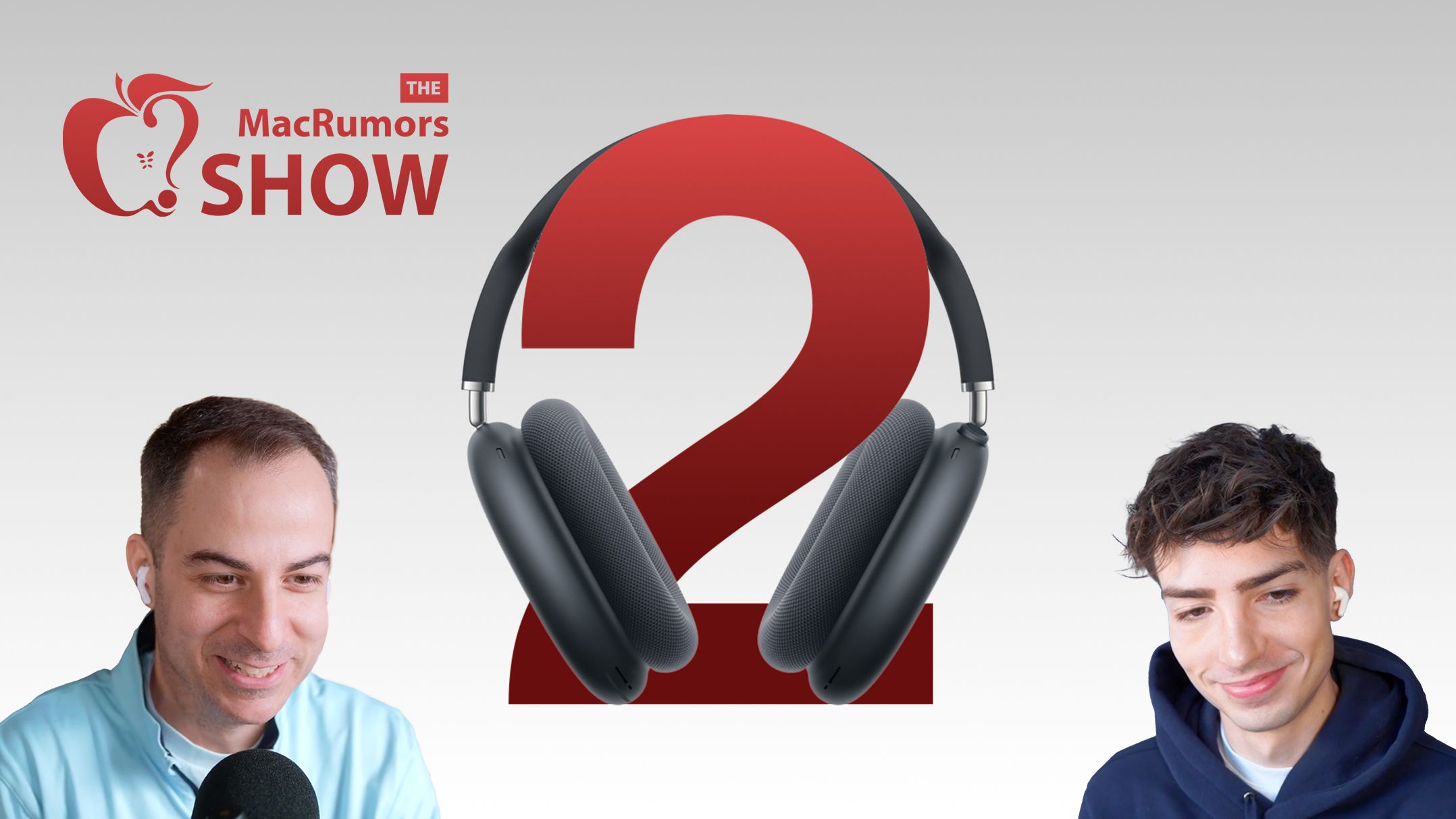
Apple announced the AirPods Max 2, unchanged in price at $549 and available to order March 25 in the U.S. with a launch in early April. Key upgrades center on the new H2 chip delivering up to 1.5x better Active Noise Cancellation, Bluetooth 5.3 (lower latency), a high dynamic range amplifier and refined Spatial Audio, plus AI-driven features (Live Translation, Adaptive Audio, Conversation Awareness, Personalized Volume). Design, materials, Smart Case, and battery life remain unchanged (up to 20 hours with ANC). The changes are incremental product improvements that preserve pricing and positioning, likely supporting demand without creating material margin or pricing shifts.
Apple’s latest headphone refresh is less a standalone revenue swing and more a lever in a multi-year strategy to make audio hardware the on‑ramp for higher-margin services and on‑device AI. Incremental software features increase “engagement density” per device — every additional hour of listening is a sticky vector for subscriptions, in‑ear commerce and on‑device inference that compounds across Apple’s installed base over 12–36 months. Expect the incremental lifetime value (LTV) per active user to rise faster than unit growth; that’s a structural margin story rather than a near‑term unit cycle boost.
Second‑order winners include assembly and precision‑audio suppliers that handle higher BOM complexity and software calibration work, while standalone audio‑SoC vendors face margin pressure as Apple internalizes more of the stack. Retail channel dynamics matter: unchanged price and enclosure mean ASP expansion is limited, so upside flows into services deltas and aftermarket accessories (cases, cables, extended care) where Apple extracts outsized margin. Competing premium headphone makers will be forced into either price promotion or accelerated software feature investment — a squeeze on their already thinner margins.
Near term (days–weeks) the biggest market driver will be sentiment around demand and initial sell‑through; medium term (3–12 months) the signal to watch is measurable uplift in services engagement metrics tied to audio (podcast listening hours, Siri voice queries, translation usage). Tail risks that could reverse sentiment include weak retail sell‑through, supply hiccups at assembly partners, or regulatory scrutiny of bundled AI/Siri features that constrain cross‑device monetization. The consensus is focused on hardware headlines; the contrarian angle is that the real P&L lever is micro‑incremental engagement and services attachment, which the market typically underprices in the first 6–12 months after a device refresh.
AI-powered research, real-time alerts, and portfolio analytics for institutional investors.
Request DemoOverall Sentiment
mildly positive
Sentiment Score
0.25
Ticker Sentiment
