


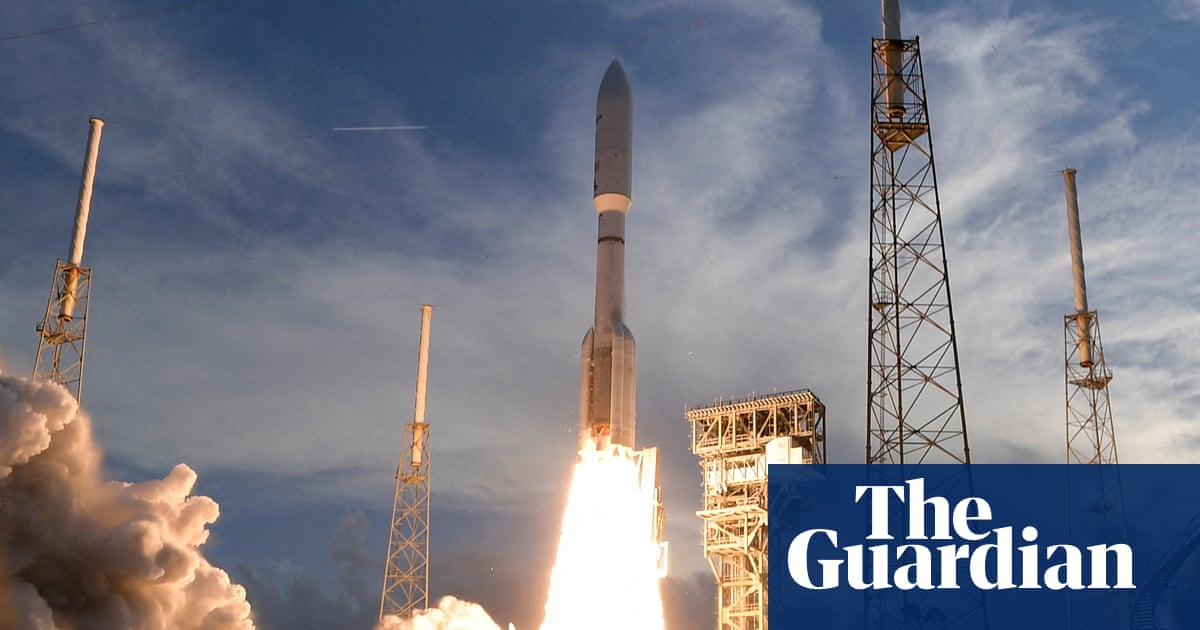
Amazon will acquire Globalstar in an $11.57 billion deal, giving it access to about two dozen satellites and accelerating its challenge to Starlink. Amazon plans to deploy roughly 3,200 low-Earth-orbit satellites by 2029, with about half needed by a July 2026 regulatory deadline; it currently operates more than 200 satellites. The deal is expected to close next year, subject to regulatory approvals and milestone completion, while Apple will continue backing Globalstar’s emergency satellite services.
This is less an immediate cash-earnings story for AMZN and more a strategic land-grab for spectrum, customer acquisition, and regulatory optionality. The most important second-order effect is that Amazon can potentially compress its path to scale by inheriting an existing ground network and installed enterprise relationships, while depriving would-be competitors of a scarce, already-approved asset base. That should also raise the value of every remaining “small-but-cleared” satellite operator as strategic financing exits get repriced into takeover optionality.
For GSAT holders, the headline premium likely understates the embedded milestone risk: the deal is contingent on deployment benchmarks, so the stock should trade as a probability-weighted instrument rather than pure arbitrage. If regulatory or launch slippage emerges over the next 6-12 months, downside can re-open quickly because the asset’s standalone valuation is anchored to a narrow set of contracts and a limited satellite footprint. Apple’s continuing support lowers near-term customer churn risk, but it also likely reduces the chance of a competing sponsor stepping in at a meaningfully higher price.
The underappreciated winner may be the supply chain around launch, terminals, and ground infrastructure rather than the satellites themselves. Amazon’s timetable implies capex pull-forward through 2026, which should create a multi-quarter demand tail for launch providers, RF components, and gateway equipment even if subscriber revenue is back-end loaded. The flip side is that Starlink now has a stronger incentive to defend pricing and accelerate enterprise/government bundle offers, which could pressure service economics across the sector.
Consensus may be overestimating how quickly this becomes a direct AMZN revenue contributor. The more likely near-term payoff is strategic: improved negotiating leverage with regulators, better bargaining power with enterprise customers, and a stronger moat around emergency connectivity and IoT use cases. If the market treats this as a simple bolt-on EPS accretion story, that misses the real option value embedded in control of spectrum-adjacent infrastructure.
AI-powered research, real-time alerts, and portfolio analytics for institutional investors.
Request TrialOverall Sentiment
moderately positive
Sentiment Score
0.62
Ticker Sentiment
