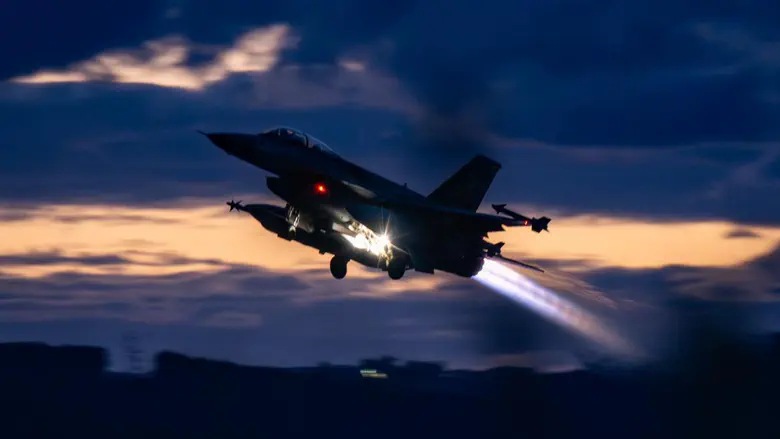
The Israeli Air Force executed wide-scale strikes across western and central Iran, dismantling dozens of ballistic-missile assets including launchers and defensive systems — some targeted while prepared to fire toward Israeli territory — as part of ongoing Operation “Roaring Lion.” For investors, the strikes represent a meaningful escalation in regional military activity that raises geopolitical risk premia, warrants monitoring of energy prices, defense contractors, regional sovereign risk and risk-off flows into safe-haven assets.
Market structure: Immediate winners are large defense primes (LMT, NOC, RTX, GD) and specialty insurers/war-risk underwriters; losers are regional airlines/tourism and any Israeli/Iran-linked supply chains. Pricing power shifts toward defense OEMs and energy-insurers — expect 5–20% re-rating potential in defense stocks if conflict risk persists >30 days, while airline revPAR vulnerability could compress earnings 5–15% in affected carriers over next quarter. Cross-asset effects: safe-haven bids into USD, JPY, gold and USTs (yields down near-term), while crude and shipping insurance rates (TC20/TC2) are the direct commodity/insurance transmission channels.
Risk assessment: Tail risks include closure of the Strait of Hormuz (low probability, high impact — +$20–40/bbl shock), widescale US/Iran escalation, or retaliatory cyberattacks on infrastructure. Time horizons: days = volatility spikes and flight-to-quality; weeks–months = tactical repricing in energy/defense and insurance markets; quarters–years = structural lift in defense budgets (1–3yr) and higher shipping/insurance cost bases. Hidden dependencies: US diplomatic/military posture, Gulf state responses, and re-routing logistics costs; catalysts to watch: Iranian asymmetric retaliation, tanker attacks, or US strikes within 7–30 days.
Trade implications: Favor tactical longs in defense primes and capped crude upside via call spreads while hedging equities with gold/VIX exposure; expect to hold options trades 1–3 months and equities 3–12 months. Relative-value: long defense vs short airline exposure; liquidity and wider vols argue for limited notional and defined-risk structures (spreads, bought calls/puts) rather than naked positions. Entry/exit: act within 48–72 hours for options volatility, scale equity positions over 1–4 weeks as headlines confirm persistence.
Contrarian angles: Consensus may overprice perpetual escalation — historical parallels (2019 Saudi strikes, 2011 Libya) show initial oil/defense spikes often mean-revert within 3–8 weeks absent supply disruptions. Overdone reactions create mispricings: if Brent rallies >15% without tanker disruption, reduce energy call exposure; conversely, a calm outcome in 14–21 days presents buying opportunities in travel and EM cyclicals. Unintended risks include supply-chain delays to defense deliveries and political backlash that could compress margins for contractors in 6–12 months.
AI-powered research, real-time alerts, and portfolio analytics for institutional investors.
Request TrialOverall Sentiment
moderately negative
Sentiment Score
-0.45
