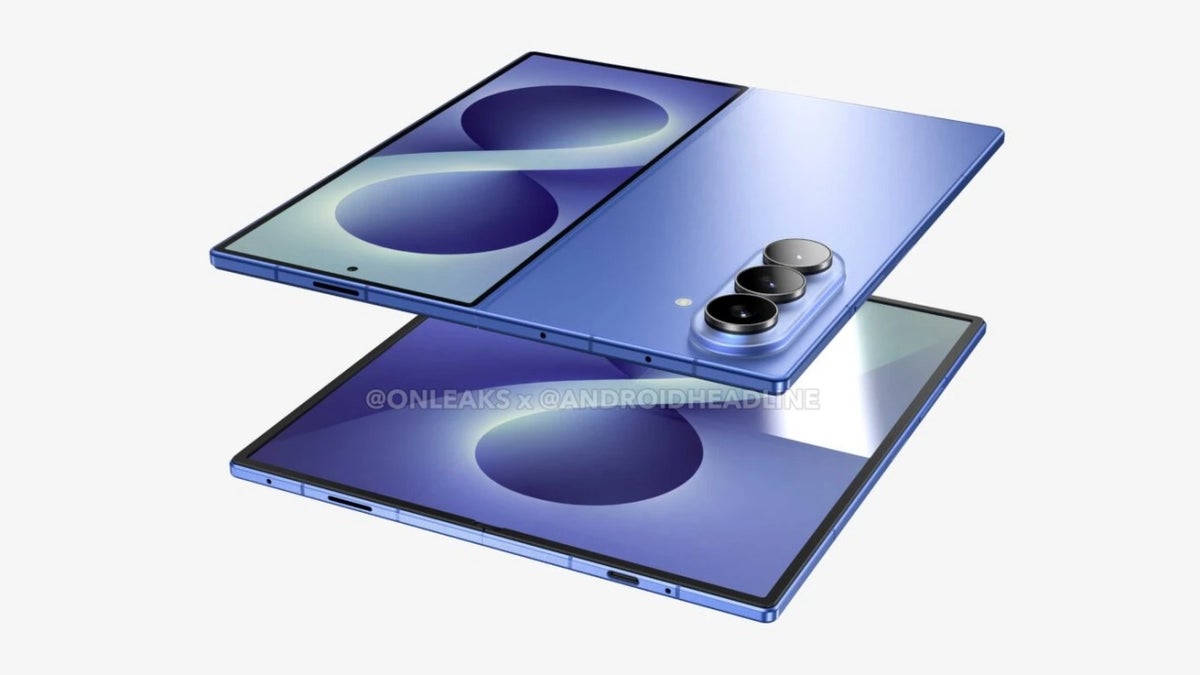
Samsung is rumored to be considering confusing foldable branding changes, with the direct successor to the Galaxy Z Fold 7 potentially called the Z Fold 8 Ultra and a wider foldable possibly taking the Z Fold 8 name. The article argues this could dilute the Ultra brand and confuse consumers, especially because the devices may not match typical Ultra-tier specs such as S Pen support. This is opinion-based reporting with limited immediate market impact, though it highlights product-launch and branding risk for Samsung's foldable lineup.
The market implication is not the rumor itself, but the signaling problem it creates for Samsung’s premium stack. If the company uses “Ultra” on a foldable without meaningfully outperforming its slab flagship, it risks compressing pricing power across the entire premium Android lineup: consumers anchor on one halo brand, then start demanding the same camera, charging, and productivity features at the foldable price point. That’s a margin-risk setup, not because unit demand collapses immediately, but because channel mix can shift toward higher-spec, lower-margin configurations and promotional intensity rises over the next 2-3 quarters.
The second-order effect is competitive rather than direct. A naming reset suggests Samsung may be trying to widen the TAM for foldables before the category is fully mature, which invites aggressive response from Chinese OEMs that can undercut on hardware-per-dollar and force Samsung into either feature creep or discounting. If Samsung weakens the distinction between its established book-style foldable and a broader-format model, it could actually accelerate category fragmentation, making the addressable premium Android market harder to price rationally in FY26.
Contrarian read: this may be less about product confusion and more about creating a clean ladder for a future three-tier foldable portfolio, where brand architecture matters more than spec purity. If that’s the case, the near-term negative is mostly sentiment-driven and likely fades once launch details confirm whether the new model is genuinely differentiated. The key catalyst window is the formal announcement and pre-order commentary; if reviewers treat the device as a true productivity device rather than a gimmick, the branding debate becomes noise and Samsung’s premium demand stays intact.
AI-powered research, real-time alerts, and portfolio analytics for institutional investors.
Request DemoOverall Sentiment
mildly negative
Sentiment Score
-0.10
Ticker Sentiment
