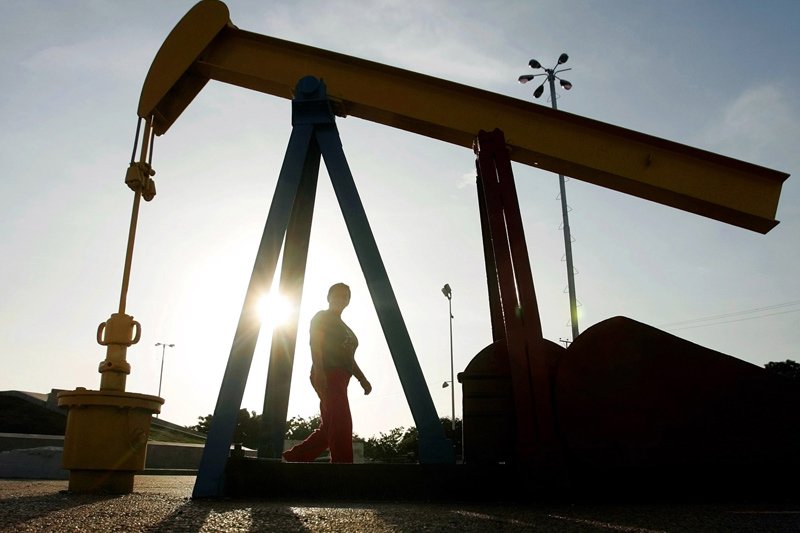
Oil prices rose about 3% to around $109 a barrel as U.S.-Iran tensions escalated over the Strait of Hormuz, which Iran has effectively shut following U.S. and Israeli attacks. Trump said he may resume military action if Iran refuses a deal, while also considering easing sanctions on Chinese firms buying Iranian crude. The disruption has triggered the biggest oil supply crisis in history and raises the risk of further volatility across energy and shipping markets.
The market is now pricing a credible escalation ladder rather than a one-off headline: the key second-order effect is that even a partial, temporary disruption in Hormuz forces every buyer to reassess working inventory, shipping routes, and insurance assumptions at once. That creates a nonlinear move in crude and LNG because the real constraint is not just barrels lost, but the replacement barrel becoming slower, costlier, and politically contingent. The biggest near-term beneficiaries are not only upstream producers, but also firms with visible stockpiles, domestic logistics flexibility, and pass-through pricing power.
The more important medium-term risk is policy response. If oil holds at elevated levels for more than a few sessions, the administration has incentives to pursue either a tactical de-escalation or a sanctions carve-out that indirectly restores flows, which would compress the geopolitical premium quickly. That means the trade is likely best expressed as a volatility event rather than a clean directional bet: spot can remain bid while the forward curve and equities start signaling eventual normalization.
A less obvious loser is any industrial or transportation business with thin margins and limited fuel hedging, especially where contracts reset slowly. The broader inflation impulse also raises the odds that rate-sensitive assets remain under pressure for several weeks, not because of growth damage alone, but because energy becomes an exogenous input shock the Fed cannot ignore. If this persists into the next CPI window, the macro trade becomes one of higher real-rate persistence and lower multiple support across cyclical duration assets.
Consensus is probably underestimating how quickly diplomacy can reverse part of the move once prices bite. But it is also underestimating tail risk around tanker insurance, port access, and retaliatory strikes, which can keep dislocations alive longer than headline negotiations suggest. The right frame is asymmetric: upside in crude can come in days, while a full normalization may take months.
AI-powered research, real-time alerts, and portfolio analytics for institutional investors.
Request DemoOverall Sentiment
strongly negative
Sentiment Score
-0.65
