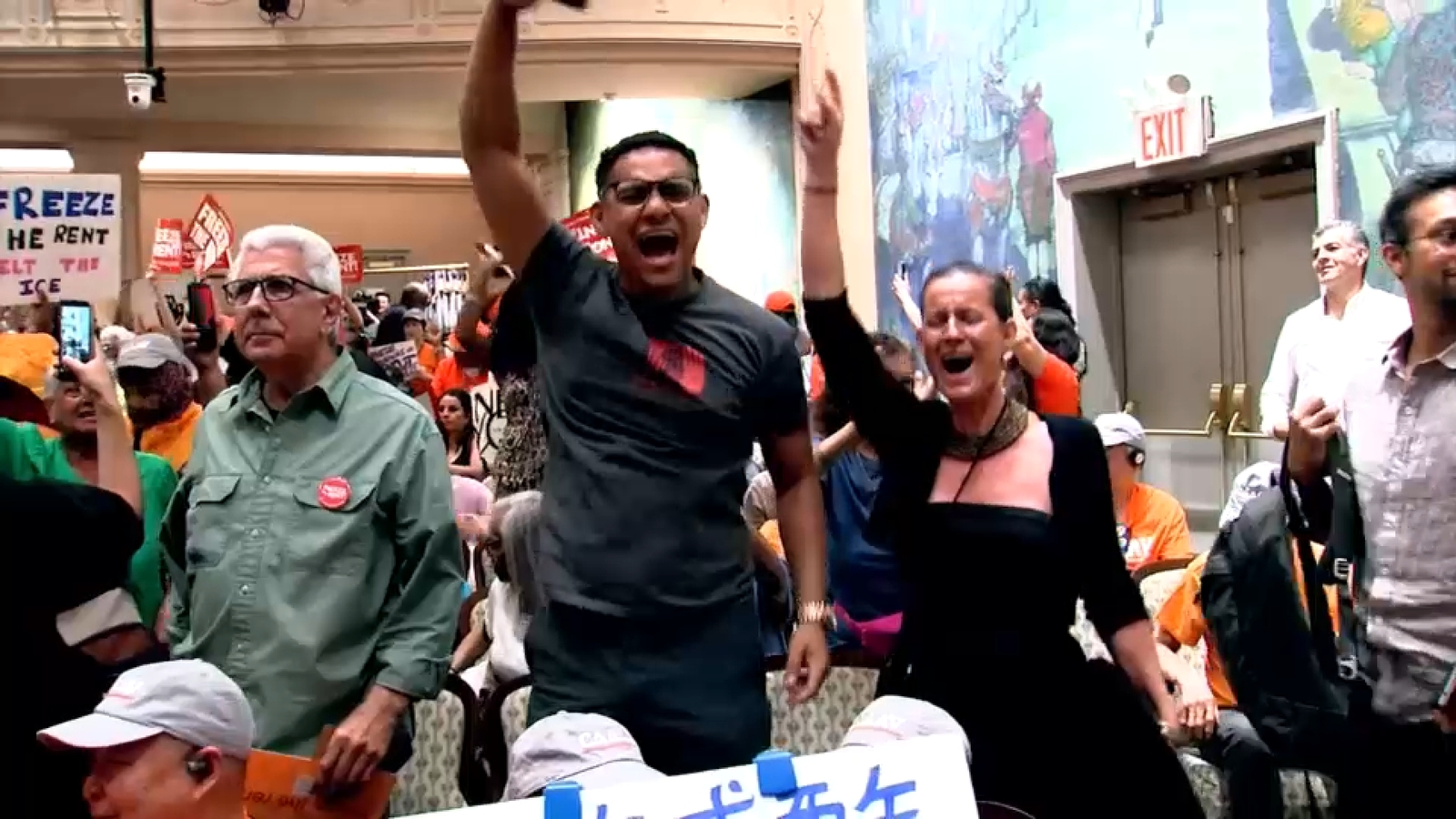
New York’s Rent Guidelines Board voted 7-1 to freeze rents on both one-year and two-year leases for the city’s one million rent-regulated apartments, marking the first-ever two-year lease freeze and only the fourth one-year freeze. The move fulfills Mayor Zohran Mamdani’s campaign pledge but drew strong opposition from landlords, who warn it will worsen housing conditions and force cuts to maintenance and staffing. The decision is politically significant for tenants and city housing policy, but its direct market impact is likely limited to the New York real estate sector.
The immediate market read is not “housing crisis worsens,” but “political risk has become a pricing input for every NYC landlord.” The bigger second-order effect is on cap-ex discipline: if owners conclude regulated income growth is capped while labor, insurance, and financing costs keep drifting up, they will preferentially defer non-urgent maintenance, lobby harder for exemptions, and lean into turnover-friendly property types outside the regulated cohort. That shifts the economic burden onto non-regulated multifamily, where landlords may try to recapture lost pricing power through renewals, amenity fees, and tighter tenant screening.
The cleaner trade is not against all real estate, but against balance sheets with high exposure to rent-regulated cash flow and limited inflation passthrough. Over 6-18 months, the risk is a widening spread between stabilized coastal housing REITs/owners with regulatory exposure and operators with suburban, Sunbelt, or luxury exposure where revenue can reset faster. In the near term, the freeze is likely to compress transaction activity in the city because buyers will demand a higher cap-rate premium for policy uncertainty, which can pressure asset values before it visibly hits NOI.
The contrarian view is that the market may be overestimating the earnings hit while underestimating the political durability of the policy. A one-year freeze matters less than it looks if it catalyzes higher turnover, higher vacancy turnover rents, or future “make-whole” increases once inflation normalizes. But the tail risk is real: if maintenance quality deteriorates, insurers and lenders will reprice the sector, creating a slower-burn credit issue rather than an obvious equity shock.
The most actionable implication is relative positioning: the event is mildly bearish for NYC-heavy residential owners and bullish for businesses that benefit from tenant relief without direct exposure to the regulated cash-flow squeeze. Watch for any follow-on legislation on eviction, capital reserve requirements, or tax abatements; that would be the catalyst that turns a symbolic policy into a true earnings revision cycle.
AI-powered research, real-time alerts, and portfolio analytics for institutional investors.
Request DemoOverall Sentiment
mildly positive
Sentiment Score
0.15
