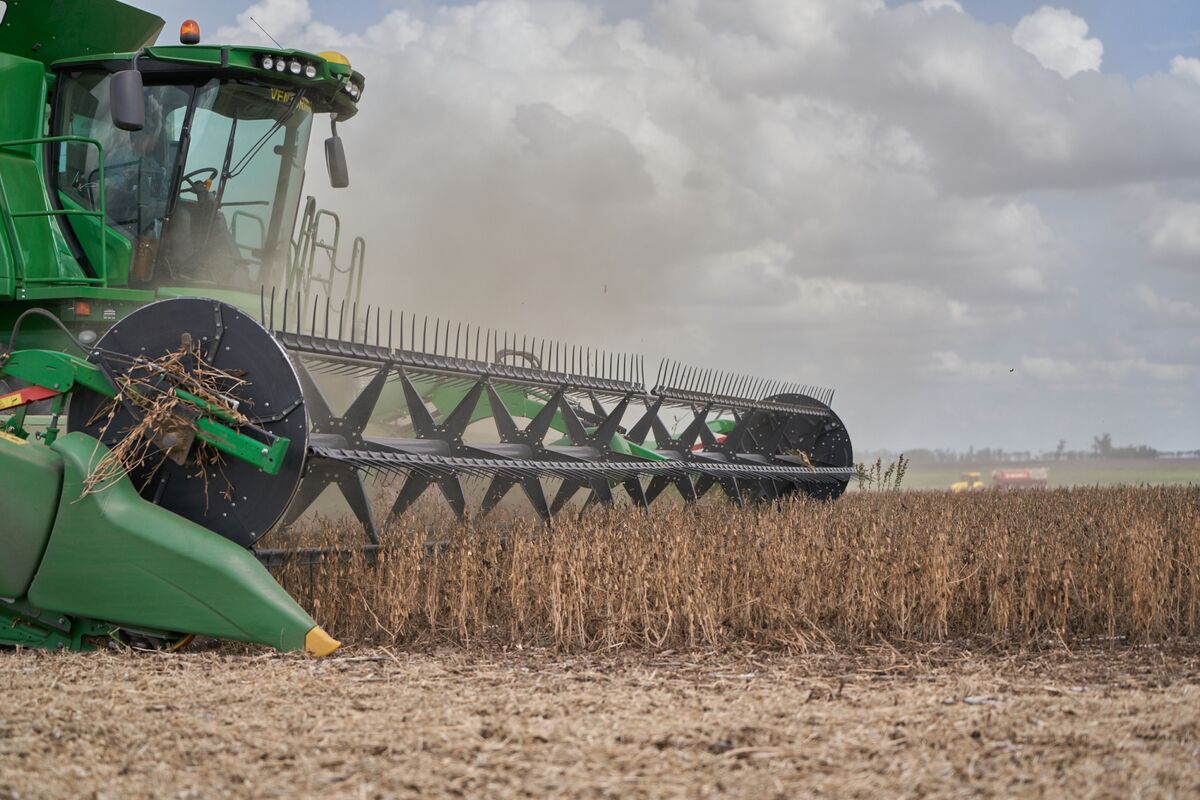
Argentina is facing rejection risk on its soy exports to Europe after an unapproved GMO strain, HB4, was detected in shipments. Farmers and crushers are taking extra steps to isolate the drought-resistant soy from the broader crop, but the lack of EU authorization creates near-term trade disruption risk for the country’s key export. The issue is centered on export compliance and supply-chain segregation rather than a broad market shock.
This is less a one-off cargo issue than a credibility shock to Argentina’s export system. Once a destination market starts treating origin lots as potentially contaminated, the penalty becomes self-reinforcing: traders widen basis discounts, insurers tighten terms, and importers preemptively reject cargoes before testing costs even matter. The immediate loser is the Argentine crush/export complex, but the second-order damage is to farm-gate pricing across the whole soy chain because buyers will price in latent compliance risk even for non-HB4 lots.
The market has likely underappreciated how quickly this can migrate from isolated rejections to a months-long trade friction. Europe’s importers have strong incentives to avoid headline risk, so even a low incidence of detections can trigger sampling intensification and shipment delays that crush working-capital economics for exporters. In that setup, the real pain is not volume loss alone; it is the higher cost of carry, wider freight spreads, and lower optionality for Argentine origin versus Brazil and the U.S.
BIOX is the clearest equity-level expression of the issue, but the more important investment angle is relative competitiveness. If Argentina is perceived as harder to certify, Brazilian soybeans gain pricing power and U.S. exporters can capture displaced European demand even without a big change in global supply-demand balances. The contrarian view is that this may be a contained regulatory hiccup if segregation protocols are tightened quickly; however, that resolution likely takes weeks to months, while the trade repricing can happen in days.
From a catalyst perspective, watch for the first formal EU or large-trader response: that will determine whether this remains a reputational problem or becomes a structural discount in Argentine soy. The tail risk is not a global soy price shock, but a regional basis blowout and margin compression for crushers/exporters if rejection rates rise through the next shipment cycle. If incidents are confirmed in multiple loadings, the market will start treating HB4 as a persistent overhang rather than a manageable compliance issue.
AI-powered research, real-time alerts, and portfolio analytics for institutional investors.
Request DemoOverall Sentiment
moderately negative
Sentiment Score
-0.35
Ticker Sentiment
