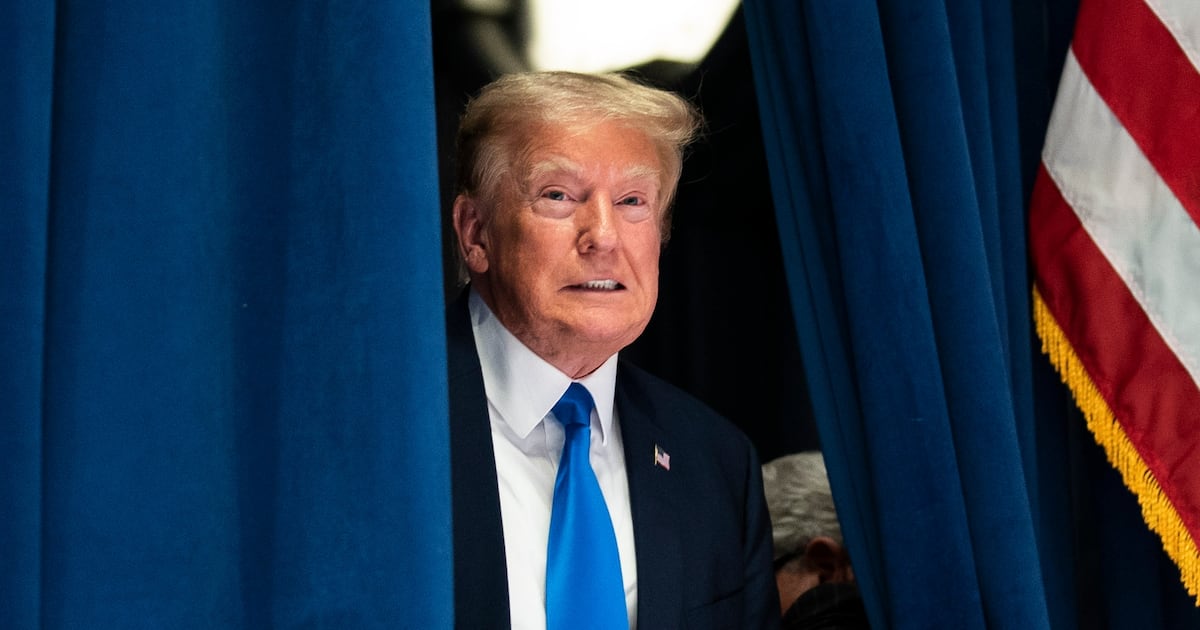
The ECB warned that Trump’s war with Iran and tariff policies are increasing the risk of a major global financial crisis, with geopolitics, trade disruption, and overstretched asset prices converging. It highlighted potential reassessments of sovereign risk, higher borrowing-stress in private credit, and vulnerability in euro area sovereign bond markets as energy supply disruptions persist. Markets were said to be too optimistic about geopolitical, fiscal, and macro-financial downside risks.
The market is likely underpricing how quickly a geopolitical shock can become a funding shock. The first-order move is obvious: higher energy prices and wider risk premia. The second-order risk is more dangerous: a sustained oil supply disruption can lift inflation expectations just enough to keep policy restrictive while simultaneously weakening growth, which is the classic recipe for stress in levered credit and duration-sensitive assets. The most fragile link is not public equities but the plumbing of private credit and sovereign bond markets. If refinancing windows stay shut for another 1-2 quarters, weaker borrowers will face a double squeeze from higher coupons and lower cash flow, forcing lenders to extend, amend, or crystallize losses. At the same time, macro hedge funds and real-money allocators are now part of the marginal price-setter in sovereigns, so a disorderly repricing in U.S. Treasuries, bunds, or peripheral Europe can overshoot faster than in prior cycles. Consensus seems too focused on the headline war/tariff narrative and not enough on cross-asset correlations flipping toward one. When geopolitics, fiscal stress, and growth downgrades all hit at once, diversification benefits collapse and even “safe” assets can sell off if inflation risk dominates. That argues for owning convexity rather than chasing outright shorts: the best asymmetry is in rates volatility and credit protection, not in betting on a linear equity drawdown. Near term, the key catalyst window is days to weeks for oil and equities, but months for credit and sovereign stress. The scenario that reverses this is a credible de-escalation or policy rollback that restores supply certainty and lowers term premia; absent that, every additional week increases the odds of a regime shift in funding conditions.
AI-powered research, real-time alerts, and portfolio analytics for institutional investors.
Overall Sentiment
strongly negative
Sentiment Score
-0.78
