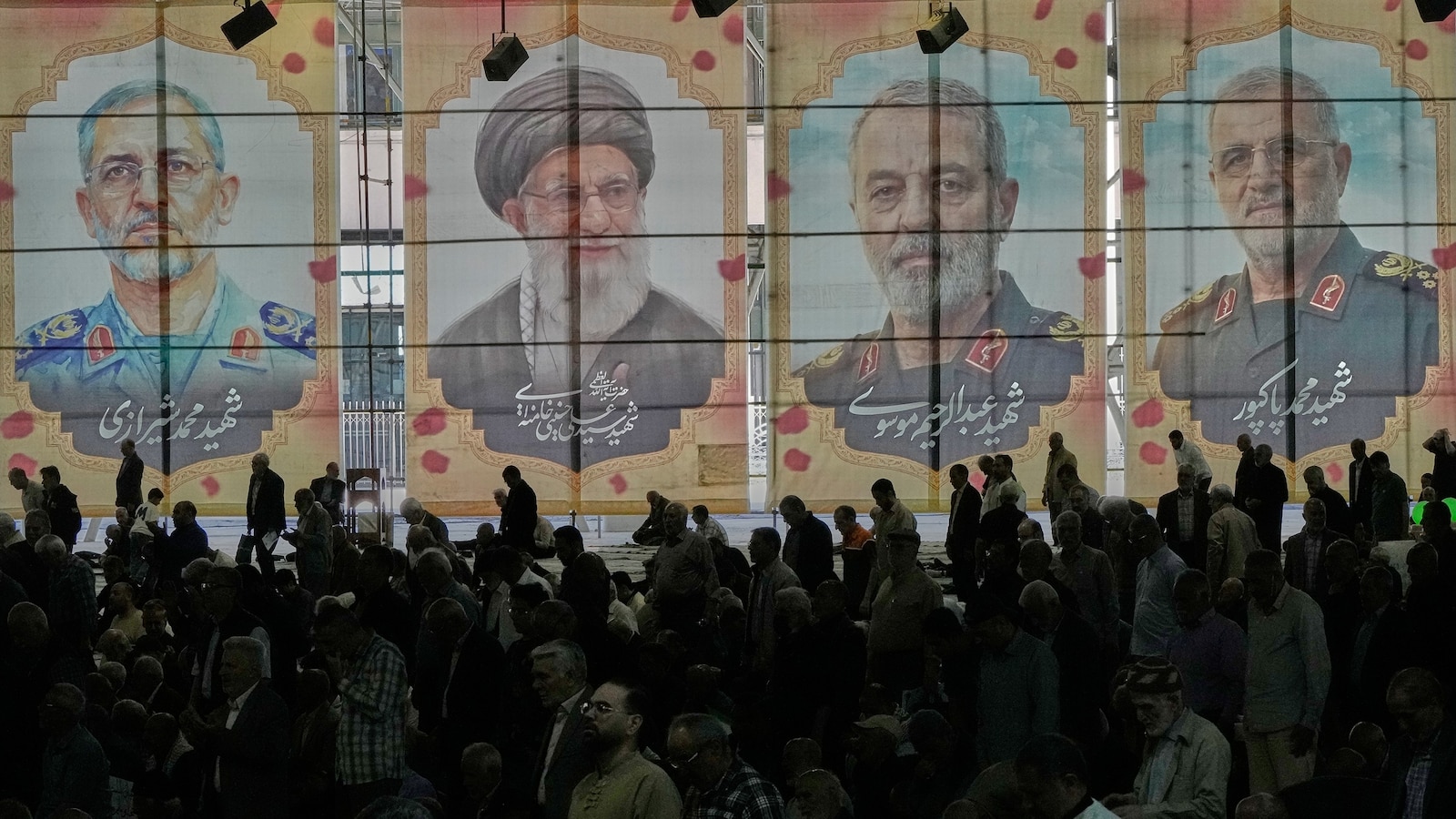
Trump said Iran has informed the U.S. it is in a "state of collapse" and allegedly asked for relief from the naval blockade in the Strait of Hormuz. The comments highlight elevated geopolitical risk around Iran and a critical global oil chokepoint, which could keep energy and shipping markets volatile. The report is based on Trump's social-media post and provides no independent evidence of the claim.
The market should treat this as a probability-shift event, not a confirmation event. Even if the headline is unverified, the second-order effect is that shipping insurers, tanker operators, and commodity desks will widen the distribution of outcomes for Gulf energy flows, which typically shows up first in prompt crude spreads, freight rates, and options skew before spot prices fully reprice. The most sensitive part of the tape is not just oil producers; it is any asset dependent on uninterrupted Asian energy delivery, especially refiners, airlines, and industrials with thin inventory buffers.
The key distinction is duration. A short-lived blockade scare tends to create a sharp but reversible risk premium over days, while a genuine leadership or command-and-control disruption in Iran can persist for weeks and force structural rerouting, higher war-risk premia, and inventory hoarding. If this remains rhetoric, the move will likely fade once no physical escalation materializes; if there is even a partial interruption in Hormuz traffic, the market can overshoot quickly because spare capacity and strategic reserves cannot instantly substitute for chokepoint barrels.
Contrarian view: the consensus may overestimate immediate supply destruction and underestimate how much of the marginal reaction is already embedded in energy volatility surfaces. The better trade may be volatility, not direction, because the base case is a headline-driven spike followed by mean reversion unless there is confirmed interdiction. The biggest underappreciated winners are not only upstream energy equities but also freight and defense names tied to heightened regional escalation, while the biggest losers are sectors with high fuel beta and weak pricing power.
This also creates a policy-risk wedge: even if the U.S. does not intervene directly, any easing of sanctions or diplomatic backchannel around maritime access would compress the risk premium fast. That means long-duration convexity is preferable to outright cash exposure, and any directional energy long should be sized with a clear exit if the story remains unverifiable into the next 24-72 hours.
AI-powered research, real-time alerts, and portfolio analytics for institutional investors.
Request DemoOverall Sentiment
mildly negative
Sentiment Score
-0.35
