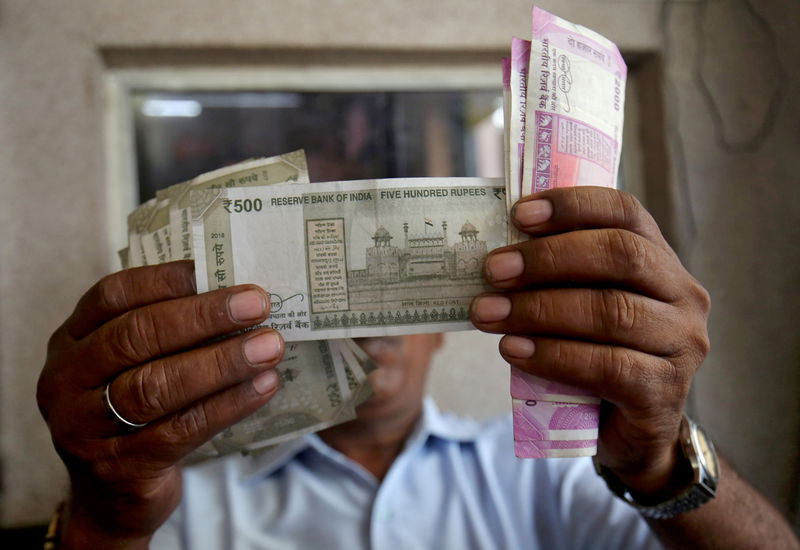
Trump said a peace agreement with Iran could be signed as soon as this weekend, but Iranian officials said no final decision has been made, leaving the geopolitical backdrop uncertain. The risk-on tone pushed the Indian rupee up, with USD/INR down 0.7%, while USD/CNY fell 0.2% and USD/SGD was flat; USD/JPY rose 0.2% to 160.25 ahead of next week’s BOJ meeting, where a 25 bps hike to 1% is expected. U.S. producer prices rose more than expected in May, though core PPI was softer, easing pressure for an imminent Fed hike and leaving markets pricing about a 60% chance of a rate increase by December.
The near-term market setup is less about the headline and more about the optionality around it: if diplomacy even partially de-risks the Gulf, the first-order move is lower energy volatility, but the second-order winner is every importer with high beta to input costs and foreign-funding stress. That argues for relative outperformance in Asia ex-Japan FX, especially high-carry or oil-sensitive EMs, because a softer energy tape can improve external balances and reduce imported inflation exactly as rate-hike anxiety is peaking.
The more interesting signal is the divergence between headline inflation and underlying inflation: energy shock pass-through is still showing up in producer prices, but core pressures look easier. That combination tends to compress the probability of an immediate Fed tightening impulse while still keeping real rates restrictive, which is usually supportive for growth/AI duration stocks if yields remain range-bound rather than trend higher. In practice, the market is likely underpricing how quickly a benign inflation print plus lower oil could relieve USD funding pressure and squeeze crowded defensive dollar longs.
Japan is the cleanest cross-asset catalyst because the yen is being held down by rate differentials right at a level that invites policy response. If the BOJ hikes as expected while U.S. policy pricing shifts later rather than sooner, USD/JPY downside can be abrupt, and that can ripple into global risk through CTA and vol-control rebalancing. The risk is that any Iran deal proves hollow; in that case oil rebounds first, then the USD stabilizes, and the whole risk-on/FX/EM complex unwinds within days rather than weeks.
AI-powered research, real-time alerts, and portfolio analytics for institutional investors.
Request DemoOverall Sentiment
neutral
Sentiment Score
0.10
Ticker Sentiment
