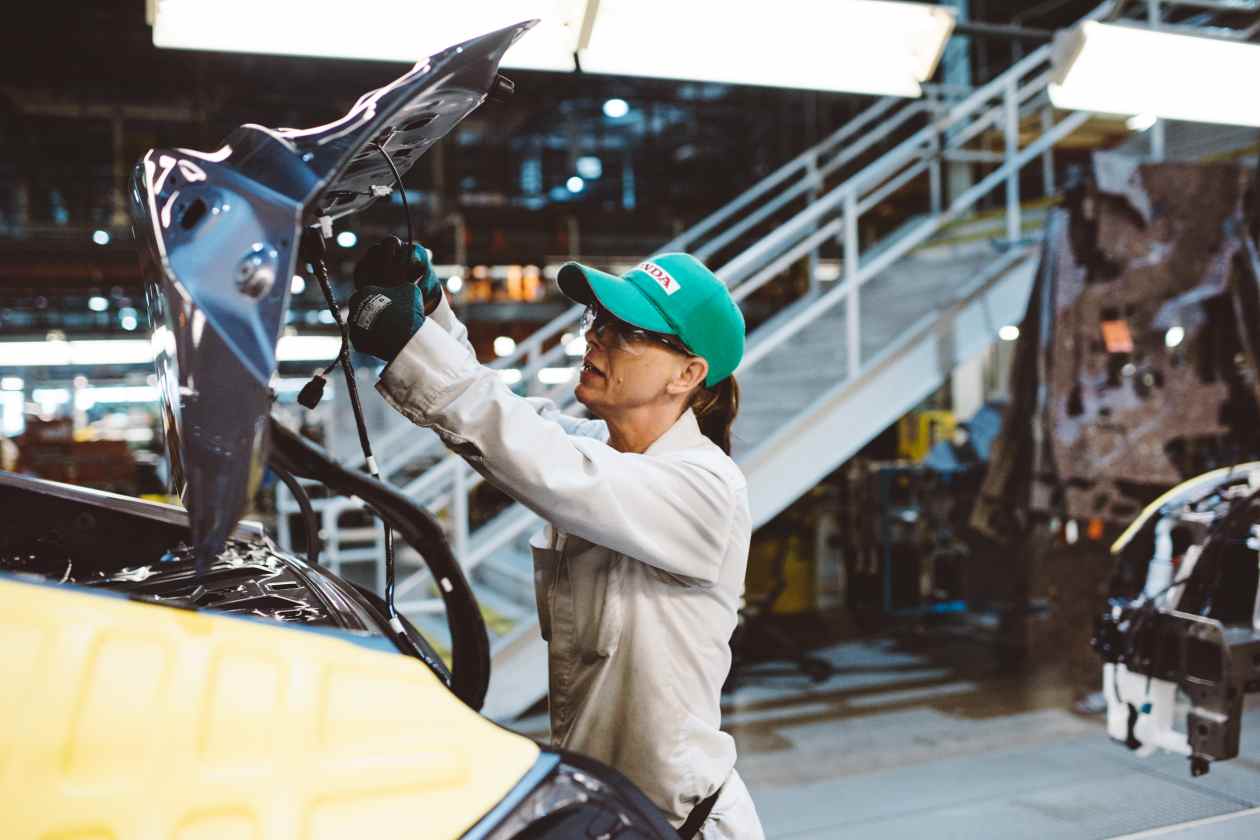
Presidential tariff policies are targeting automakers to increase domestic production, impacting manufacturers like Honda, whose Indiana factory produces a significant number of vehicles annually. This strategy aims to incentivize U.S.-based manufacturing, but introduces potential disruptions to established and finely-tuned production processes.
Current U.S. tariff policies are strategically aimed at incentivizing automakers to expand domestic vehicle production, placing automotive manufacturing at the forefront of political discourse. This approach, however, introduces significant operational risks for established manufacturers such as Honda Motor Co., Ltd. (HMC), whose Indiana facility, a major employer in Greensburg, produces approximately a quarter-million vehicles annually. The article underscores that these highly optimized, "finely-tuned" production processes are particularly vulnerable to disruptions stemming from new tariffs. The prevailing sentiment surrounding this issue is moderately negative (-0.4 sentiment score), with a cautious tone reflecting the potential for these policies to upset existing supply chains and manufacturing efficiencies within the automotive sector, despite the stated goal of bolstering U.S.-based operations.
AI-powered research, real-time alerts, and portfolio analytics for institutional investors.
Request DemoOverall Sentiment
moderately negative
Sentiment Score
-0.40
Ticker Sentiment
