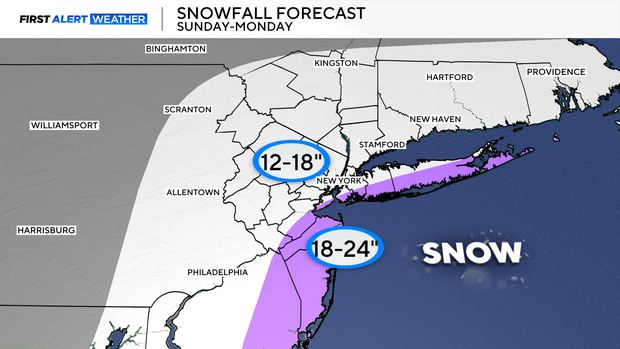
A major nor'easter threatens the NYC tri-state area with blizzard conditions, coastal flooding, tropical-storm-force gusts and heavy snowfall (projected 12"–24" across NYC, Long Island and the Jersey Shore) between Sunday evening and Monday morning; officials declared states of emergency and enacted travel bans. Mass-transit suspensions and schedule changes (LIRR suspended 1 a.m. Monday, NJ Transit bus/light rail suspended 6 p.m. Sunday), more than 1,600 flight cancellations across LaGuardia, JFK and Newark, and utility outage risk from heavy, wet snow and >40–60 mph gusts create short-term operational disruption and potential localized economic impact for airlines, transit operators, utilities and retail activity.
Market structure: The immediate winners are local utilities (rate-regulated: ED, PEG), home-improvement and generator vendors (HD, LOW, GNRC) and short-term natural gas suppliers; losers are airlines (AAL, UAL, DAL), airport services, and regional rail operators with revenue/ops losses over 24–72 hours. Heavy, wet snow + 40–60 mph gusts increases outage probability materially—expect NYISO/NE gas and spot power price spikes of 10–30% intra-week if outages exceed 100k customers.
Risk assessment: Tail risks include multi-day transmission outages >72 hours, major coastal flooding and a large insurance CAT event (> $1bn insured losses in region) that could widen P&C spreads; regulatory scrutiny on utilities could trigger accelerated cost-recovery hearings over 3–12 months. Immediate window (0–7 days): transit and flight revenue shock; short-term (1–3 months): insurance claims and replacement demand; long-term (3–24 months): municipal/utility capex and resilience spending.
Trade implications: Trade volatility in travel and energy—buy short-dated puts on airlines (1–2 week) and buy short-dated UNG or NYISO-exposed nat-gas exposure for 1–3 week horizon. Prefer long ED/PEG (3–6 month) to capture allowed storm cost recovery and GNRC/HD (1–3 month) for aftermarket generator and DIY demand; size trades small (0.5–2% NAV) and stagger exits as services resume.
Contrarian angle: Consensus focuses on immediate cancellations; underappreciated is post-storm refreeze/ice risk that can extend economic disruption 3–7 days, keeping demand for generators, heating fuels and repair services elevated. Historical parallels (2016, 2010 nor'easters) show durable uplift to regional construction/heating demand for 6–12 months—consider leaning into equipment and regulated-utility exposures rather than pure travel rebounds.
AI-powered research, real-time alerts, and portfolio analytics for institutional investors.
Request DemoOverall Sentiment
moderately negative
Sentiment Score
-0.45
