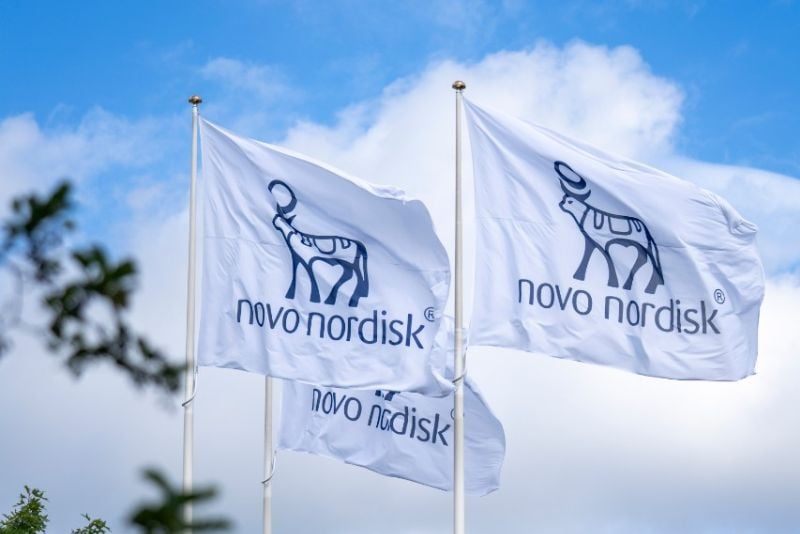
FDA issued a Warning Letter to Novo Nordisk’s Plainsboro, NJ site following a Jan 13–Feb 7, 2025 inspection focused on postmarketing adverse drug experience (PADE) reporting; the site had already received a Form 483 on Feb 7, 2025. The FDA flagged deficiencies in adverse-event surveillance, timing and cancellation of reports, and root-cause analysis, and said corrective plans lacked sufficient detail to assess prevention; Novo says it has submitted seven updates and is confident it will resolve the issues. The Warning Letter, plus related untitled letters for Ozempic/Wegovy and a separate Bloomington, IN warning letter tied to a recent acquisition, increases regulatory and operational risk for Novo and could pressure the stock near term.
Regulatory friction at a large integrated manufacturer creates a multi-horizon shock: near-term headline-driven volatility, medium-term operational constraints (supply routing, additional QA headcount, slower release times), and a longer-term increase in regulatory cost of capital for launches and M&A. Expect the FDA to expand scrutiny beyond the inspected sites; historically that raises the probability of additional Form 483s or untitled letters across related sites by ~20-35% within 6–12 months, which translates into potential intermittent production slowdowns rather than immediate demand loss for in-market GLP‑1s.
Second-order winners are specialist CDMOs and competing GLP-1 manufacturers who can credibly offer guaranteed multi‑site capacity and audited supply chains; payers and PBMs also gain bargaining leverage, as they can threaten formulary constraints if safety surveillance is perceived as weak. For the incumbent, remediation typically means +0.5–1.5% incremental SG&A/COGS for 12–24 months (hiring, IT, 3rd‑party audits), and a measurable drag on operating leverage — a margin headwind that is persistent until inspections close and outside auditors sign off.
Key catalysts to watch: (1) FDA reception of Novo’s next CAPA update (weeks–months) — clean acceptance materially de‑risks the trade; (2) any rejections/CRLs tied to manufacturing partners (0–6 months) which would raise the chance of revenue deferrals; (3) independent third‑party audit results or trustee appointment (3–12 months). A contrarian frame: large-scale product demand, limited generic competition and pricing power for GLP‑1s mean a full structural rerating is unlikely unless the FDA expands sanctions to plant closures or forced recalls — low probability but asymmetric if realized.
AI-powered research, real-time alerts, and portfolio analytics for institutional investors.
Request DemoOverall Sentiment
moderately negative
Sentiment Score
-0.55
Ticker Sentiment
