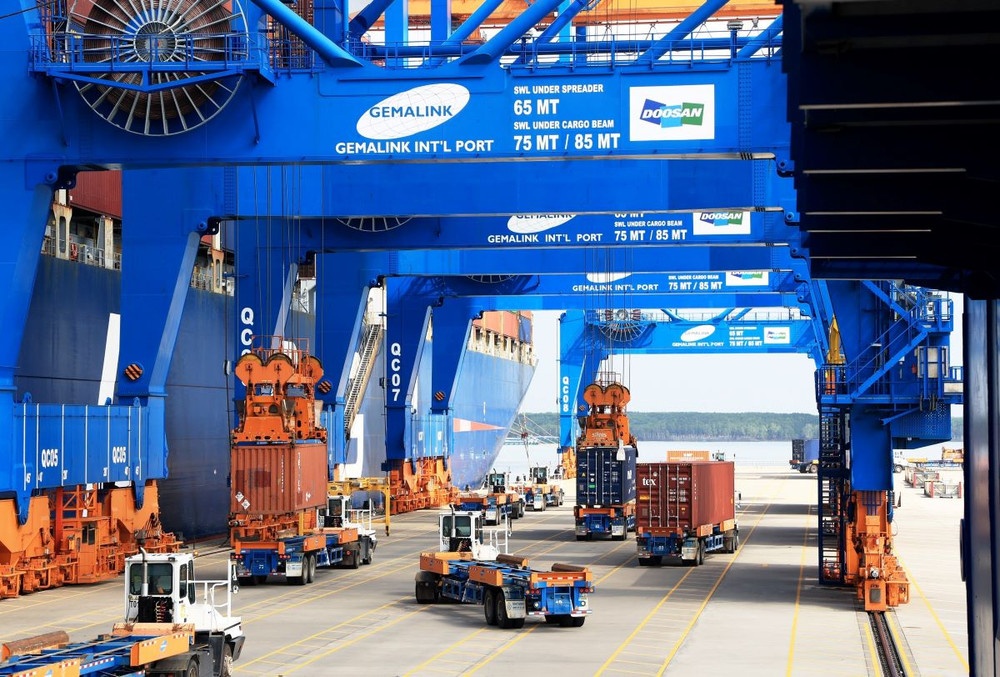
Middle East conflict is disrupting supply and raising freight rates and transit times, prompting European buyers to seek alternative suppliers and boosting demand for Vietnamese fresh agricultural produce, textiles and wood products. Exporters report continued container shipments and steadier shipping costs to China, though freight and port handling costs to Europe are higher; government trade offices and port infrastructure investments are helping firms seize new orders. Firms should ensure compliance with plantation area and packaging facility codes to smooth exports to China.
The dislocation creates a classic supply-substitution trade: short-duration surge in demand for reefers, cold-chain capacity and container slots to Europe, and a medium-term reallocation of manufacturing and agro-export volumes toward suppliers that can certify origin/packing quickly. Expect spot reefer premiums to outpace dry-container rates by 20–40% in the next 4–12 weeks because perishables can’t wait; that favors owners/operators of specialized equipment and carriers with flexible sloting, not necessarily the largest liner by TEU alone.
A key second-order constraint is non-tariff frictions — plantation area codes and packing-facility approvals are gating capacity expansion. Firms with pre-certified facilities can win multi-quarter share gains with near-zero marginal customer-acquisition cost; those that need certification will see delayed revenue conversion and elevated capex to meet standards. This dynamic also raises local port congestion and inland cold-chain capex needs, creating idiosyncratic winners in Vietnamese logistics and port services over the next 6–24 months.
Tail risks are binary and short-dated: a ceasefire or rapid diplomatic reopening of Middle Eastern supply routes would normalize freight and crash the premium in 30–90 days; conversely, a protracted conflict or fuel-price spike could sustain elevated rates well beyond a year and force European buyers to lock longer contracts. Monitor three leading indicators on weekly cadence: reefer spot rates, EU produce import volumes into Vietnam-designated ports, and the pace of facility certification filings — these will signal whether the initial demand spike is transitory or structural.
AI-powered research, real-time alerts, and portfolio analytics for institutional investors.
Request DemoOverall Sentiment
mildly positive
Sentiment Score
0.18
