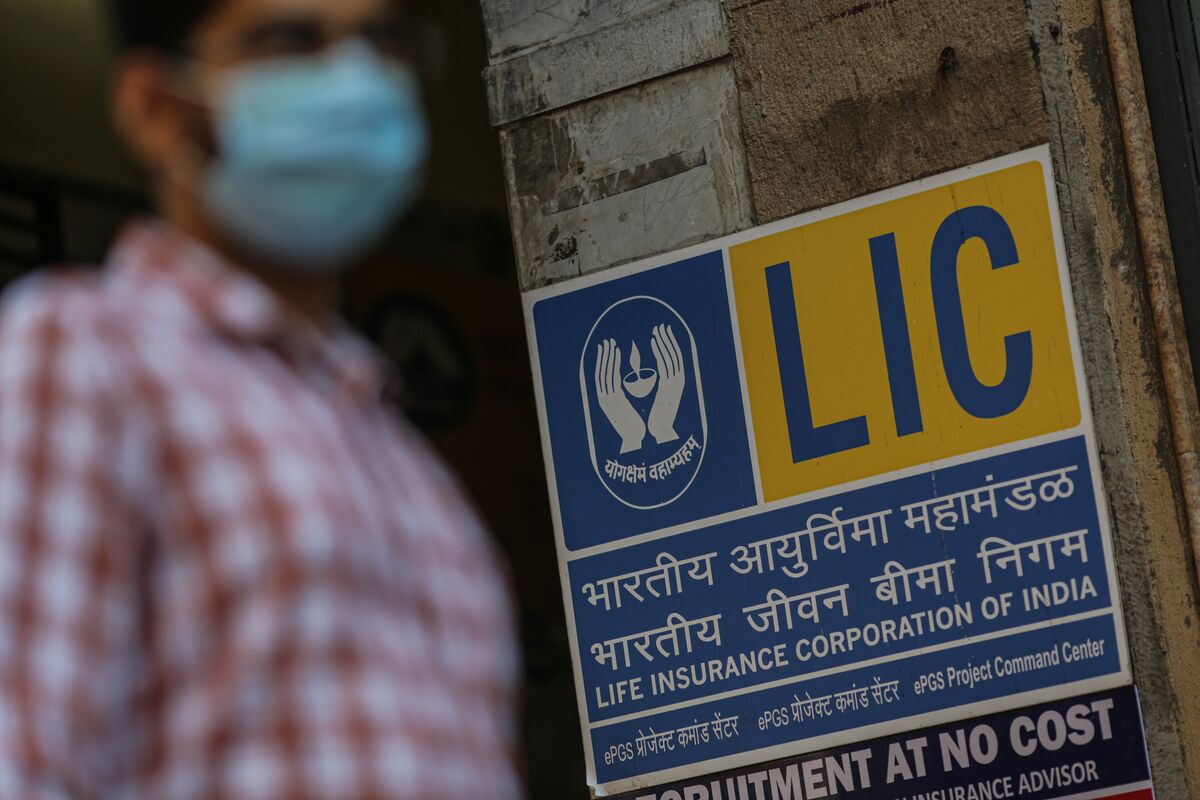
India is fast-tracking stake sales in eight large state-owned firms to cushion a budget hit from high oil prices, led by Life Insurance Corp. of India (LIC) with a potential raise of up to 100B rupees ($1.05B) and Hindustan Zinc up to 50B rupees. The government’s move signals fiscal pressure from elevated energy costs, though proceeds could help stabilize public finances. Broader participation by state-controlled banks suggests a near-term supply of sellable equity assets, likely creating localized market volatility around these names.
This is primarily a supply-overhang event for the named assets, not a fundamental rerating. In the next few days, the market is likely to discount the risk that the government sells into strength, which usually caps upside in state-linked names and compresses valuation multiples versus cleaner private peers. LIC and Hindustan Zinc are the clearest near-term losers; the state-bank complex is a secondary loser because it becomes a recurring funding source for fiscal repair, which tends to keep a governance discount in place.
The second-order read-through is more interesting: the government is signaling that higher oil is being absorbed through asset monetization rather than a broader policy response. That is mildly supportive for India sovereign risk over 1-3 months if execution is credible, because it reduces gross borrowing pressure and helps preserve capex. But if oil stays elevated and divestment receipts disappoint, the fiscal gap simply shifts from headline management to future spending restraint, which is negative for domestic cyclicals, banks, and any sector relying on policy-led demand.
Contrarian view: this may be less bearish than it looks for the broader market, because forced supply often gets absorbed by domestic institutions when the offer discount is large enough, and successful execution can actually improve free-float liquidity over 6-18 months. The key falsifier is price behavior around the announced offer: if LIC/HZL trade through the implied discount and hold there after allocation, the overhang is being absorbed and the short thesis weakens quickly.
AI-powered research, real-time alerts, and portfolio analytics for institutional investors.
Overall Sentiment
mildly negative
Sentiment Score
-0.25
