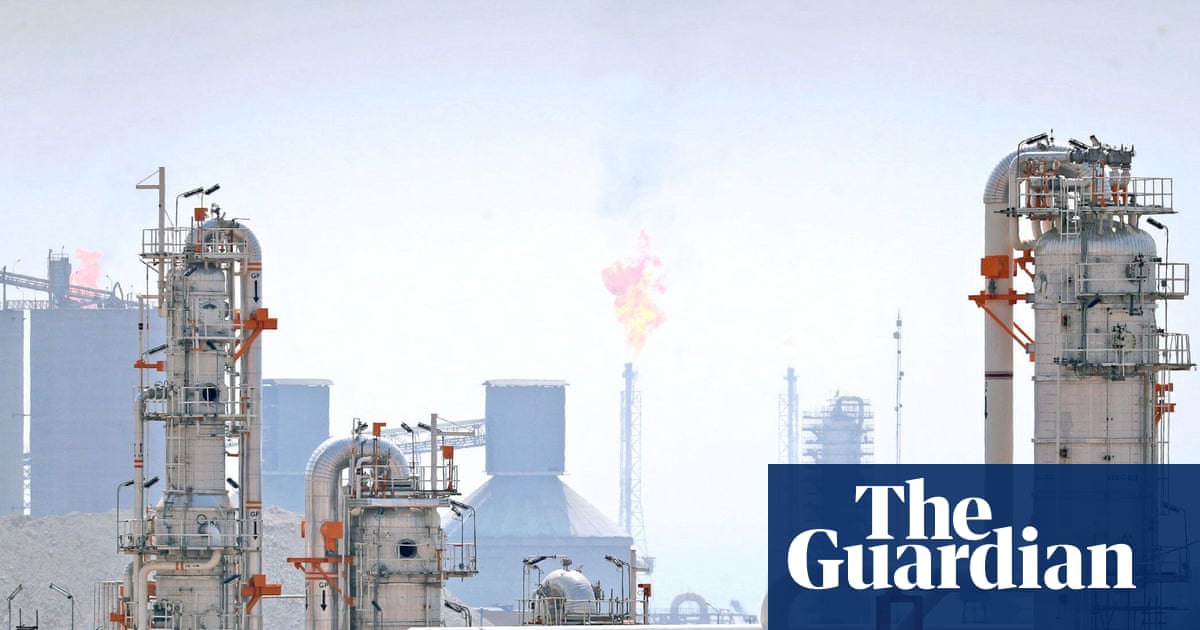
Qatar reports roughly one-fifth of its LNG export capacity and about 20% of global natural gas supply impacted by Iranian strikes, with QatarEnergy estimating ~$20bn in damage and 12.8m tons/year of gas sidelined for 3–5 years. Brent spiked as much as 10% to $119/bbl (trading near $110, +3.3%) and crude is up ~60% since Feb 28; European gas prices jumped up to 24% and have more than doubled since before the war. Equity markets sold off (FTSE 100 -2.35% to 10,063) and airlines warned of higher fares; disruption threats to the Strait of Hormuz and potential wider military escalation create systemic, multi-year energy-supply risk and warrant a defensive, risk-off posture.
The market reaction will be driven less by the initial headline shock and more by multi-layered supply-chain frictions that persist: longer shipping routes, elevated charter and insurance rates, and protracted capital expenditure timelines to repair complex LNG infrastructure. Expect LNG price differentials between Asia and Europe (and between spot JKM vs long-term indexed contracts) to widen and remain volatile for quarters as buyers scramble for cargoes and sellers prioritize higher-margin markets, sustaining a premium for flexible US/Atlantic Basin supply. Refiners and integrated oil majors will capture windfall margins in the near term via higher feedstock and product spreads, while transport-intensive sectors (airlines, freight-forwarders) will face margin pressure through 2-6 months as fuel pass-through lags and capacity constraints force route detours.
Policy and escalation risks dominate tail outcomes: a diplomatic ceasefire or large, coordinated SPR releases could normalize prices within 30-90 days, while episodic attacks on chokepoints or further nationalization/sanctions could lock in structural underinvestment and imply 3-5 year supply shortfalls. Financial plumbing risks are second-order but material — force majeure disputes, contract arbitrations, and collateral calls on shipping and LNG contracts can create episodic liquidity squeezes for mid-cap suppliers and trading houses. Watch credit spreads of LNG project sponsors and shipping owners as an early gauge; sustained spread widening implies market participants price-in longer reconstruction timelines and counterparty risk.
The most underpriced dynamics are logistics and insurance inflation: rising P&I and war-risk premiums create a persistent cost layer that favors producers with pipeline/shoreline flexibility or integrated marketing arms capable of re-routing and booking higher freight. Conversely, hub-dependent middlemen and trading-arb models that rely on tight calendar spreads are exposed to convex losses if capacity remains offline beyond a single winter. Traders should therefore construct exposure that benefits from both higher commodity prices and structurally higher logistics/insurance costs rather than pure spot directional bets alone.
AI-powered research, real-time alerts, and portfolio analytics for institutional investors.
Request DemoOverall Sentiment
strongly negative
Sentiment Score
-0.80
Ticker Sentiment
