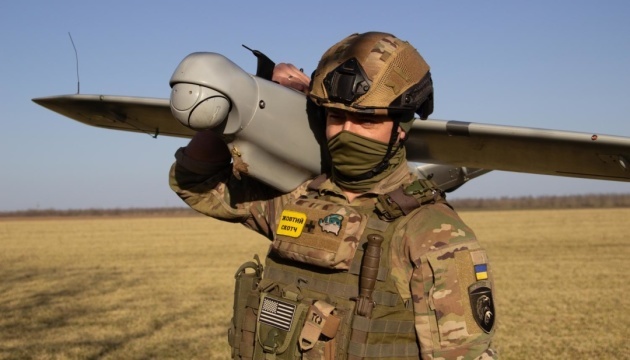
Ukraine's Third Army Corps said drones are now controlling logistics routes and occupied parts of Luhansk region, including Luhansk, Starobilsk, Alchevsk, Brianka, and Kadiivka. The operation also reportedly hit Russian armored vehicles and ammunition depots. The report underscores ongoing battlefield pressure on Russian supply lines, but it is primarily military news rather than direct market-moving economic data.
The immediate market implication is not a broad risk-off event but a marginal increase in the friction cost of moving men, fuel, and ammunition through a contested overland corridor. That matters because logistics disruption tends to show up first in higher replacement rates for trucks, armored vehicles, and communication gear, then later in wider procurement demand for drones, EW, and counter-UAS systems. The biggest second-order beneficiary is therefore the defense supply chain behind attritable systems rather than heavy platforms.
The more important strategic read-through is that drone control over transport nodes compresses the value of static defenses and raises the premium on distributed, software-defined warfare. If this persists for weeks, it increases the probability that both sides will accelerate procurement of small UAVs, loitering munitions, thermal imaging, secure radios, batteries, and battlefield networking hardware. That shifts the spend mix toward suppliers with rapid replenishment cycles and away from programs dependent on long lead times and centralized production.
Tail risk is escalation through strike geography: once logistics corridors are persistently disrupted, the response often expands deeper into rear-area infrastructure, which can raise insurance, freight, and energy-security concerns beyond the immediate theater. The key reversal catalyst would be a successful counteroffensive that restores road/rail predictability or a political pause that reduces tempo; absent that, the effect is more likely to compound over 1-3 months than dissipate in days. The consensus may be underestimating how quickly sustained drone interdiction changes procurement priorities even if headline territorial lines barely move.
For public markets, this is less a directional macro trade than a relative-value setup. Defense names with exposure to drones, sensors, and munitions should outperform traditional land-systems contractors if the conflict remains attritional and decentralized. A weaker version of this thesis is already priced into the sector, but a persistent logistics disruption would justify a second leg higher as procurement budgets re-allocate toward consumables and electronic warfare.
AI-powered research, real-time alerts, and portfolio analytics for institutional investors.
Request TrialOverall Sentiment
neutral
Sentiment Score
0.10
