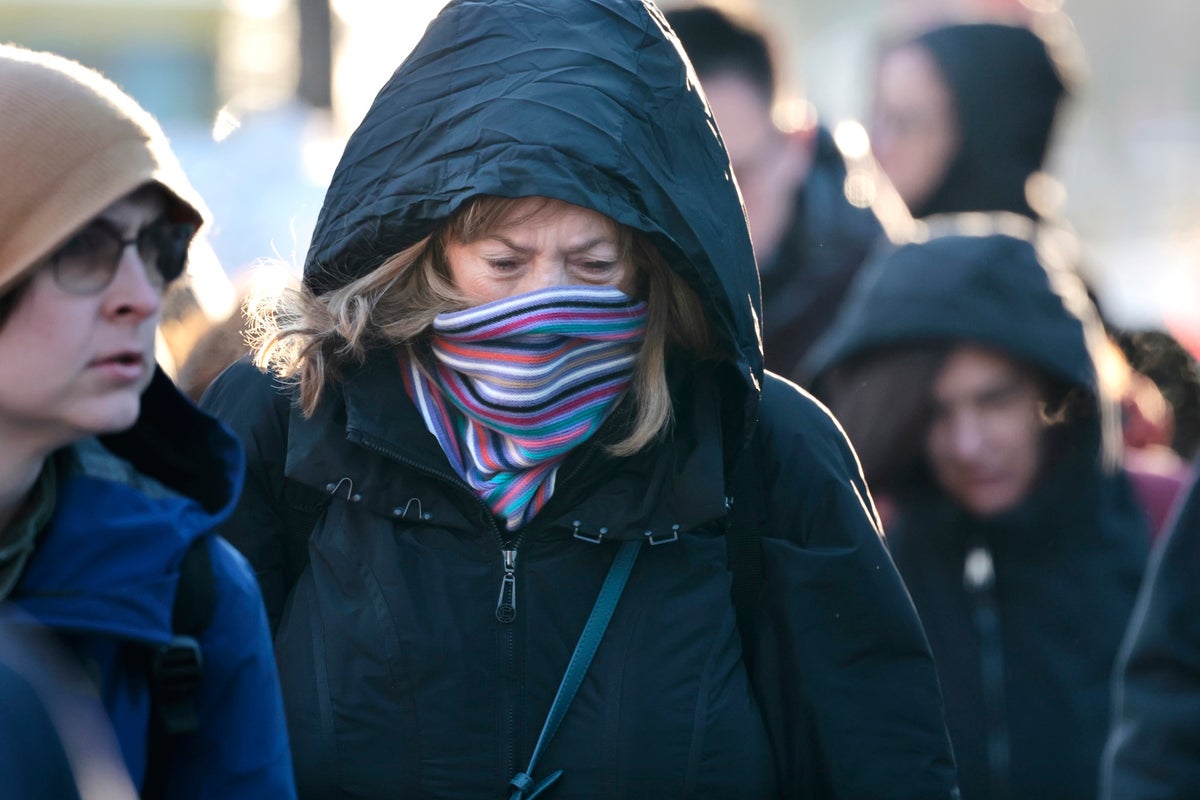
An Arctic blast and a strengthening 'bomb cyclone' off the Southeast coast are driving plummeting temperatures across the central and eastern U.S., with subzero F readings expected in the Midwest and Ohio Valley and record-cold lows as far south as Florida; rare blizzard conditions, heavy winds, coastal flooding and hazardous wind chills are possible in the Carolinas, Virginia and parts of New England. The convergence of unusually cold air and unusually warm ocean/Gulf Stream waters—linked by experts to long-term warming—amplifies storm development, implying near-term risks to energy demand (heating), regional transportation/logistics and coastal infrastructure disruptions that could create localized economic and operational impacts.
Market structure: Acute winners are natural-gas spot and midstream (fee-based pipelines) and regional winter fuel retailers; losers are time-sensitive transportation (airlines, short-haul trucking, rails) and coastal property insurers facing flood/wind claims. Expect regional power prices (ISO-NE, PJM) and Henry Hub to spike short-term—order-of-magnitude move: +15–40% in spot gas over 1–6 weeks is credible given sustained subzero demand and disrupted logistics.
Risk assessment: Immediate tail risks (next 0–14 days) include multi-day grid outages and port/rail chokepoints; short-term (weeks–months) risks include insurance loss-amplification and supply-chain reroutes that depress retail sales in affected corridors. Longer-term (quarters–years) the signal is higher volatility in energy demand and more capex toward resilience—raise probability of regulatory inspections and grid hardening spend, which could reprice utilities and midstream cash flows.
Trade implications: Tactical trades should harvest a volatility spike in gas and short discrete transport exposures while avoiding upstream commodity producers whose margins mean-revert. Prefer midstream equities and dividend utilities on small tactical allocations, buy short-dated gas call structures, and use short-duration put spreads on airlines during the storm window. Use clear stop/profit rules tied to Henry Hub levels and cancellation metrics (US DOT airline cancellations >5% triggers re-evaluation).
Contrarian angles: Consensus focuses on a one-off cold snap; market often overshoots on upstream producers—history (2014 polar vortex) shows fast mean reversion in spot gas within 6–10 weeks. The structural takeaway is not “buy producers” but “buy resilience”: midstream fee-takers and distributed storage/capacity providers will compound upside while pure commodity longs are vulnerable to rapid reversion and capex swings.
AI-powered research, real-time alerts, and portfolio analytics for institutional investors.
Request DemoOverall Sentiment
moderately negative
Sentiment Score
-0.30
