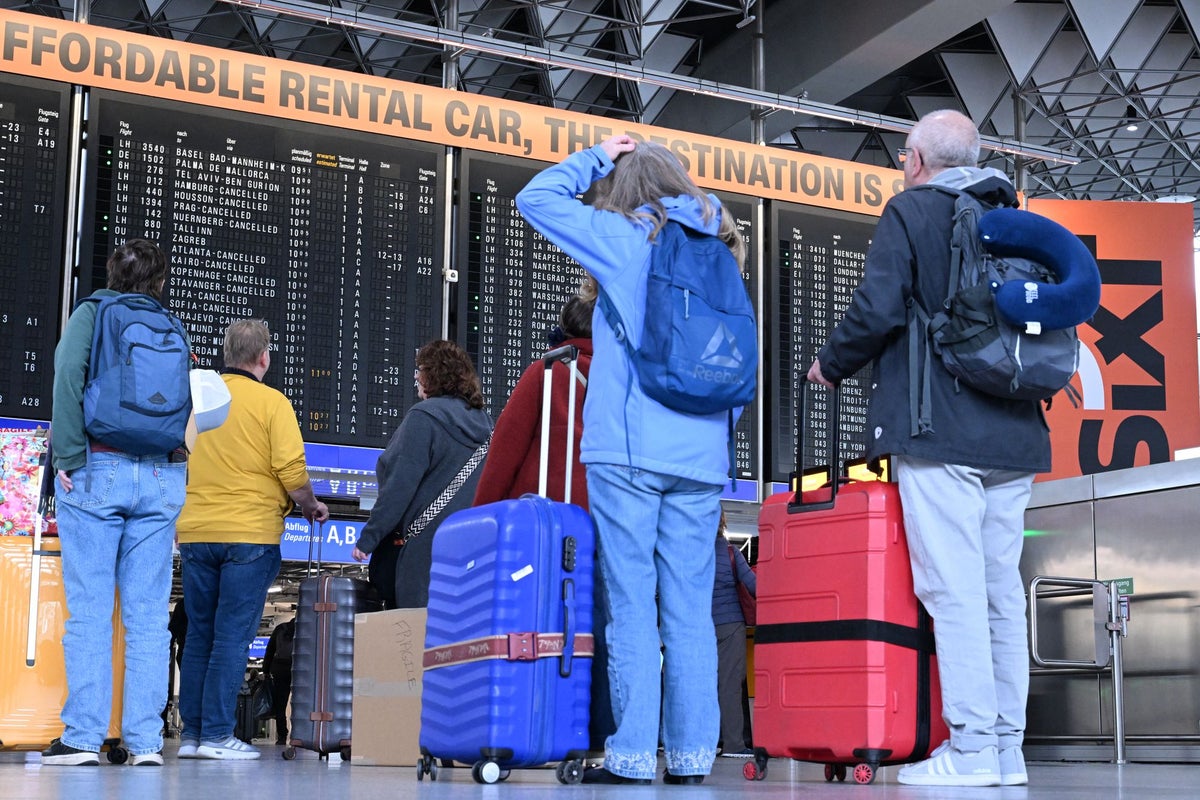
Airlines are facing a severe cost and capacity shock as jet fuel prices have more than doubled since the conflict began, with December jet kerosene futures still up over 50% year-on-year. Lufthansa warned kerosene will remain in short supply and may force it to ground 20-40 older aircraft or cut capacity by 2.5%-5%, while Qantas delayed a share buyback and will trim domestic capacity by about 5 percentage points in the June quarter. Virgin Atlantic said it has roughly six weeks of secure fuel supplies, and some carriers are already furloughing staff or cutting routes as the Middle East conflict disrupts Asia-Europe traffic.
The near-term winners are the airlines with the cleanest fuel hedges, strongest balance sheets, and the most flexible network mix. That favors the transatlantic and premium-heavy carriers that can reprice faster, while structurally hurting the carriers with high exposure to Asia-Europe hubs, thinner margins, and weaker labor flexibility. A less obvious second-order effect is on aircraft lessors and MRO-linked businesses: if older, less efficient planes get parked early, it pulls forward maintenance deferrals, spare-engine demand, and lease return negotiations, which can squeeze lessors with concentrated exposure to older narrowbodies. The market is still underestimating how quickly this becomes a balance-sheet event rather than a simple fare event. Fuel is the immediate shock, but the real risk is 1-2 quarters of negative operating leverage as capacity cuts hit unit costs before pricing fully catches up; that is especially toxic for airlines already carrying elevated labor costs and recent fleet expansion assumptions. If fuel stays elevated into the summer, expect more capex deferrals, buyback suspensions, and covenant pressure at weaker carriers, which increases the odds of industry consolidation and forced asset sales. The contrarian read is that the selloff may be too blunt for carriers that can reallocate capacity to higher-yield long-haul routes and preserve load factors. If fares continue ratcheting higher, the market could eventually reward the few airlines that benefit from scarcity pricing, especially those with premium cabins and strong cargo exposure. But that upside is likely a months-long story; over the next several weeks the cleaner expression is still that fuel-sensitive, less-hedged names should underperform, while the broader aviation supply chain may prove more resilient than headline airline equities.
AI-powered research, real-time alerts, and portfolio analytics for institutional investors.
Request DemoOverall Sentiment
strongly negative
Sentiment Score
-0.72
Ticker Sentiment
