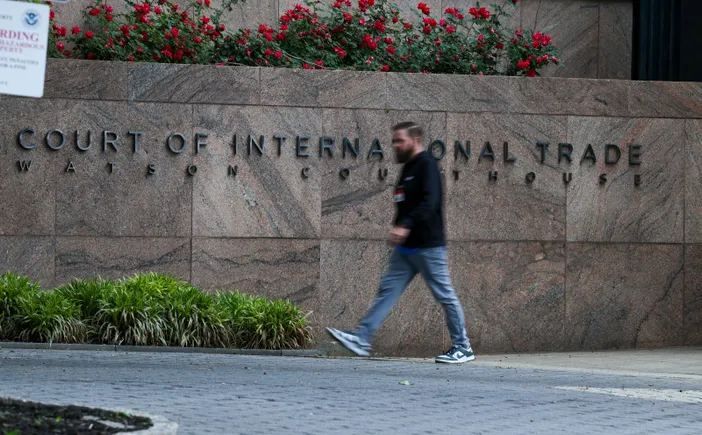
CBP plans to launch its dedicated IEEPA tariff refund system on April 20 at 8 a.m. EDT, with refunds expected to be issued in roughly 60-90 days after entries are accepted. The agency said about 82% of eligible entries are registered for electronic payment and expects to deliver roughly $127 billion in refunds tied to tariffs the Supreme Court struck down in February. The update clarifies timing, but operational execution and handling of finally liquidated entries remain unresolved.
The near-term market impact is less about the refund headline and more about the operational bottleneck it creates. A $127B payout stream over 60-90 days means a meaningful liquidity injection for importers, but the staggered electronic-only workflow will likely favor the largest and most organized filers first, widening a working-capital advantage versus smaller importers that rely on brokers or manual reconciliation. That should also create a temporary spike in customs brokerage, trade compliance, and treasury-management activity rather than an immediate broad-based cash windfall.
The bigger second-order effect is balance-sheet relief for firms that carried tariff expense as embedded inventory cost and have been funding that drag through higher revolver utilization and tighter supplier terms. Expect the earliest beneficiaries to be retailers, apparel, consumer electronics, and industrial distributors with high import intensity and clean documentation; the laggards are firms with fragmented SKU-level records or exposure to finally liquidated entries that could face slower resolution. If the system front-loads accepted claims but back-end scrutiny remains high, there is a real risk of later clawbacks, disputes, or delayed cash recognition, which makes reported liquidity improvement noisy over the next two quarters.
Consensus may underprice the administrative overhang: a refund system does not equal a clean settlement cycle. The key variable is not approval speed but error rate under volume, and even a modest rejection/rework rate could push cash receipts well beyond the promised 60-90 day window. That creates a setup where the market initially rewards importers with tariff exposure, then rotates to service providers and logistics firms that monetize the complexity, while the broader tariff-sensitive basket may only re-rate once actual cash lands on balance sheets.
AI-powered research, real-time alerts, and portfolio analytics for institutional investors.
Request DemoOverall Sentiment
neutral
Sentiment Score
0.05
This is also a political and legal asymmetry trade: the refund mechanism reduces immediate pressure on importers, but it does not eliminate future tariff-policy volatility. Any sign of implementation friction could revive uncertainty premiums in import-heavy names, especially those already carrying thin gross margins and high inventory days. The tradeable edge is to own the names that benefit from working-capital relief while hedging against a delayed-implementation or adverse-review outcome.
