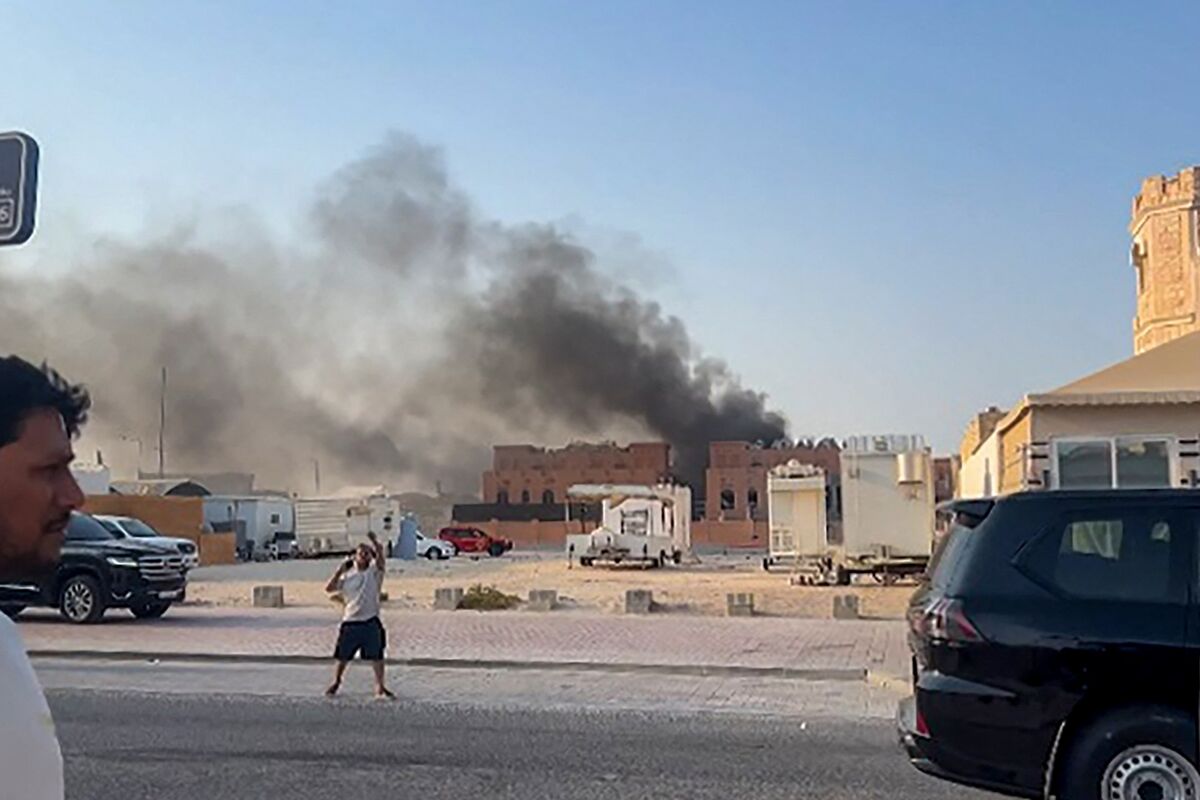
Israeli Prime Minister Benjamin Netanyahu reportedly apologized to Qatar's Prime Minister Sheikh Mohammed Bin Abdulrahman Al Thani for a recent missile strike in Doha that targeted Hamas figures, violated Qatari sovereignty, and resulted in the death of a Qatari security guard. The apology, made jointly with US President Donald Trump, highlights the diplomatic complexities and potential regional fallout stemming from Israel's security operations.
Israeli Prime Minister Benjamin Netanyahu's apology to Qatar, reportedly made in a joint call with US President Donald Trump, signals a significant diplomatic maneuver to contain the fallout from an Israeli missile strike in Doha. The apology for violating Qatari sovereignty and causing the death of a Qatari security guard suggests a strategic calculation to prevent a broader diplomatic rupture with a key regional state. The involvement of the US President underscores Washington's role as a primary mediator and its vested interest in maintaining stability among its regional allies. While the initial strike highlights Israel's assertive security posture and operational reach in targeting Hamas figures abroad, the subsequent apology indicates that a framework for de-escalation remains intact, mitigating the immediate risk of a more serious conflict between the two nations.
AI-powered research, real-time alerts, and portfolio analytics for institutional investors.
Request DemoOverall Sentiment
neutral
Sentiment Score
0.00
