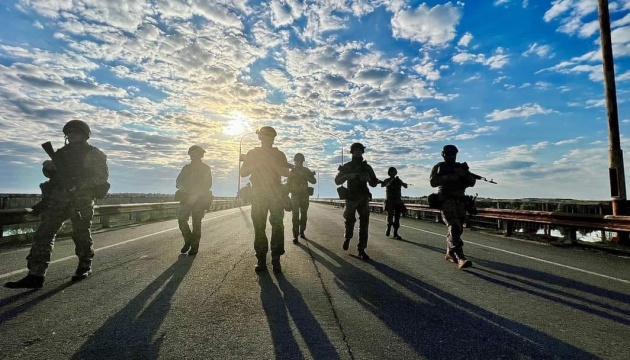
Ukrainian forces, the 16th Army Corps and the Specialized Rifle Battalion Shkval, cleared and retook the village of Chuhunivka in Kharkiv region after reconnaissance UAVs detected a Russian infiltration amid adverse weather; some Russian combatants surrendered and prisoners were taken. The Ukrainian flag was raised and the settlement is under Kyiv’s control, and Ukrinform also reports the liberation of Ternuvate in Zaporizhzhia, signaling continued localized tactical gains that may modestly affect regional security assessments and defense-related positioning.
Market structure: Tactical Ukrainian gains (Chuhunivka, Ternuvate) are a marginal positive for Western defense suppliers and UAV/sensor vendors; expect incremental demand for ammunition, loitering munitions and ISR systems, driving a 5–15% outperformance for core defense names over 3–12 months if momentum continues. Russian state-linked assets and Ruble-sensitive exporters face renewed downside risk; price action will be shallow near-term but can widen if Kyiv sustains counteroffensives or Western aid scales up beyond current packages.
Risk assessment: Tail risks include Russian escalation (non-conventional strike or wider regional disruption) with <10% probability but >50% portfolio drawdown for EM Russia exposures; conversely, failure of US/European aid votes within 30–60 days is a 20–40% probability event that would blunt defense demand. Hidden dependencies: ammunition stocks, congressional appropriations cadence, and winter logistics are key second-order variables that can flip outcomes within weeks.
Trade implications: Favor 3–6 month directional exposure to defence/A&D (LMT, RTX, GD, NOC) and drone specialists (KTOS, AVAV) via equity or call spreads sized 1–3% per name; hedge with modest short RSX (VanEck Russia) or RUB exposure. Monitor catalysts — US aid vote (target window 30–60 days), major sanctions rounds, and reported ammunition depletion thresholds — to scale positions.
Contrarian angles: Consensus underestimates sustained ammo and UAV consumable demand, so disciplined carry into any short-term pullbacks is warranted; however, if Kyiv’s tactical wins become protracted ceasefire talk, defense equities could be overbought and mean-revert 10–20% within 1–3 months. Historical parallels (prolonged asymmetric campaigns) show durable upside for suppliers of consumables vs one-off platform providers — favor bullets, rockets, sensors over single-platform cyclicals.
AI-powered research, real-time alerts, and portfolio analytics for institutional investors.
Request DemoOverall Sentiment
mildly positive
Sentiment Score
0.25
