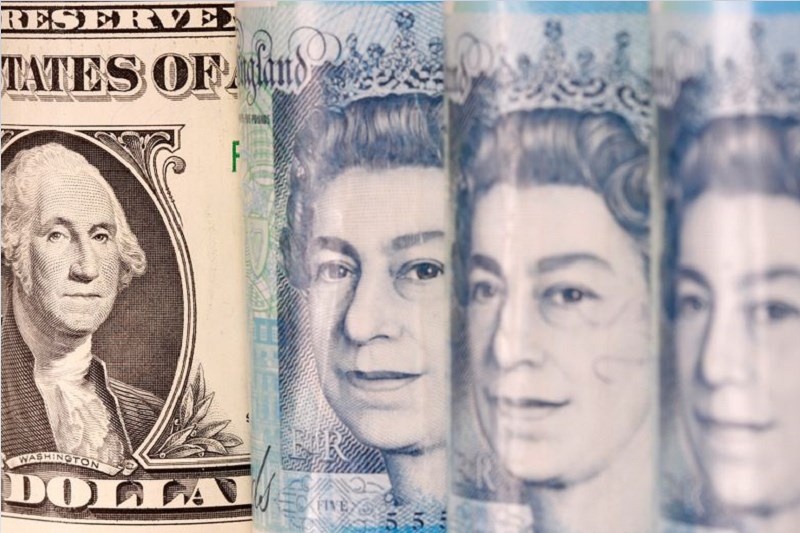
Risk assets rallied after Iran signalled the Strait of Hormuz could reopen and reports suggested Washington and Tehran are close to a one-page memorandum easing nuclear tensions. Sterling rose 0.42% to 1.3615 and the euro gained 0.53% to 1.1755 versus the dollar, while oil prices fell sharply on hopes of de-escalation. Markets are now focused on U.S. EIA inventories, with expectations for a 2.4 million barrel draw and potential for a reversal if the draw is larger.
The immediate market reaction looks like a classic geopolitical de-risking trade unwinding, but the more important signal is that the market is pricing a lower probability of a supply shock before it has fully priced in the probability of a policy backtrack. If the Strait of Hormuz remains functionally open, the biggest beneficiary is not just crude-importing cyclicals; it is every rate-sensitive asset that has been trading as if energy inflation would re-accelerate into the summer. That creates a short-lived but broad repricing tailwind for duration, European FX, and low-margin industrials.
The second-order issue is that this is a headline-sensitive regime, not a resolved regime. A one-page understanding, even if real, leaves ample room for enforcement disputes, sanctions ambiguity, and renewed escalation over weeks rather than months. That makes front-end realized volatility in oil more attractive than outright direction: the market can gap lower on diplomatic optimism, but the asymmetry remains to the upside if any shipping incident or policy reversal hits while positioning is crowded short crude.
For ING, the more durable implication is that the rate and FX complex may be underestimating how quickly a temporary risk-on move can fade if U.S. data or inventory numbers reinforce tighter-for-longer policy. A benign oil print plus softer macro data would extend the dollar selloff; a tight EIA draw would likely re-anchor inflation expectations and snap the move back. In other words, the current move is vulnerable to a two-factor reversal: either geopolitics re-escalates, or macro data reintroduces the inflation bid.
The equity angle is subtle: the AI-computing winners named in the article remain structurally insulated, but they are now trading against a lower-energy-cost backdrop that helps multiples more than fundamentals. That means any dip in high-beta AI names on a temporary rate spike should be bought, while the cleaner short is the basket of European energy-intensive exporters that were implicitly supported by cheap growth expectations and are now being repriced on FX relief rather than earnings revision. The market is still early in distinguishing between tactical disinflation and durable demand improvement.
AI-powered research, real-time alerts, and portfolio analytics for institutional investors.
Request DemoOverall Sentiment
mildly positive
Sentiment Score
0.40
Ticker Sentiment
