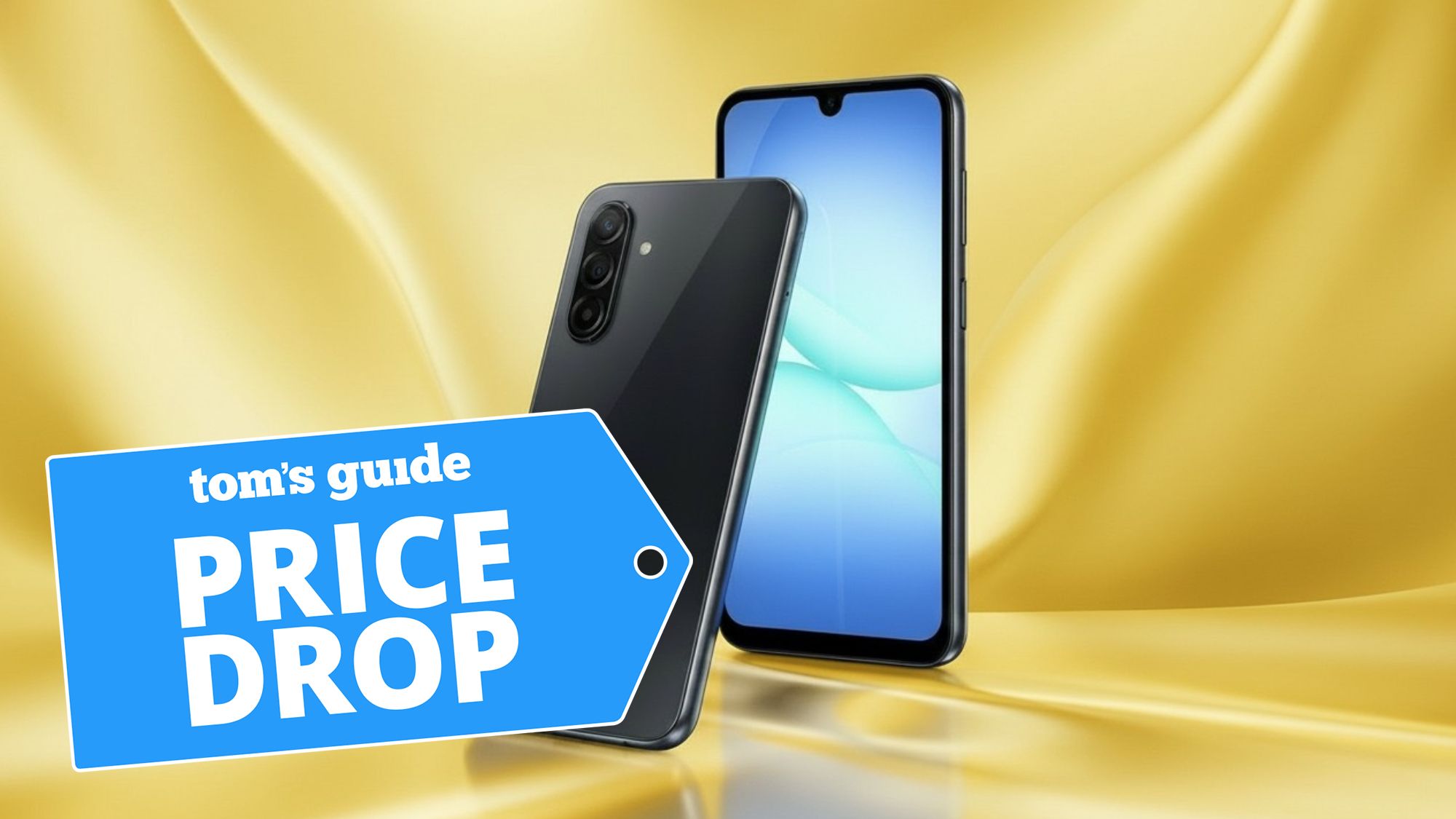
Metro by T-Mobile is running a limited-time promotion offering the Samsung Galaxy A17 5G for free to customers who port their number and sign up for the carrier's unlimited plan with auto-pay (article references $60/month and elsewhere $50/month plans). The Galaxy A17 5G is a budget Samsung handset with a 6.7-inch AMOLED 2340x1080 display, Exynos 1330 CPU, 128GB storage (expandable via microSD to 2TB), a 50MP main rear camera, 13MP front camera and a 5,000mAh battery, and Samsung promises six years of major Android/security updates. The promotion is a customer-acquisition pricing tactic by Metro (a T-Mobile brand) that may modestly improve subscriber adds and device uptake in the low-end smartphone segment but is unlikely to materially move public markets.
Market structure: This promotion benefits Metro (T-Mobile’s prepaid brand) and T-Mobile US (TMUS) by lowering customer acquisition friction via port-in subsidies; expect a modest sequential uptick in prepaid net adds over the next 1–3 months and downward pressure on device ASPs for Samsung (SSNLF). Competitors with exposed prepaid franchises (Verizon VZ, AT&T T) face incremental churn risk in the same timeframe as price-matching escalates and margin compression spreads through service bundles. The supply signal is twofold: either Samsung is clearing inventory (negative for near-term OEM ASPs) or aggressively subsidizing to grow service revenue (neutral-to-positive for TMUS service margins if retention holds). Cross-asset: telecom credit spreads could widen 10–30bps if sustained subsidy-driven margin hits materialize; implied vols on TMUS/SSNLF options should tick up around earnings/subscriber releases; FX/commodities impact is immaterial. Risk assessment: Tail risks include regulatory scrutiny of port-for-device inducements, fraud-driven chargebacks, or a competitor price war forcing deeper subsidies; each could shave 50–150bps off TMUS EBITDA margin within 2–4 quarters. Immediate (days) effects are promotional sign-ups and tracking port-in rates; short-term (weeks–months) are ARPU and churn moves; long-term (quarters–years) are lifetime value and brand migration. Hidden dependencies: resale/used-phone channel absorption and servicification elasticity (how many promos convert to lasting ARPU). Catalysts: monthly port-in metrics, Samsung inventory disclosures, and major carrier responses. Trade implications: Construct small, hedged directional exposure: favor TMUS net-long if port-in lift >50–100k/month with 3-month protective puts; put spreads on SSNLF hedge OEM ASP risk over 3–6 months. Pair trades (long TMUS / short VZ) exploit relative prepaid strength; consider buying 1–3 week straddles around TMUS subscriber releases to capture event volatility. Rotate modest weight away from device OEM exposure into telecom services and subscription-heavy operators if ARPU holds for two consecutive quarters. Contrarian/risks missed by consensus: The market may underweight the margin erosion risk—free-device promotions can lower lifetime revenue per sub by $30–$80 over 24 months if churn increases just 1–2ppt. Historical parallel: prior budget-phone clearance promos compressed OEM margins for 2–3 quarters while amplifying carrier churn volatility. Unintended consequence: aggressive subsidies can boost short-term net adds but raise capitalized subsidy receivables and bad-debt risk; close positions if ARPU down >$1 or TMUS churn up >1ppt sequentially.
AI-powered research, real-time alerts, and portfolio analytics for institutional investors.
Request DemoOverall Sentiment
mildly positive
Sentiment Score
0.30
Ticker Sentiment
