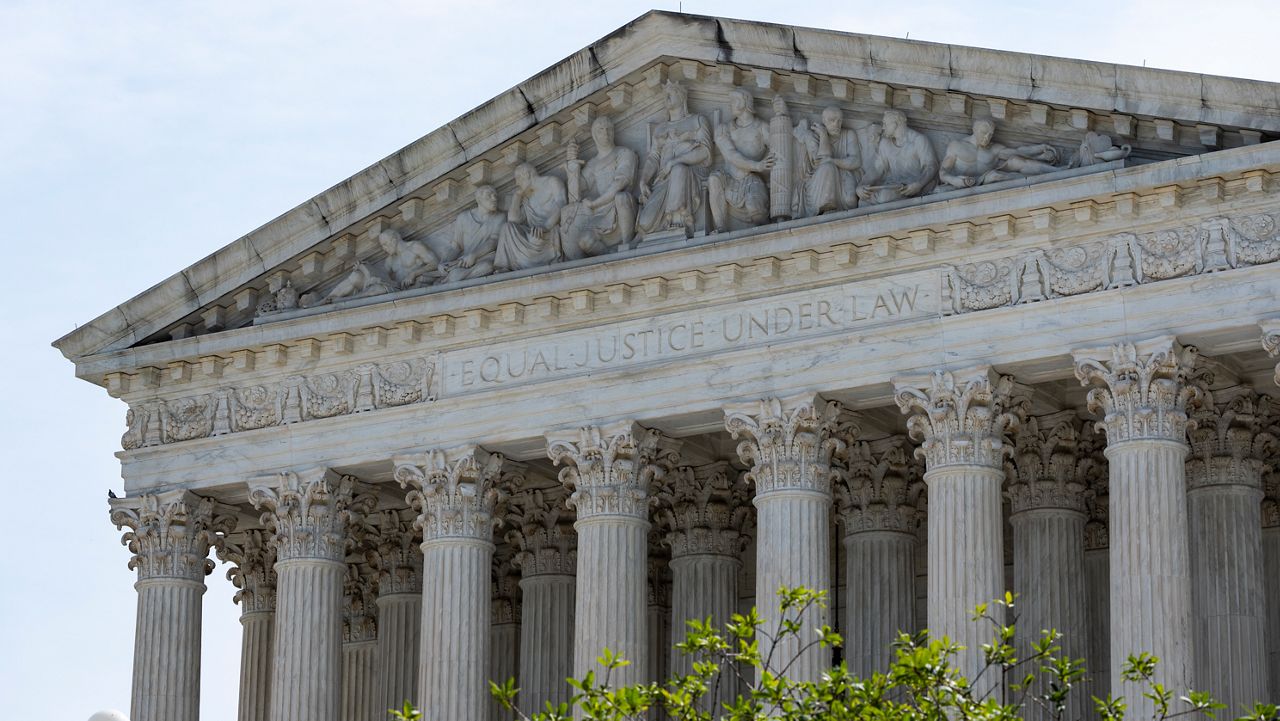
Board game company Cephalofair reports significant financial and operational strain from 30% tariffs on Chinese-made goods, having paid over $140,000 in three months, resulting in furloughs, job cuts, and concerns over potential tariffs exceeding 100% impacting holiday season inventory. This situation, which has led to other industry closures, underscores broader business challenges and coincides with an impending Supreme Court hearing on the legality of the President's tariff authority under the International Economic Emergency Powers Act, a use of power questioned by legal experts but defended by the administration as a critical diplomatic tool.
Board game manufacturer Cephalofair is experiencing significant operational and financial distress due to the 30% tariffs on Chinese-made goods, having incurred over $140,000 in tariff costs in the last three months alone. This burden has led to staff furloughs, job elimination, and reduced salaries, with the COO himself on reduced pay since April. The company notes these tariffs now exceed the cost of shipping a 40-foot container from their manufacturer, indicating a substantial increase in cost of goods sold. The broader industry faces similar challenges, with other game companies like Amigo Games reportedly shuttering operations due to tariff pressures. Cephalofair, which derives 75% of its business from the U.S. market, is particularly vulnerable to further escalation, especially with warnings of potential tariffs exceeding 100%. This uncertainty has already forced the company to arrange long-term storage for a recent $70,000 print run destined for the U.S. market, severely impacting holiday season inventory and cash flow. Adding to the instability, the Supreme Court is set to hear arguments on the legality of the President's use of the International Economic Emergency Powers Act for tariffs. While legal experts like Professor Leslie Jacobs question the President's authority, citing unprecedented application for tariffs, the current Supreme Court's track record suggests a potential for upholding executive actions. President Trump defends tariffs as a critical diplomatic and economic tool, emphasizing their role beyond mere revenue generation.
AI-powered research, real-time alerts, and portfolio analytics for institutional investors.
Overall Sentiment
strongly negative
Sentiment Score
-0.75
