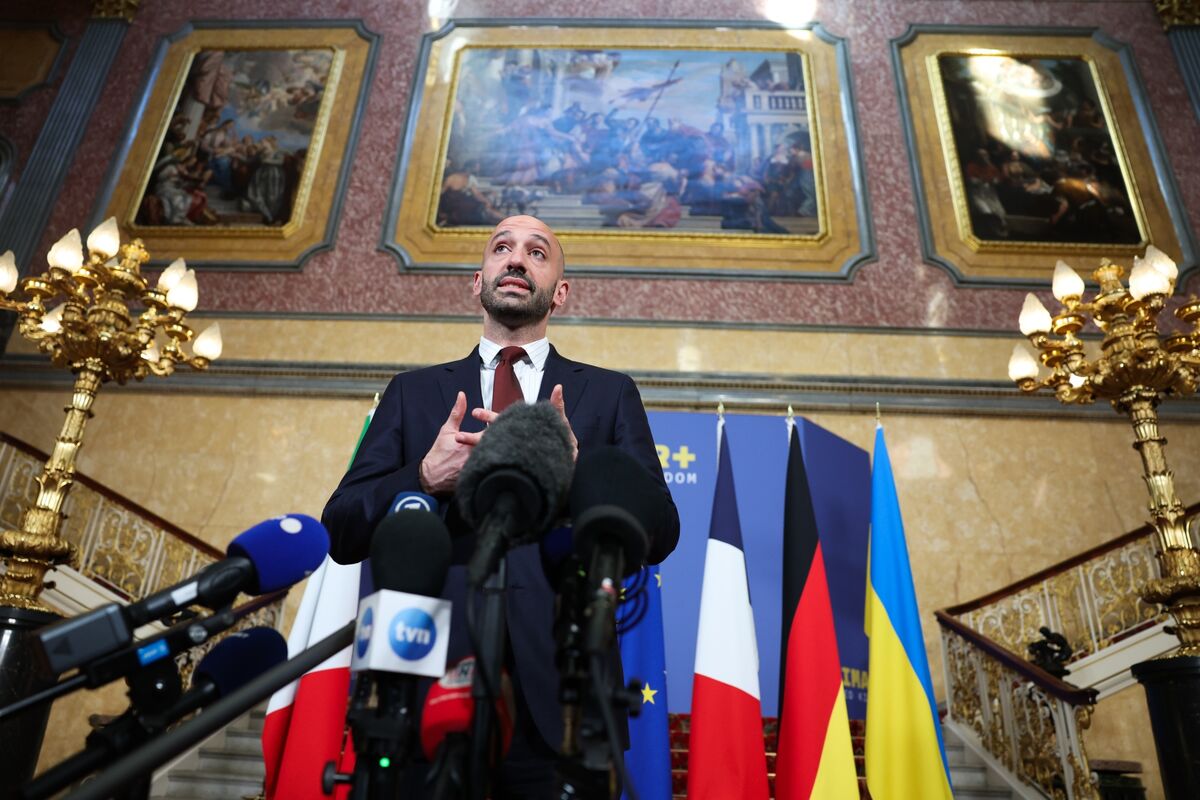
European Union member states, led by France and supported by over half a dozen capitals, are preparing to activate the bloc's powerful 'anti-coercion instrument' in response to US President Trump's threat of 30% tariffs on the EU by August 1st. This tool grants Brussels broad powers for retaliatory action, potentially including new taxes on US tech giants or targeted curbs on US investments within the EU, signaling a significant escalation in transatlantic trade tensions.
Transatlantic trade tensions are escalating significantly, with a growing coalition of European Union member states, led by France, preparing to activate a powerful 'anti-coercion instrument' against the United States. This defensive posture is a direct response to a threatened 30% US tariff on EU goods, with a stated deadline of August 1. The EU's potential retaliatory measures are broad and potent, including the possibility of new taxes on US technology giants and targeted curbs on American investments within the bloc. The high market impact score of 0.8 and strongly negative sentiment of -0.7 signal that markets perceive this as a credible threat, moving beyond previous rhetoric. The coordinated nature of the EU's response suggests a lower tolerance for US trade pressure and a higher probability of a tit-for-tat escalation, introducing substantial uncertainty for companies operating across the US-EU economic corridor.
AI-powered research, real-time alerts, and portfolio analytics for institutional investors.
Request DemoOverall Sentiment
strongly negative
Sentiment Score
-0.70
