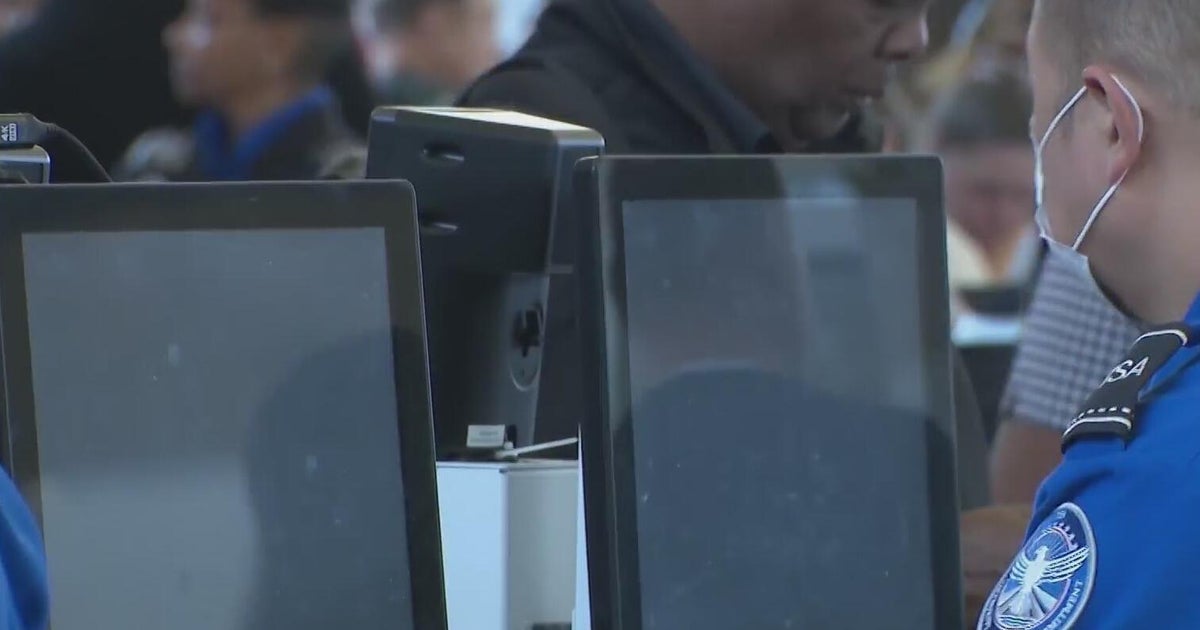
The DHS shutdown enters its second month and will become the second-longest in U.S. history on Friday, leaving TSA, Coast Guard and FEMA unfunded while ICE remains funded. The impasse—Senate Democrats voted against prior funding proposals and 60 votes are required in the Senate to restore DHS—has produced growing TSA checkpoint lines at Texas airports and heightened political confrontation. Expect localized operational and travel disruption risk to airports and airlines, but limited direct market impact absent escalation to broader federal services or geopolitical shocks.
Checkpoint friction cascades into discrete, tradable demand shifts: short-haul, convenience-focused carriers (high-frequency, point-to-point networks) face the largest elasticity hit over the next 4–8 weeks as marginal travelers reallocate to driving or defer trips; legacy carriers with higher business-travel mix will be relatively insulated and can widen yields on fewer seats. Airport retail and concession revenues are a second-order victim — a sustained 3–7% drop in throughput for 1–2 quarters would compress 2024 EBITDA for concession-heavy terminal owners and service providers, while fixed-cost airport operators absorb most of the shock.
Government services and security-equipment suppliers sit on convex optionality around any legislative resolution: a funding rollback that persists into the next quarter meaningfully delays contract payments and onboarding (negative cash flow for mid-cap contractors), whereas a quick patch would reaccelerate revenue recognition and backlog conversion within 30–90 days. The political catalyst pathway is asymmetric — a high-profile incident or an administratively acceptable compromise could flip street positioning in a week, while entrenched legislative stalemate could drag damage into multiple quarters.
Consensus is pricing near-term pain as binary and permanent; that overstates structural downside. Travel demand is sticky and historically rebounds once operational confidence is restored, so tactical shorts on consumer travel names have limited runway unless the stalemate extends beyond 90 days. Conversely, quality government contractors with DHS/FEMA exposure are under-owned on an event-driven time horizon and offer asymmetric upside if funding is restored or if stopgap measures are approved.
AI-powered research, real-time alerts, and portfolio analytics for institutional investors.
Request DemoOverall Sentiment
mildly negative
Sentiment Score
-0.25
