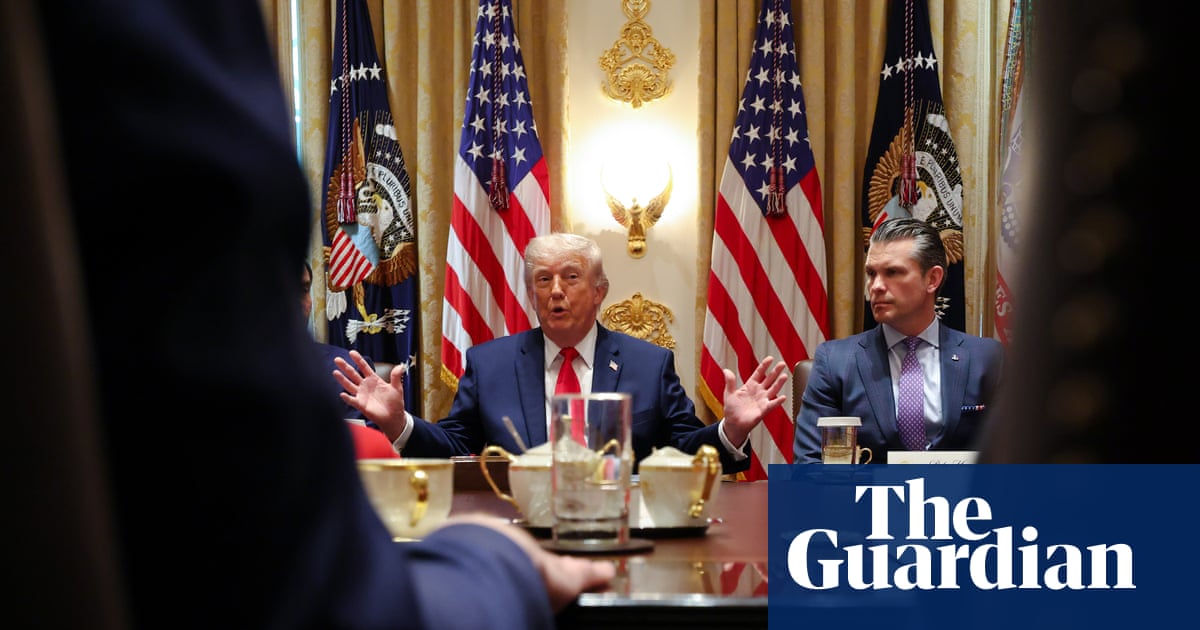
Trump said Iran is trying to run down the clock until the November U.S. midterm elections to secure a better deal, while warning that any stalling tactic would fail. The comments come amid peace talks in limbo and heightened concern around the Strait of Hormuz, a critical chokepoint for global oil flows. The rhetoric raises geopolitical risk and could support crude prices and broader risk-off sentiment if tensions escalate.
The market implication is less about the headline itself and more about the probability distribution of outcomes around the Strait of Hormuz. Even a low-probability closure scenario carries outsized second-order effects because energy is the transmission mechanism into inflation expectations, rates volatility, and risk premia; the first trades to respond are typically crude, tanker insurance, freight, and then broader cyclicals. The hawkish signaling also raises the odds that any negotiation failure gets reframed as a domestic political win/loss test, which reduces the market’s confidence in a quick diplomatic off-ramp.
The asymmetric winner set is upstream energy, select defense, and alternative logistics/exposure names rather than broad equities. Large-cap integrated producers benefit less than higher-beta shale because the market tends to re-rate optionality fastest when geopolitical risk is front-page and not yet reflected in spot balances. On the loser side, airlines, chemical producers, and industrials with poor pass-through will see margin pressure if the market starts pricing even a modest sustained oil spike; the effect can show up before physical supply is disrupted via higher forward curves and inventory hedging costs.
The key catalyst window is days to weeks, not months: headlines can move oil 5-10% quickly, but the more durable move requires either evidence of shipping disruption or a failed diplomatic channel. A useful contrarian lens is that the administration may be using maximalist rhetoric as a bargaining tactic, which means the first impulse in crude can reverse sharply if any verification mechanism or third-party mediation appears. That creates a good setup for convexity rather than outright beta exposure: the market is likely underpricing tail risk in options but may be overpricing persistence in spot if no actual disruption follows.
AI-powered research, real-time alerts, and portfolio analytics for institutional investors.
Request TrialOverall Sentiment
mildly negative
Sentiment Score
-0.15
