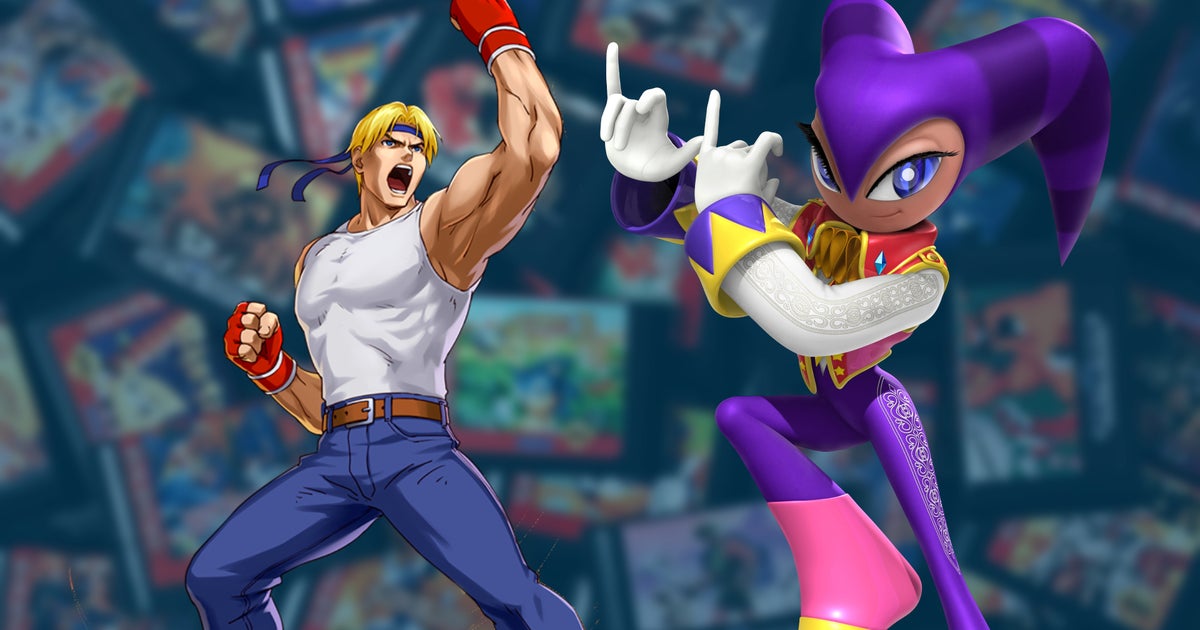
Sega announced a 2026 'Sega Universe' anniversary program covering multiple legacy franchises, including Outrun (40th), Streets of Rage (35th), NiGHTS (30th), and SGGG (25th). The company did not confirm new game releases, leaving open the possibility of merch, cross-media projects, or DLC rather than full titles. The initiative is supportive of brand engagement, but the market impact is likely limited without concrete product announcements or financial details.
This is less a product-launch catalyst than a low-cost option on monetizing legacy IP. The market should treat it as a signal that Sega is increasingly willing to harvest the back catalog through remasters, licensing, merch, and cross-media rather than relying solely on expensive AAA development; that path tends to improve ROIC because it monetizes existing fan equity with materially lower execution risk. The second-order effect is that any meaningful success likely comes from breadth, not a single blockbuster release: multiple small revenue streams can reset the valuation framework for the catalog over 12-24 months even if no headline game is announced.
The competitive angle is more interesting than the nostalgia angle. If Sega leans into animation, mobile, or streaming tie-ins, the incremental beneficiary is the IP owner/operator model, not traditional console hardware vendors; that creates a relative advantage versus publishers with weaker dormant libraries or more development-heavy pipelines. The risk is that the campaign overpromises and underdelivers again, which would mainly cap sentiment and keep the stock in a range until there is proof of conversion in bookings or operating margin. In other words, this is a credibility trade first and a content trade second.
The market is probably underpricing the optionality embedded in dormant franchises because it is anchoring on 'no new mainline game' rather than the monetization stack that can sit around it. The right framing is that even modest attach rates from DLC, limited-run collectibles, subscription library refreshes, and licensing can be accretive if acquisition costs are low. But if the initiative stays purely promotional, the catalyst decays quickly; the real read-through will be within one to two quarters when management either translates the campaign into revenue or quietly pivots away.
AI-powered research, real-time alerts, and portfolio analytics for institutional investors.
Request DemoOverall Sentiment
mildly positive
Sentiment Score
0.15
