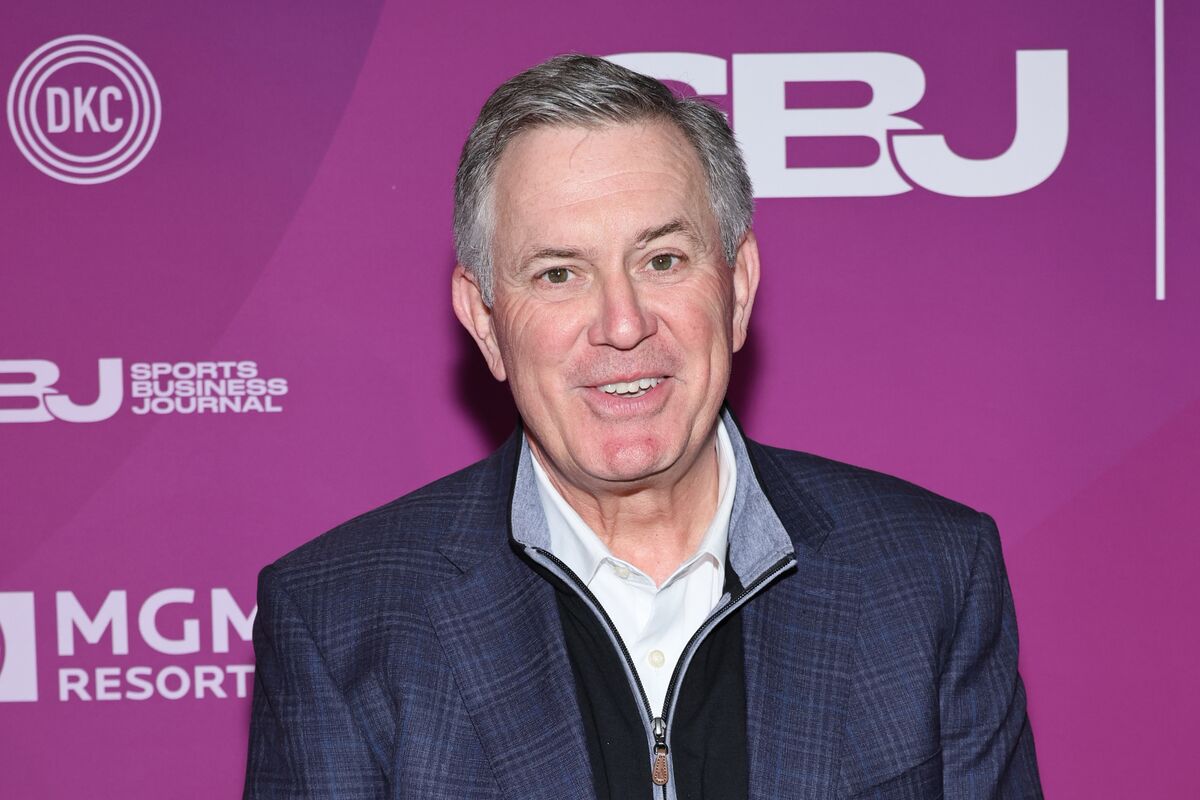
President Donald Trump granted a pardon to longtime sports and entertainment executive Tim Leiweke, the former CEO of Oak View Group, who was criminally charged in July with bid‑rigging tied to the development of a University of Texas arena. The Justice Department posted a notice dated Dec. 2; the pardon is notable because the charges were brought under Trump’s own administration only months earlier. The action has legal and governance implications for parties involved in large venue development and underscores continued use of presidential clemency in high‑profile corporate prosecutions.
Market structure: The pardon is a governance signal more than a macro shock — direct winners are private executives, politically-connected venue developers and contractors (marginally lower probability of prosecution), while governance-focused funds and plaintiffs’ litigators see diminished near-term leverage. Expect a small re-pricing: idiosyncratic revenue/contract probability for affected arena projects could move ~+1–3% to EBITDA for contractor/venue owners over 6–18 months if contracts proceed without legal interruption.
Risk assessment: Tail risks include a bipartisan backlash that triggers stricter oversight or retroactive reviews (low probability, high impact) and potential civil suits that continue despite the pardon; these could widen D&O insurance spreads and municipal issuer yields by 10–50bps over 3–12 months. Hidden dependency: local politics (Texas university boards, state procurement rules) will drive execution risk; next 30–90 days of contract awards are critical catalysts.
Trade implications: Tactical trades should be small, conviction-weighted, and event-driven — favor long exposure to listed venue operators/landlords and engineering firms with arena backlog while hedging governance risk. Use directional equity with defined-risk options: 3–12 month call spreads to capture limited upside if projects restart, and cheap, short-dated puts as insurance against policy backlash. Size positions small (0.5–2% NAV each) and set concrete stop-loss/target rules.
Contrarian angles: Consensus will underweight the political externality — if enforcement becomes perceived as idiosyncratic, pricing of politically-dependent projects will compress, benefiting select contractors; conversely, if markets overweight rule-of-law deterioration, high-quality defensive names (consumer staples, investment-grade muni funds) can be short-term shorts. Watch for DOJ guidance and Texas procurement timelines in next 30–60 days as the true discriminator of outcome.
AI-powered research, real-time alerts, and portfolio analytics for institutional investors.
Request DemoOverall Sentiment
neutral
Sentiment Score
0.00
