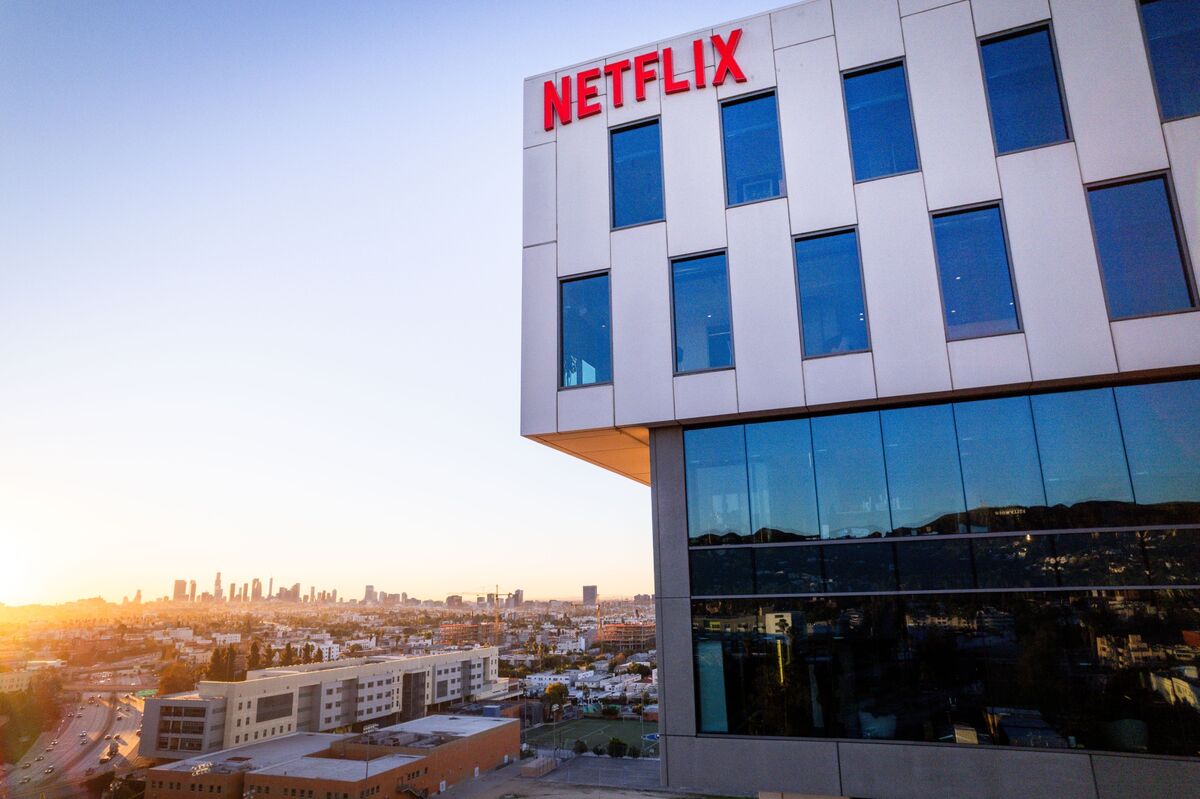
Netflix has agreed to buy the streaming and studio assets of Warner Bros. Discovery in a roughly $72 billion transaction that would be Netflix’s first large-scale acquisition and fold one of Hollywood’s largest studios into the service. With Netflix already serving over 300 million subscribers, the deal would materially reshape the competitive landscape of streaming and film production, but it remains subject to regulatory approval and potential antitrust scrutiny that could affect timing and terms.
Market structure: Netflix (NFLX) becomes an incumbent with vastly increased content ownership and unilateral distribution control, likely raising its effective pricing power across 300M+ subs and reducing available A-list theatrical/windowed content for rivals. Winners: NFLX, content monetization via global SVOD and library-driven margins; Losers: independent streamers, licensors, and theatrical distributors that lose negotiating leverage. Cross-asset: expect WBD credit spreads to widen near-term, NFLX implied vols to spike, and USD corporate debt issuance to increase as NFLX finances the deal.
Risk assessment: Key tail risks are a successful antitrust suit (DOJ/FTC) within 6–18 months forcing divestitures or remedies, and financing stress if capital markets tighten (S&P downgrade or >$20–30B incremental debt raises). Immediate (days) volatility and takeover accounting; short-term (weeks–months) regulatory filings and financing taps; long-term (2–5 years) integration execution and subscriber churn risks. Hidden dependencies include legacy WBD pension/liability overhangs and international distribution contracts that could trigger change-of-control payouts.
Trade implications: Direct tactical plays favor defined-risk NFLX long exposure (12–18 month call spreads) to capture synergy upside while hedging regulatory drag; consider short positions in Disney (DIS) and Comcast (CMCSA) to express licensing revenue compression for competitors over 6–12 months. Credit: selectively buy WBD bonds if spreads >300bps over Treasuries with expectation of creditor-friendly treatment in a takeover; use puts on NFLX or buy VIX-tail hedges around major regulatory milestones.
Contrarian angles: Consensus underrates the probability and impact of structural remedies — remedies could force carve-outs that destroy acquirer economics, repeating AOL–TimeWarner–style value destruction. Market may be overpricing NFLX synergies and underpricing integration and legacy liabilities; therefore prefer option-defined upside rather than outright concentrated equity exposure and watch for a 20%+ downside scenario if regulators prevail.
AI-powered research, real-time alerts, and portfolio analytics for institutional investors.
Request DemoOverall Sentiment
neutral
Sentiment Score
0.00
Ticker Sentiment
