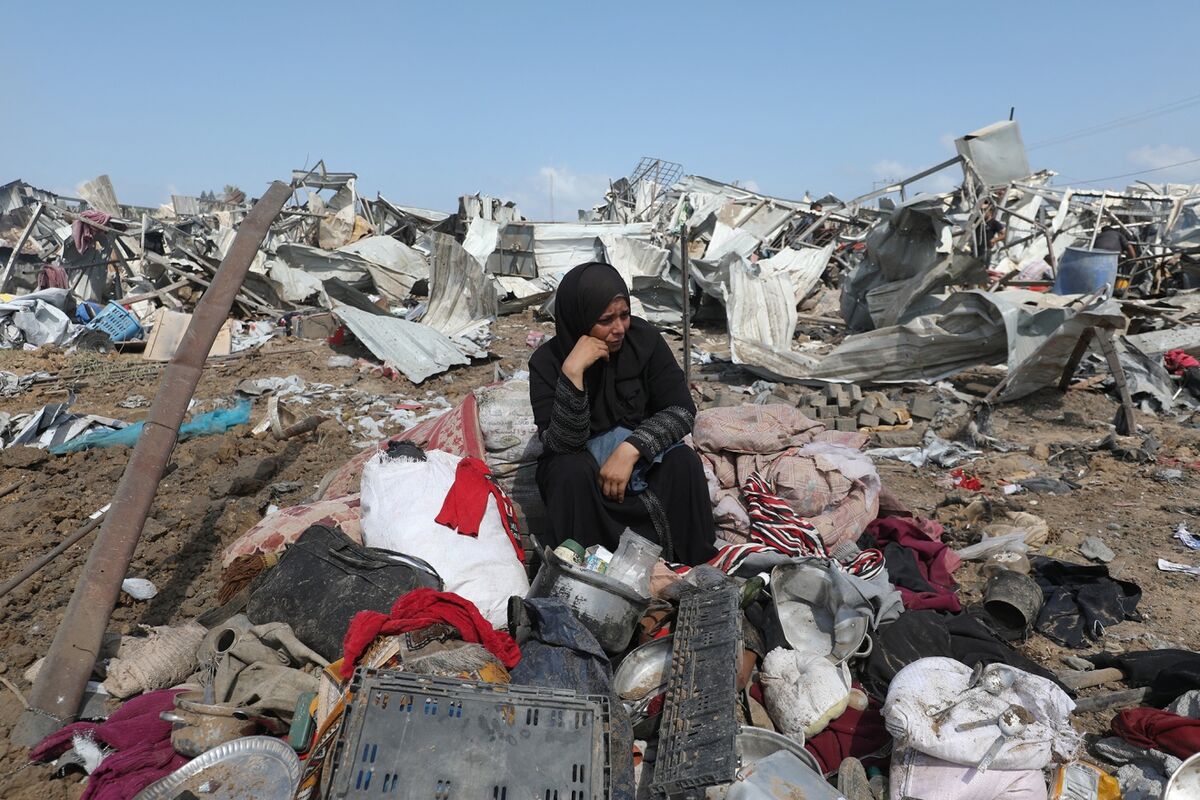
Slovenian Foreign Minister Tanja Fajon has publicly criticized the European Union, accusing it of a double standard by failing to impose "a single real measure" against Israel for alleged violations of international law and "genocidal acts" in Gaza, even as it pursues additional sanctions against Russia. This highlights growing internal diplomatic friction within the EU regarding its foreign policy consistency and response to international conflicts.
Slovenia's public accusation of a European Union double standard, as articulated by Foreign Minister Tanja Fajon, highlights growing internal diplomatic friction within the bloc. By contrasting the EU's pursuit of sanctions against Russia with its failure to impose a 'single real measure' against Israel—whose actions in Gaza were labeled 'clear genocidal acts'—Slovenia exposes a potential fissure in the EU's united foreign policy front. While the immediate market impact of this statement from a smaller member state is assessed as low, it serves as a significant indicator of political strain. This dissent could complicate future EU decision-making on international conflicts, potentially leading to policy paralysis or unpredictable shifts, thereby increasing geopolitical uncertainty for assets exposed to EU foreign policy.
AI-powered research, real-time alerts, and portfolio analytics for institutional investors.
Request DemoOverall Sentiment
neutral
Sentiment Score
0.00
