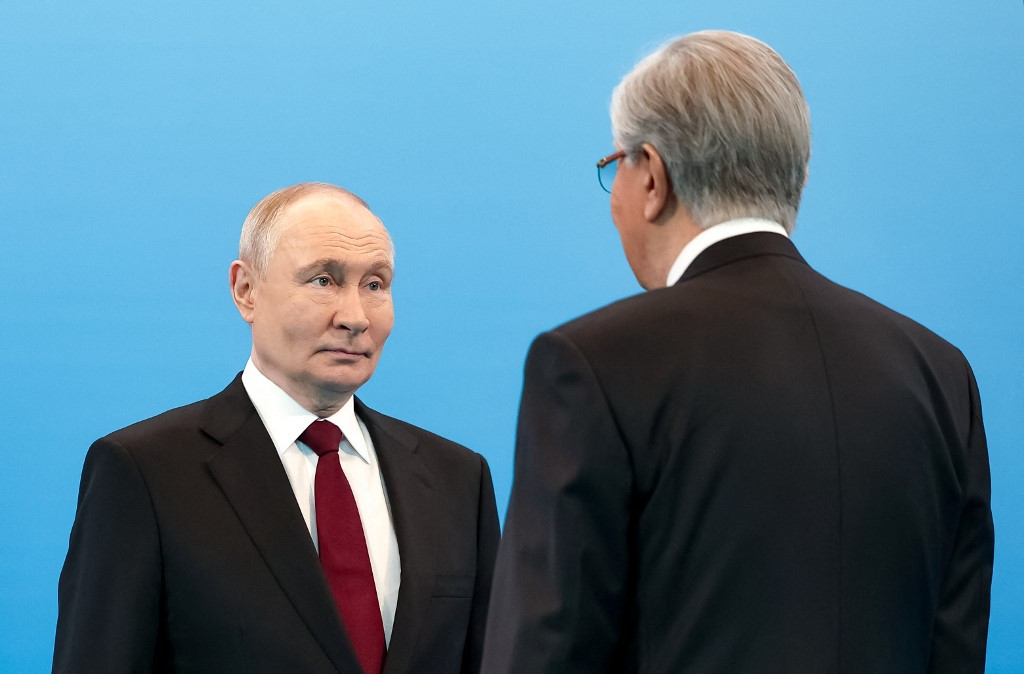
Putin’s Central Asia visit produced few substantive gains, with Kazakhstan resisting Kremlin pressure on trade and labor while preserving alternative East-West transit routes. The article highlights Russia’s weakening leverage in the former Soviet space and rising tensions with Armenia, where Moscow is reportedly trying to influence the June 7 election and slow Yerevan’s westward pivot. The main implications are geopolitical and regional trade-related rather than a direct market catalyst.
The key market implication is not the optics of Putin’s trip, but the accelerating degradation of Russia’s coercive toolkit across the former Soviet space. If Central Asian states continue routing trade westward and resisting labor dependence, Moscow loses two of its most durable leverage points: transit chokepoints and migrant remittance plumbing. That weakens the investment case for any Russia-centric regional logistics thesis and incrementally improves the bargaining power of alternative corridors through the South Caucasus and Caspian basin.
Armenia is the sharper catalyst because the timing is electoral and binary. A Pashinyan win would likely trigger a multi-quarter repricing of Armenia’s strategic assets: rail, telecom, utilities, and banks with Russian ownership or Russian revenue exposure become vulnerable to policy review, asset leakage, and regulatory friction. The second-order effect is broader than Armenia alone: if Yerevan normalizes ties with Azerbaijan and Turkey, it strengthens an emerging East-West trade spine that reduces reliance on Russian transit, which is structurally bearish for Russian logistics, customs-related rents, and regional energy leverage.
The tail risk is a Kremlin escalation campaign around the June vote, including disinformation, elite pressure, or a market-disruptive border/security incident designed to re-anchor Armenian politics. That means the next 2-6 weeks carry event risk, but the more durable trade is over 6-18 months: even a successful interference effort may only delay, not reverse, Armenia’s diversification if public sentiment hardens against Moscow meddling. Consensus may be underestimating how much Russian overreach can become self-defeating in smaller states, where the perception of coercion can accelerate exactly the Western pivot Moscow is trying to stop.
AI-powered research, real-time alerts, and portfolio analytics for institutional investors.
Request TrialOverall Sentiment
moderately negative
Sentiment Score
-0.45
