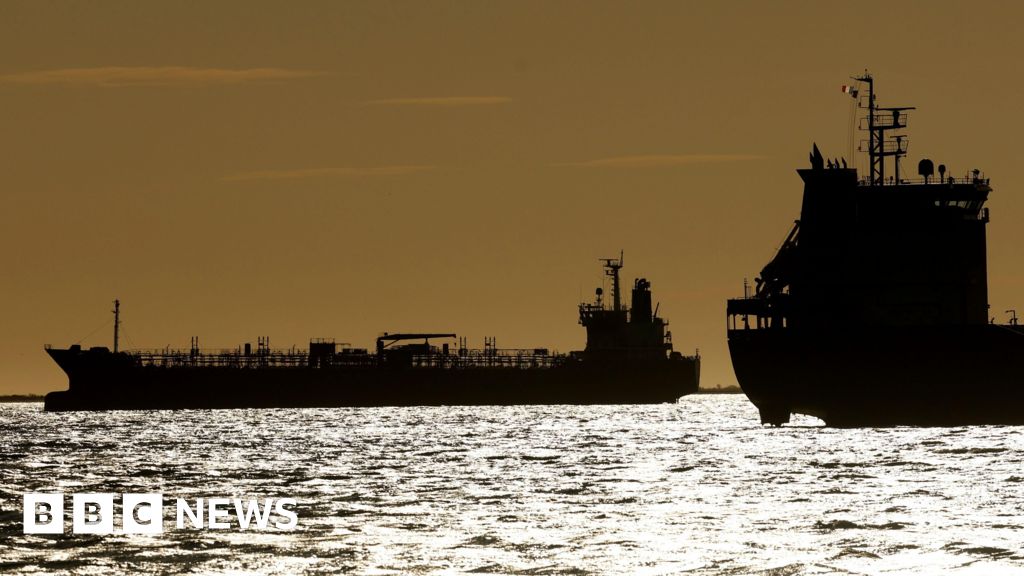
Treasury Secretary Scott Bessent floated waiving US sanctions on roughly 140 million barrels of Iranian oil currently at sea, which he said could lower global prices for about 10–14 days. Analysts caution the effect would likely be limited relative to ~100m bpd global demand and amid estimates the war has removed ~10% of supply, while warning the move risks sending funds to Iran and provoking political backlash. The proposal follows other US steps to boost supply (reserve releases, partial Russia sanction relief) and amplifies near-term uncertainty for energy markets and shipping through the Strait of Hormuz.
The administration signalling a targeted sanctions waiver is more a volatility- and signaling event than a pure supply shock — the marginal barrels under discussion are small versus daily demand but they remove tail-risk premia tied to embargo enforcement. Markets will likely treat any waiver as a temporary risk-reduction on shipping/availability, compressing the geopolitical convenience yield within days but leaving structural upside if physical flows or infrastructure are impaired.
The biggest second-order beneficiaries are the balance-sheet players who clear, transport and insure sanctioned flows: large commodity traders, tanker owners and banks that process documentary trade. Formal waivers reduce operational frictions (insurance, P&I acceptances, banking rails), which can both increase short-term liquidity in oil markets and permanently raise the opacity of sanction enforcement — boosting revenues for intermediaries even if headline prices move modestly.
Political feedback risk is asymmetric and rapid: congressional blowback or allied objections could trigger a reversal or new restrictions within weeks, producing sharp whipsaws in price and implied volatility. That creates a time-limited window for directional plays and a longer-duration regime change risk (months–years) if infrastructure or regional capacity is damaged, which would lift prices persistently and benefit integrated producers.
Operationally, expect freight and insurance markets to reprice faster and more durably than refinery margins — rerouting and risk premia show up first in charter rates and P&I spreads. Trade strategies should therefore separate short-dated geopolitical premium trades (days–weeks) from longer-term structural exposure to sustained supply loss (months–years).
AI-powered research, real-time alerts, and portfolio analytics for institutional investors.
Request DemoOverall Sentiment
mildly negative
Sentiment Score
-0.25
Ticker Sentiment
