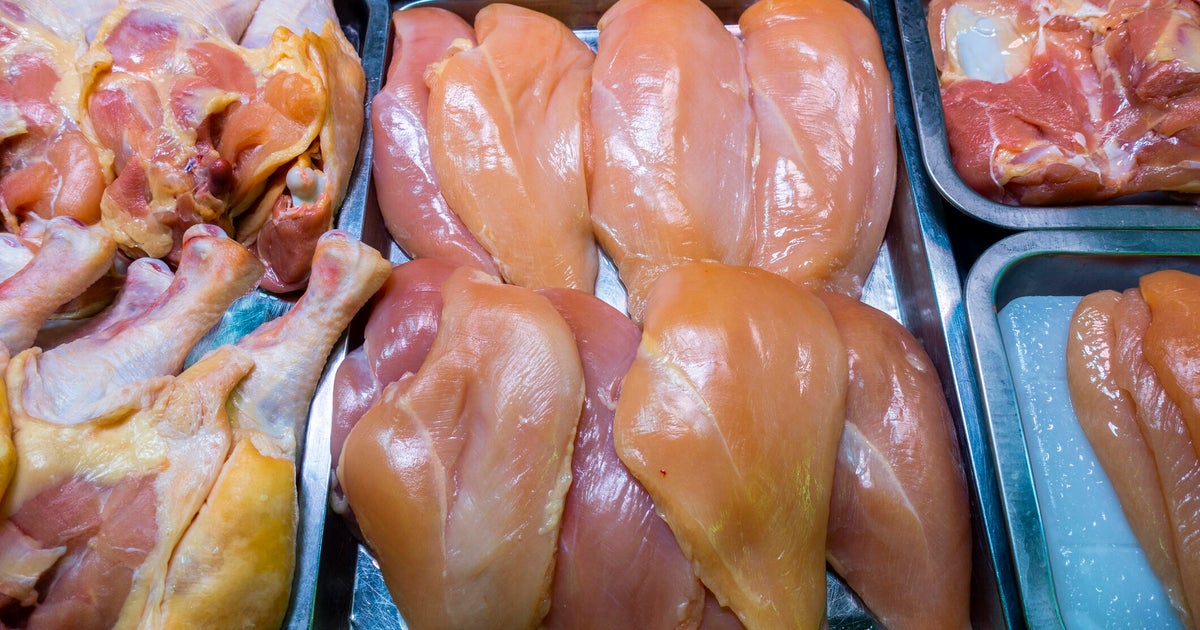
A recent four-year study published in mBio journal revealed that nearly 18% of urinary tract infections (UTIs) in a Southern California patient group were linked to E. coli strains originating from contaminated meat, predominantly turkey and chicken. Researchers suggest this public health concern, which disproportionately impacts low-income communities, may be widespread across the U.S., reframing UTIs as a significant food safety issue. The findings underscore the potential need for enhanced food safety regulations, improved retail practices, and increased consumer vigilance in handling raw meat to mitigate infection risks.
A recent four-year study published in mBio journal reclassifies urinary tract infections (UTIs) as a significant food safety concern, revealing that nearly 18% of UTIs in a Southern California patient group were linked to E. coli strains from contaminated meat. The study specifically identified turkey and chicken as the meats most commonly testing positive for E. coli, followed by pork and beef, suggesting a systemic issue beyond individual hygiene practices. This finding challenges the traditional view of UTIs as solely a personal health matter, indicating potential widespread implications across the United States. The research further highlights a critical social determinant of health, noting that individuals in low-income areas faced a 60% higher risk of foodborne UTIs. This disparity is attributed to factors such as inadequate food safety regulations, poor retail conditions, and improper food handling, underscoring potential ESG risks and the need for greater investment in public health research. The moderately negative sentiment and cautious tone surrounding this news, coupled with its classification under 'Regulation & Legislation' and 'Commodities & Raw Materials,' suggest a growing awareness of systemic vulnerabilities within the food supply chain. While no specific tickers are identified, the implications extend to meat producers, food retailers, and regulatory bodies. The study's call for stricter measures and increased consumer caution points to potential future shifts in regulatory oversight and consumer demand for safer food products. This could lead to increased compliance costs for producers and retailers, alongside opportunities for companies specializing in food safety technologies.
AI-powered research, real-time alerts, and portfolio analytics for institutional investors.
Request DemoOverall Sentiment
moderately negative
Sentiment Score
-0.60
