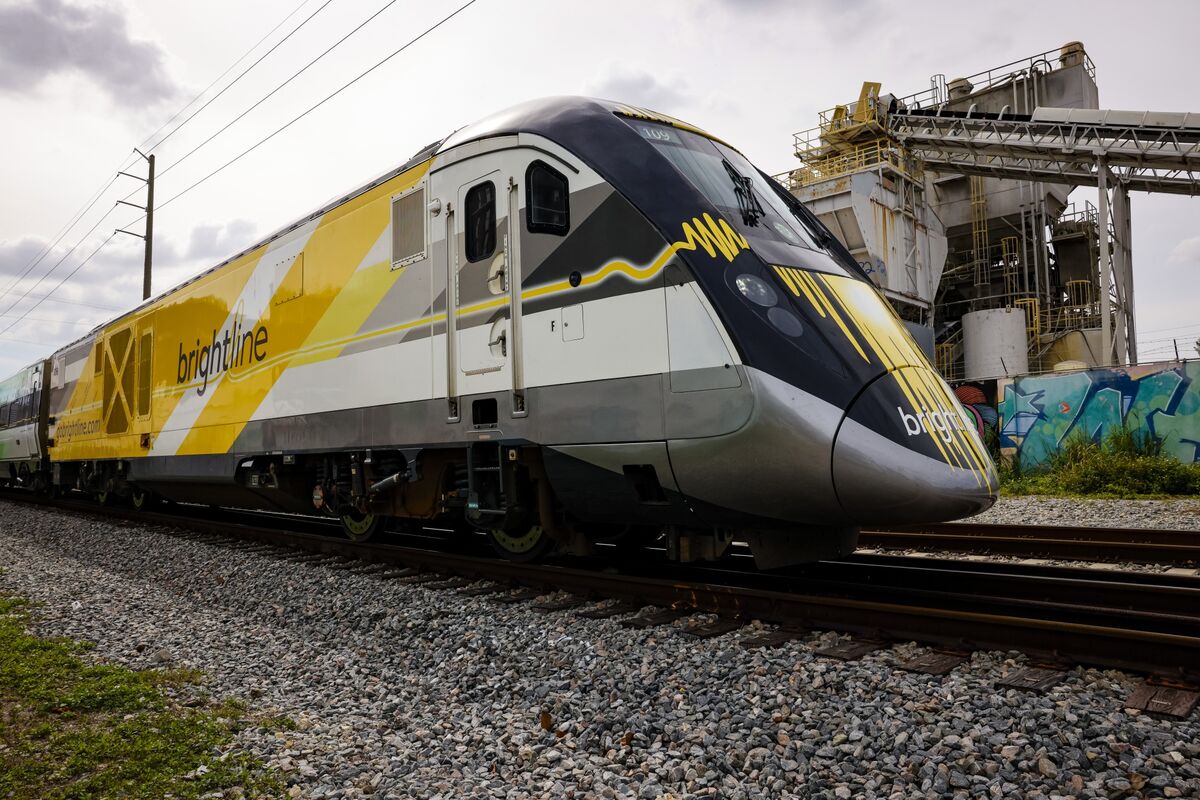
Brightline Trains Florida secured a two-week extension on a debt payment tied to $985 million of municipal bonds, pushing the due date to the end of the month. Bondholders also waived a default related to a new $22.2 million borrowing made without their consent. The deal signals ongoing liquidity pressure at the $6 billion private rail operator, though it avoids an immediate payment default.
This is less about a single missed payment and more about the erosion of negotiating leverage ahead of a larger restructuring. A short extension buys time, but it also signals that bondholders are now managing liquidity on a rolling basis rather than forcing a clean resolution; that usually shifts value from debt holders with contractual protections toward whoever controls near-term cash or can provide rescue financing. The new borrowing, apparently layered in without unanimity, raises the probability of intercreditor disputes and makes the capital structure harder to price, which tends to widen spreads across the entire project-finance complex.
The second-order effect is reputational: municipal and infrastructure investors will start applying a higher governance discount to future private-rail and public-private partnership deals, especially where revenue depends on politically sensitive county or commuter access payments. That is a negative for any sponsor seeking to refinance with tax-exempt-style buyers, because these investors care as much about enforceability as yield. Competitors in regional transit and alternative logistics may benefit only indirectly, but the bigger winner is likely the distressed-debt ecosystem: lawyers, restructuring advisers, and opportunistic lenders can now demand tighter covenants and higher fees on similar assets.
Near term, the catalyst path is binary over days to weeks: either another extension is granted and the market grudgingly accepts a standstill, or a missed date triggers a more formal liquidity event and forces disclosure of who funded the new loan. The tail risk is that the extension masks a priming transaction, which would be highly toxic for subordinated or revenue-backed holders if future access-right cash flows are already being pre-committed. Over months, the key question is not whether the project is viable in theory, but whether incremental financing keeps compounding claims faster than ridership and fee revenue can catch up.
The consensus may be overestimating the chance that time itself is a cure. In stressed project finance, extensions often reduce default probability but increase recovery uncertainty, which can be worse for mark-to-market performance than an immediate filing. If there is a deeper rescue package, it may actually validate the underlying asset enough to stabilize the trade; absent that, the current structure looks like a slow-motion value transfer from bondholders to equity/sponsor-adjacent lenders.
AI-powered research, real-time alerts, and portfolio analytics for institutional investors.
Request DemoOverall Sentiment
moderately negative
Sentiment Score
-0.30
