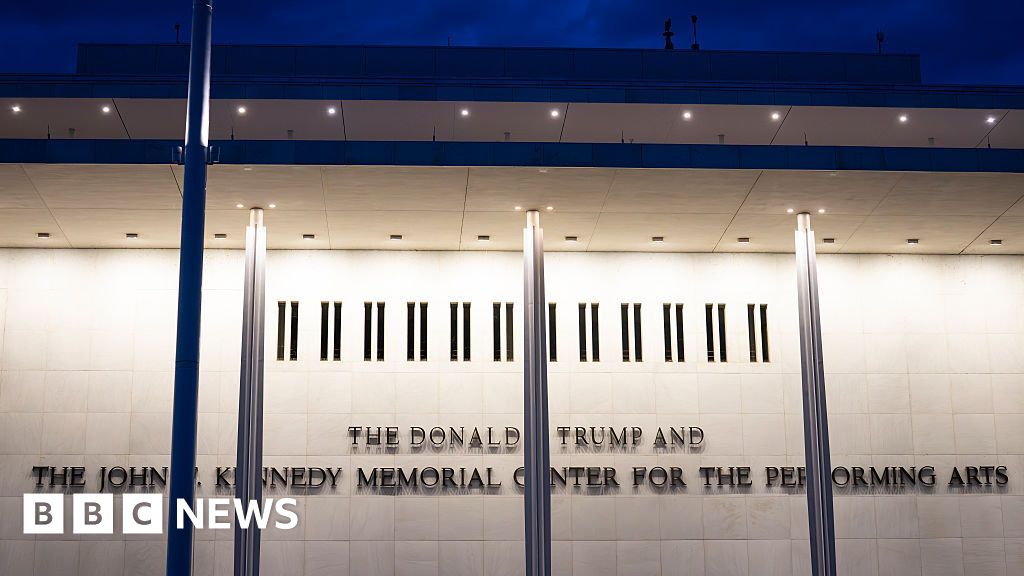
A US judge ordered Donald Trump's name removed from the Kennedy Center title, façade, signage, and official materials within 14 days, ruling that only Congress can authorize a name change. The court also blocked the center's temporary closure tied to renovations, while the venue said it will appeal both rulings. The decision is a governance and legal setback for the center and Trump's rebranding effort, but is unlikely to have broad market impact.
This is less a media headline than a governance-control case: the court has effectively reset the center’s brand ownership back to statute, which should tighten the board’s discretion and raise the cost of politically motivated asset re-labeling across similarly chartered cultural institutions. The immediate market read is that the venue’s attempt to monetize political branding just got de-risked from a legal standpoint, but the bigger second-order effect is reputational: artists, donors, and commercial partners now have a cleaner signal that the institution is not fully captured, which may stabilize booking confidence over the next several months.
The closure injunction matters more economically than the name dispute because it preserves operating continuity during a period when booking and fundraising are already fragile. If renovation timing slips, the center avoids a near-term revenue hole and the ecosystem of event services, production vendors, and hospitality capture around the venue keeps flowing; if the appeal wins on closure only, expect a multi-quarter overhang on ticket sales and sponsor commitments due to uncertainty. The legal path suggests a staggered catalyst profile: name removal is days, appeal and renovation timing are months, and any broader governance remedy is years.
The contrarian angle is that the market may be underestimating how much this case weakens the administration’s ability to convert symbolic control into real asset economics. The reputational damage from the attempted renaming likely already happened, and an appeal probably cannot fully restore trust even if it reverses the injunction. That creates a classic asymmetry: legal headlines can move sentiment quickly, but the demand recovery in cultural venues is slower and more path-dependent than the litigation cycle.
AI-powered research, real-time alerts, and portfolio analytics for institutional investors.
Request DemoOverall Sentiment
neutral
Sentiment Score
-0.05
