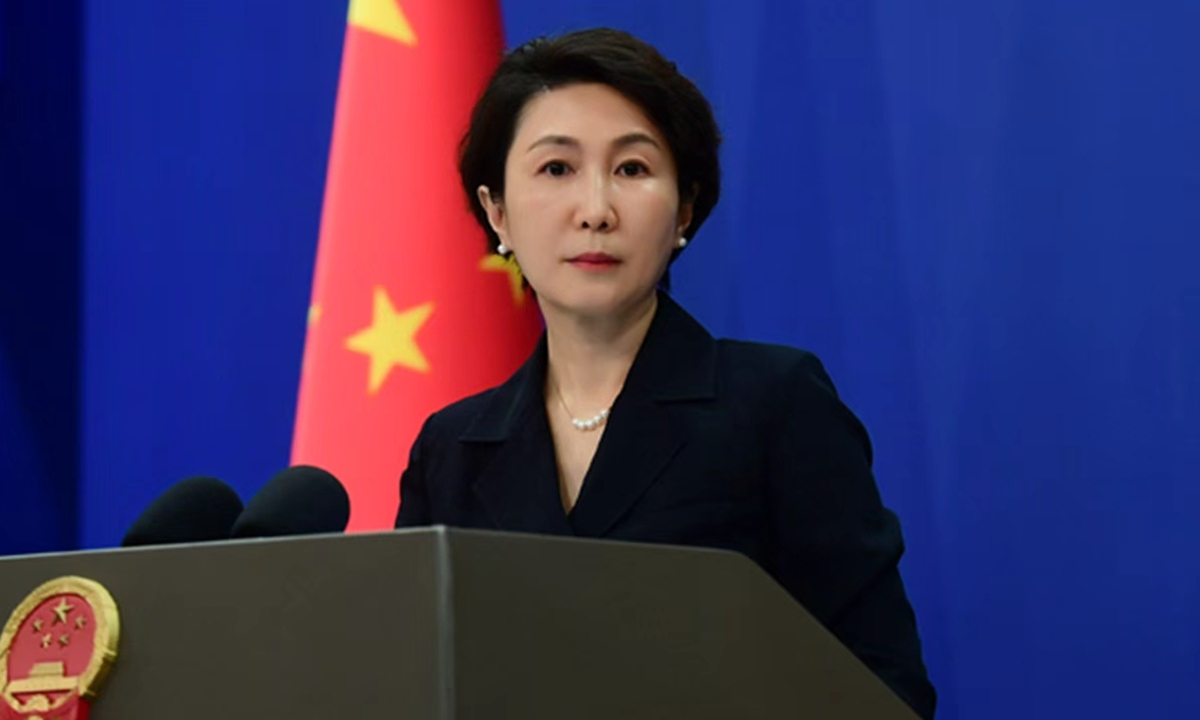
Chinese foreign ministry spokesperson Mao Ning said Beijing is closely monitoring developments in Iran, urging political and diplomatic resolution and opposing the use or threat of force. Mao affirmed China’s support for the Iranian government and people in safeguarding national interests, called for restraint and dialogue among parties, and said China will continue to act as a responsible major power — a posture that signals diplomatic preference over military escalation and may modestly reduce near-term geopolitical tail‑risk.
Market structure: A headline-driven Iran shock favors producers and insurers (integrated oil majors XOM/CVX, oil services SLB) and defense primes (LMT/NOC) while pressuring regional EM assets, airlines, and tanker operators. A meaningful strike or Strait of Hormuz disruption could remove ~0.5–2.0 mbpd temporarily, pushing Brent materially higher (risk scenario +8–20%); absent disruption, China’s diplomatic posture and continued covert purchases may cap spikes. Cross-asset flows will favor Treasuries and gold (yields down 10–25bps, gold +3–8%) and lift USD safe-haven bids; oil and FX vol should widen, lifting option premia.
Risk assessment: Tail outcomes include a US–Iran kinetic escalation or China/Russia material support that fragments sanctions — low probability (<15%) but high impact (oil +20%+, EM spreads +200–400bps). Immediate (days): headline volatility and flight-to-quality; short-term (weeks–months): sanctions, insurance, shipping reroutes and EM capital outflows; long-term (quarters+): defense spending lift and supply-chain realignment. Hidden dependencies: Chinese oil buying and informal trade routes could mute price moves; insurance/P&I repricing and bunker costs are second-order drivers.
Trade implications: Favor short-dated oil call spreads (1–2 month WTI/Brent) sized 1–2% risk capital, long GLD/GDX 2–3% as a macro hedge, and add 1–2% positions in LMT/NOC for 3–12 month upside. Hedge EM exposure by trimming EEM/EM local bond holdings by 2–3% and buying 3-month EMB put protection; use VIX or short-dated calls if headline volatility spikes. Entry/exit: act on confirmed escalation (Brent move >+$5 or VIX +20%), trim on de-escalation signs or if targets hit.
Contrarian angles: The market may overprice a sustained oil shock while underpricing defense and gold miners — China’s measured statement suggests escalation odds are capped, creating asymmetric short-dated option trades (limited-premium longs). Historical parallels (2019 tanker incidents: oil +5–10%; 1990 Gulf War: +40%) show wide outcome dispersion — avoid large, long-dated directional oil exposure without triggers. Unintended consequence: if China increases Iran purchases, EM oil exporters’ currencies may rally; set objective triggers (Brent >$95 or 30% rise in dark-tanker AIS activity) to reverse positions.
AI-powered research, real-time alerts, and portfolio analytics for institutional investors.
Request TrialOverall Sentiment
neutral
Sentiment Score
-0.05
