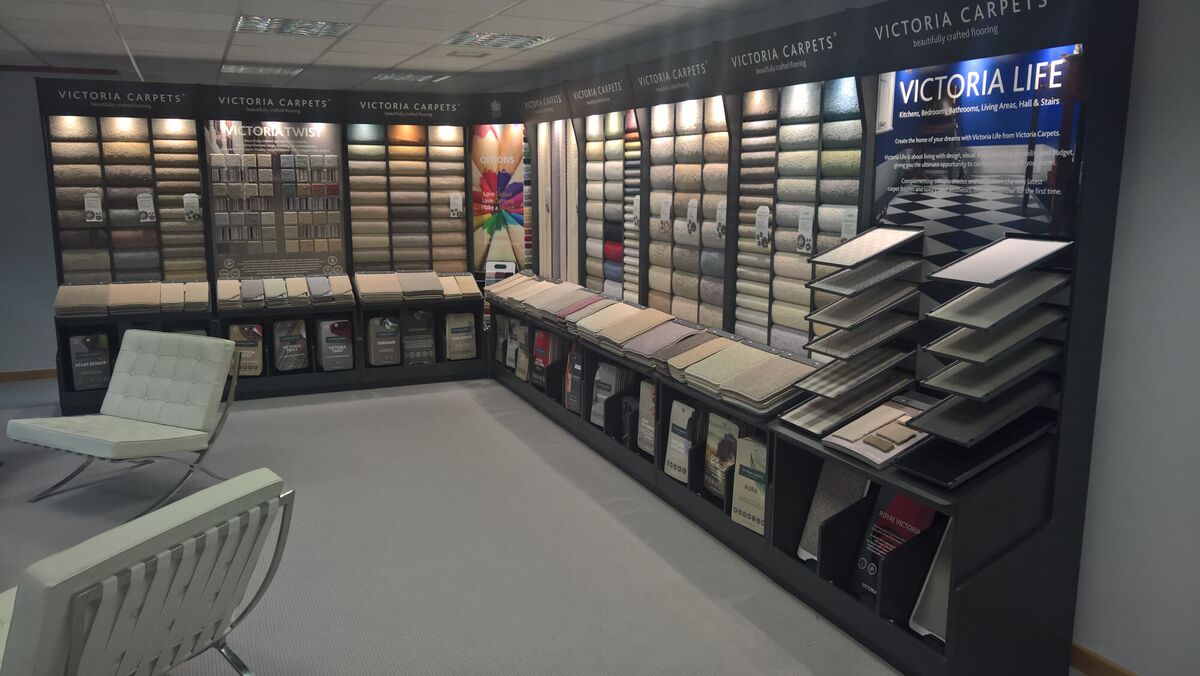
UK carpet manufacturer Victoria Plc is proposing a 2028 bond exchange to reduce its debt by up to €75 million ($88.2 million), offering bondholders €525 in new notes for every €1,000 tendered, with an additional €25 for early consent. This debt reduction initiative is part of an ongoing overhaul employing what the company describes as aggressive US-style creditor tactics.
UK carpet manufacturer Victoria Plc has announced a significant debt restructuring plan aimed at reducing its obligations by up to €75 million through a distressed debt exchange for its 2028 bonds. The proposed terms offer bondholders €525 in new notes for every €1,000 of principal, a substantial haircut of 47.5%, with an additional €25 incentive for early participation. This action, described as employing "aggressive US-style creditor tactics," is part of a broader corporate overhaul and signals considerable financial pressure on the company. The exchange offer at such a deep discount to par value is indicative of a company seeking to proactively manage its capital structure, likely due to underlying concerns about its ability to service its current debt load. The mildly negative sentiment reflects the coercive nature of the transaction and the implicit admission of financial weakness, even as the move is intended to improve long-term stability.
AI-powered research, real-time alerts, and portfolio analytics for institutional investors.
Request DemoOverall Sentiment
mildly negative
Sentiment Score
-0.20
