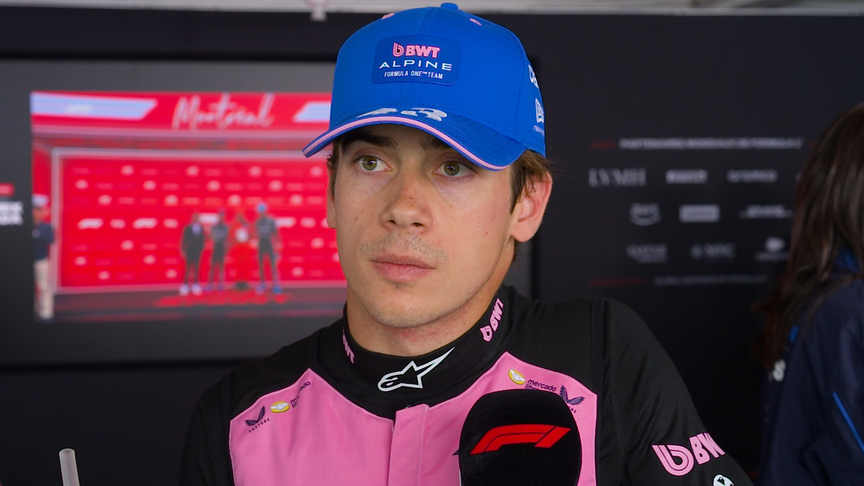
Kimi Antonelli finished third in the Canada Sprint after contact with Mercedes teammate George Russell while battling for the lead, and said he would "need to review" the incident. Antonelli also made a mistake at Turn 8 and a final-lap attempt on Lando Norris failed, but the result is primarily a routine race recap with no material financial-market implications.
This is not a headline about a single race result; it is a signal that Mercedes has moved from a one-car execution problem to a two-car governance problem. When both cars are genuinely fighting for wins, the marginal performance gain from intra-team competition gets offset by higher variance: more tire degradation, more position swaps, and a greater chance one driver becomes the “release valve” for rivals behind. That matters because the team’s competitive ceiling is now constrained less by outright pace and more by race-control discipline under pressure.
The second-order effect is on title math and internal hierarchy. Antonelli’s early-season momentum has created a fragile balance: if the team leans too hard into equal-status racing, they risk converting a points-accumulating asset into a weekly entropy source. If they impose clearer priority rules, they reduce near-term podium volatility but may cap upside in mixed-condition races where track position is decisive. Either way, the takeaway for competitors is that Mercedes is now vulnerable to opportunistic undercuts and strategic splits whenever its drivers are running 1-2.
From a market angle, this is a reminder that F1 narratives can move sponsorship and media engagement more than standings alone. Team conflict tends to boost short-term attention, but sustained intra-team friction usually suppresses perceived brand control and makes sponsor activation less clean. The upside for the broader ecosystem is limited and very event-driven; the only durable beneficiary is rival teams that can exploit Mercedes' added execution noise on Sundays.
The contrarian view is that the incident is probably overinterpreted: wheel-to-wheel contact between teammates in a sprint is not evidence of structural dysfunction. If Mercedes converts this into a clearer racing framework and a faster qualifying setup for Sunday, the incident could actually improve performance by forcing sharper role definition. The real risk is not the contact itself, but a multi-race pattern of repeated intra-team losses that starts to affect strategic calls and morale over the next 2-6 weeks.
AI-powered research, real-time alerts, and portfolio analytics for institutional investors.
Request DemoOverall Sentiment
neutral
Sentiment Score
0.00
