




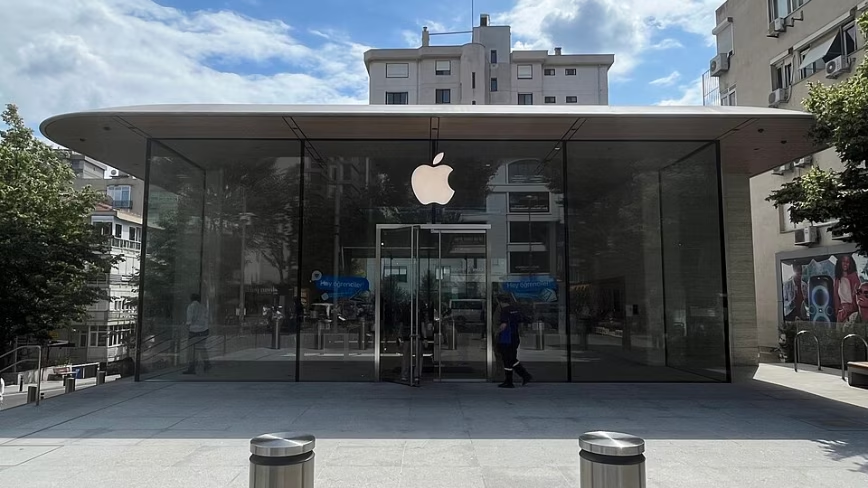
Apple is reportedly targeting a late-2027 launch for smart glasses, a product it believes could open a share of the $200B eyewear market and extend its iPhone/AI ecosystem. The article argues Apple could pressure mass-market incumbents such as EssilorLuxottica, Safilo, and Warby Parker, while Meta already has over 7 million Ray-Ban smart glasses sold in 2025 and about 82% market share. The news is strategically important for Apple and the eyewear/smart-glasses space, but the delayed timeline limits immediate market impact.
The market is likely underestimating how asymmetric this setup is for the incumbent mid-market eyewear stack. Apple does not need to win unit share broadly to impair earnings: if it captures even a small slice of the $200B category in the $200-$500 price band, the pressure lands first on brand licensors and optical distributors that depend on repeat fashion cycles, not luxury maisons. That makes the most exposed names the ones with the least pricing power and the highest dependence on wholesale traffic, where a 2-3 year product cycle shock can translate into multiple years of margin compression.
The more interesting second-order effect is distribution, not device economics. Apple’s entry should accelerate consumer education around smart glasses, which can expand the total category while simultaneously concentrating mindshare in two ecosystems: Apple for iPhone-native users and Meta for everyone else. That is structurally bad for smaller public names like Warby Parker because they risk being squeezed between premium hardware brands and platform companies with better AI/software leverage, while also facing the possibility that eyewear retail partners prioritize higher-traffic, higher-conversion products from the platform incumbents.
Timing is the key risk. This is a late-2027 story, so the immediate move is less about Apple revenue and more about multiple compression in the names most vulnerable to a future category reset. The contrarian view is that the selloff in the exposed retailers/manufacturers may be too linear if investors assume a direct repeat of the Apple Watch playbook; glasses are more fashion-forward, more fragmented, and have stronger optical/medical functionality, which could slow substitution. Still, the setup favors Meta near term because every Apple delay gives it more installed base, more retailer leverage, and more data on consumer preferences before Apple even ships.
AI-powered research, real-time alerts, and portfolio analytics for institutional investors.
Request TrialOverall Sentiment
mildly positive
Sentiment Score
0.15
Ticker Sentiment
