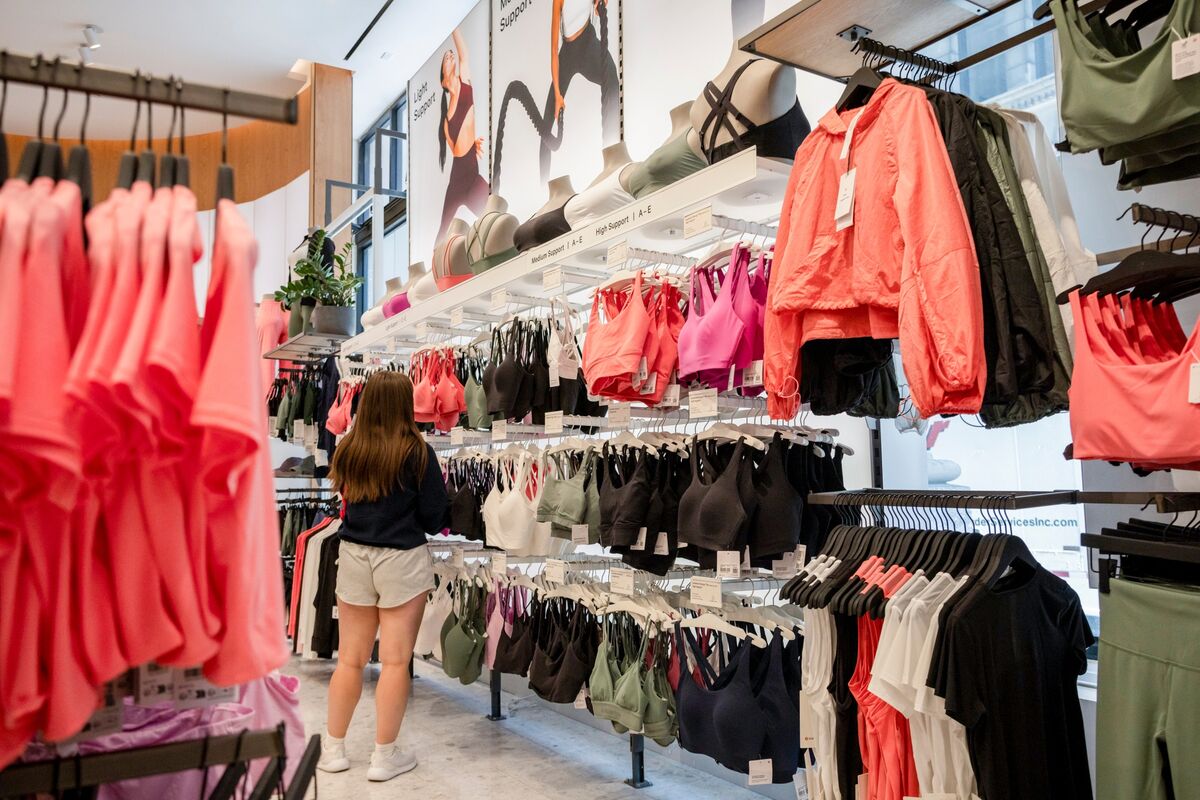
Texas Attorney General Ken Paxton’s office is investigating Lululemon’s apparel for alleged PFAS, or "forever chemicals," amid concerns the materials may conflict with the brand’s health-conscious marketing. The probe raises regulatory and reputational risk for the company, but the article does not cite fines, charges, or quantified financial impact. The immediate market effect is likely limited unless the investigation broadens or results in enforcement action.
This is less about near-term financial liability and more about brand integrity risk compounding into demand elasticity. LULU trades on premium trust, and any whiff of “green/clean” marketing mismatch can widen the discount rate customers apply to the brand, especially among higher-income women who are also the most informed on wellness claims. The first-order hit is probably small, but the second-order effect is that it invites copycat scrutiny across the entire premium athleisure shelf, raising compliance and testing costs for the sector. The most important timing issue is that regulatory probes usually move slower than social media. That means the stock can initially shrug off the headline, but the risk is a slow-burn erosion in conversion rates over 1-3 quarters if the story stays alive through influencer channels and consumer advocacy groups. If discovery turns up anything material, the market will likely compress LULU’s premium multiple before earnings estimates fully fall, because the damage would be to pricing power rather than unit volume alone. The contrarian angle is that this could ultimately be a procurement and disclosure event more than a product crisis. If LULU can quickly evidence stricter supplier controls and make a clean-label commitment, the issue may wash out with limited P&L impact. But the asymmetry is still negative: when a brand is valued on trust, even a benign outcome often leaves behind a permanent higher skepticism tax. From a competitive standpoint, this is an opening for brands positioned on technical performance rather than lifestyle virtue signaling, and for private-label athletic wear if consumers become more price-sensitive. The real loser may be LULU’s margin stack: any need to rework materials, add testing, or alter sourcing will hit gross margin before top-line shows stress. That makes the next 1-2 quarters the key window for sentiment damage to translate into estimate cuts.
AI-powered research, real-time alerts, and portfolio analytics for institutional investors.
Request DemoOverall Sentiment
mildly negative
Sentiment Score
-0.30
Ticker Sentiment
