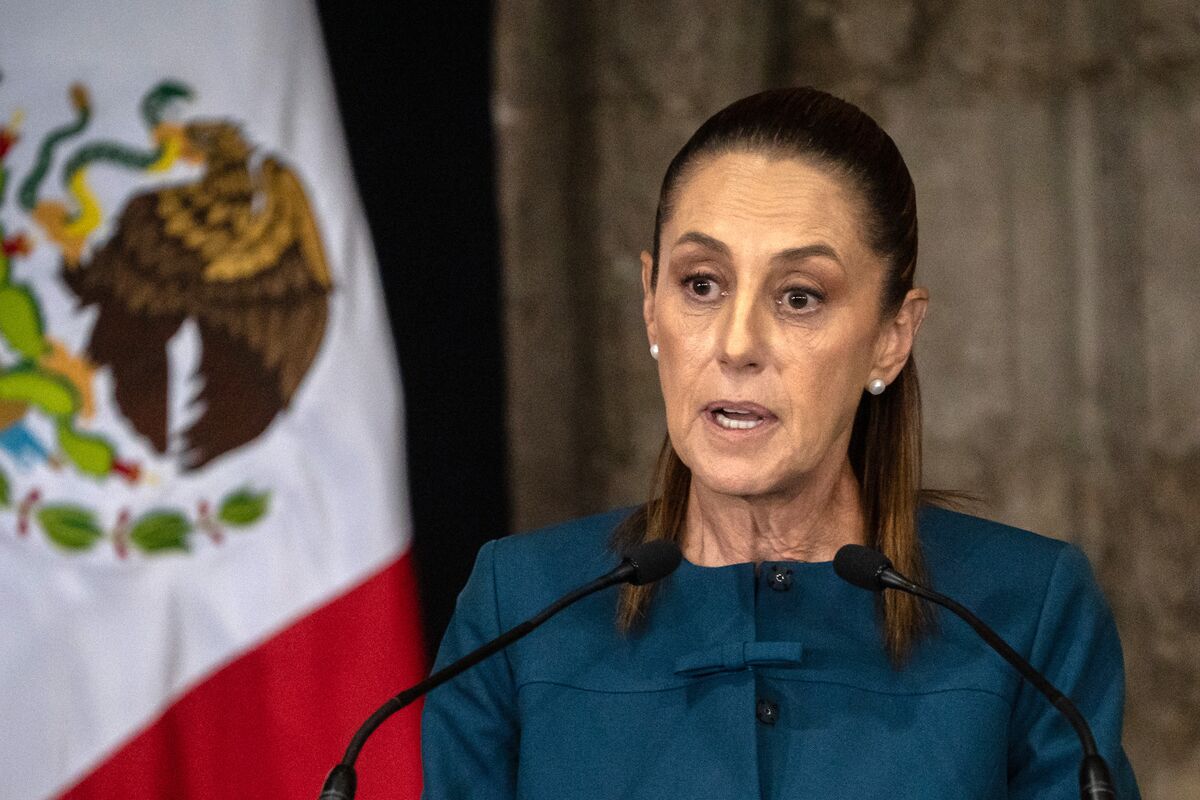
China has issued a stern warning to Mexico against imposing new tariffs, cautioning that such a move, even if WTO-compliant, would be perceived as appeasing US unilateralism and could provoke retaliation. The Ministry of Commerce urged Mexico to 'think twice' before acting, signaling potential escalation in global trade tensions and implications for supply chain strategies.
China's Ministry of Commerce has issued a direct and stern warning to Mexico, cautioning it to “think twice” before implementing new tariffs. Beijing explicitly frames any such move, even if compliant with WTO rules, as an act of “appeasement” to US “unilateral bullying,” signaling a significant escalation in geopolitical rhetoric. This statement serves as an unambiguous threat of potential retaliation, creating a precarious diplomatic and economic position for Mexico between its two key trading partners. The development injects a new layer of uncertainty into global trade policy and specifically threatens the stability of North American supply chains. The moderately negative sentiment reflects the risk of a new front opening in global trade disputes, which could disrupt the ongoing trend of nearshoring to Mexico and increase operational risks for companies reliant on this strategy.
AI-powered research, real-time alerts, and portfolio analytics for institutional investors.
Request DemoOverall Sentiment
moderately negative
Sentiment Score
-0.50
