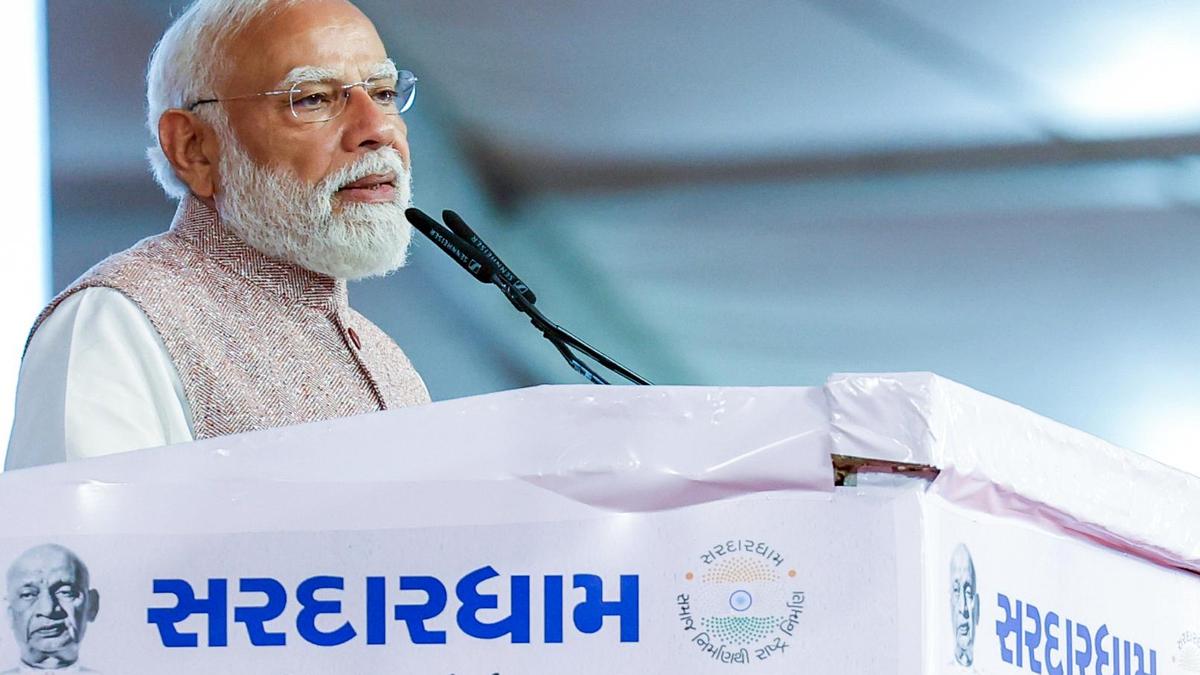
PM Modi reiterated austerity measures in response to the West Asia crisis, urging lower fuel consumption, greater use of public transport and EVs, deferred gold purchases, reduced foreign travel, and work from home where possible. The remarks underscore pressure on India’s crude oil and LPG import dependence and the potential for higher foreign-exchange savings if households and businesses cut discretionary spending. The message is broadly defensive and risk-off, with implications for energy demand, gold import flows, and consumer travel behavior.
The immediate market read is less about a direct policy shock than about signaling to households that the government wants discretionary demand suppressed while imported-input pressure is elevated. That is mildly negative for consumer durables, travel, and premium retail in the near term, but the bigger second-order effect is on the composition of demand: imported consumption gets implicitly stigmatized, which can slow categories with foreign brand content even if headline spending holds up.
For energy, the call to conserve fuel and use public transport is directionally supportive for fuel distributors and refiners at the margin only if it meaningfully alters demand growth; in practice, the bigger price impulse still comes from global crude and logistics risk. The more important trade is on inflation expectations: if crude and freight stay sticky for another 4-8 weeks, pressure builds for a higher-for-longer policy stance, which is bearish for rate-sensitive domestic cyclicals and small caps.
Gold is the clearest behavioural signal. A public plea to delay purchases can temporarily depress retail demand, but that often just defers rather than destroys buying in India; a softer impulse could show up first in jewelry inventories and import bills rather than spot prices. If the West Asia shock persists, households may also substitute toward financial savings and listed gold proxies, making the local bullion complex more interesting than outright bullion importers.
The contrarian view is that this is more of a sentiment-management campaign than a durable consumption shift. Historically, these appeals have limited direct elasticity unless accompanied by sustained price pain, so the tradeable effect may fade in days while the macro narrative lasts months.
AI-powered research, real-time alerts, and portfolio analytics for institutional investors.
Request DemoOverall Sentiment
mildly negative
Sentiment Score
-0.15
