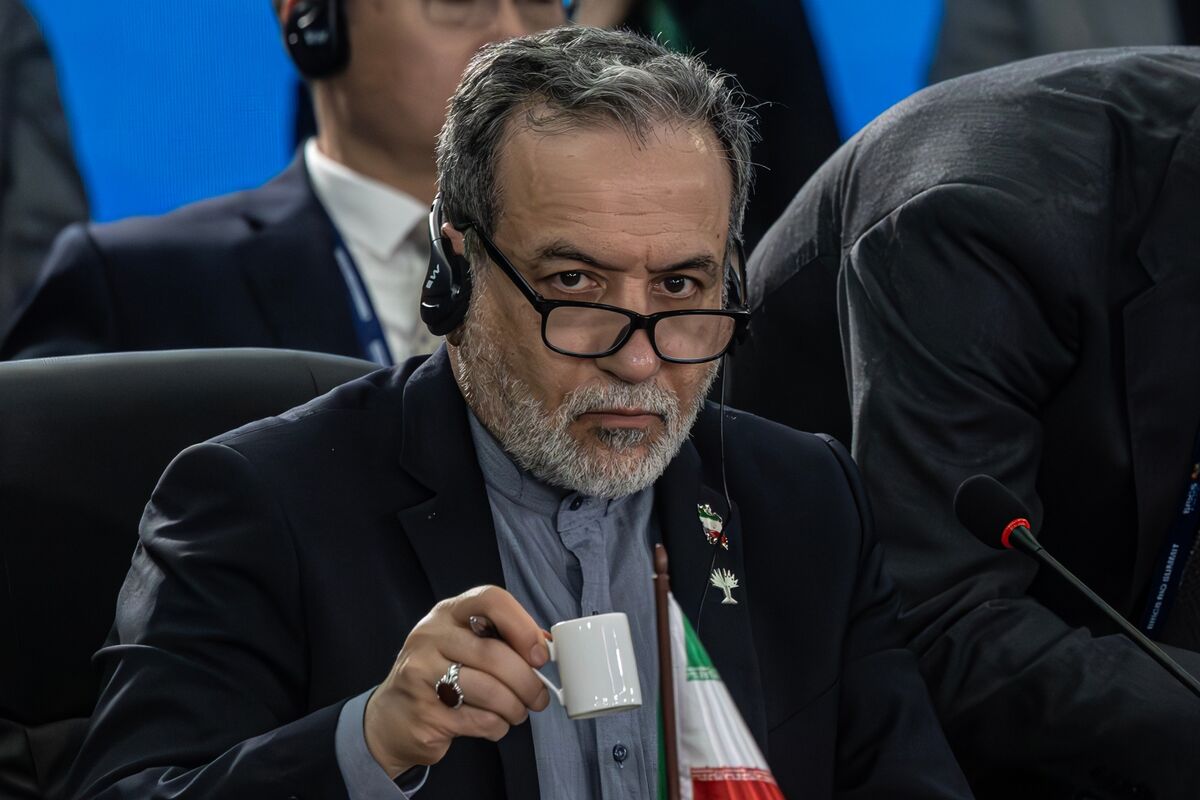
Iran said it is prepared to allow Japanese-related vessels to transit the Strait of Hormuz after consultations, Iranian FM Abbas Araghchi told Kyodo. Japan — heavily reliant on Middle East oil and having released crude from reserves this month due to the conflict — could see reduced near-term supply disruption risk if agreements materialize, though the outcome is contingent on further talks.
A newly signaled bilateral shipping corridor should quickly compress the war-risk and rerouting premia that have been inflating tanker freight and cargo insurance. Expect spot VLCC/time-charter equivalents to retrace 20–40% within 2–8 weeks as perceived transit risk drops and owners return repositioned tonnage to headline lanes; insurance brokers typically lag by 2–12 weeks, so premium revenue for P&I/reinsurers may not adjust immediately but will reprice lower over a quarter.
Primary beneficiaries are refiners and trading houses that buy crude FOB in Asia: a 20–30% decline in freight + insurance can translate into a 5–15% improvement in delivered margin for coastal refiners (depending on crude slate), with most of the benefit captured by buyers/logistics-integrated trading houses rather than spot tanker owners. Second-order effects include increased competitive pressure on alternative crude sources (US/West Africa) to match landed economics, and a potential reduction in compulsory SPR taps — that channel is elastic on a 4–12 week horizon.
Losers are equity proxies for spot tanker exposure and some marine-insurance franchises: a sustained freight normalization could remove the recent tail-premium that justified valuation uplifts in those names, translating into 25–50% downside in extreme cases if rates revert to pre-shock averages. Key catalysts to watch are (1) formal bilateral operational protocols and AIS/tracking rules (days–weeks), (2) insurance market circulars and P&I club rate-setting (2–12 weeks), and (3) any unilateral third-party interdiction or high-profile incident which would reverse sentiment in days.
The consensus frames this as a binary geopolitical de-escalation; what’s underappreciated is that the corridor is conditional and tradeable — partial normalization benefits buyers and refiners faster than it hurts tanker equity cash flow, because fleet supply is inelastic short-term while cargo substitution is immediate. Position sizing should be asymmetric: smaller, quicker trades on tanker/insurer downside and larger, conviction-weighted exposure to refiners/trading houses that capture landed-cost improvements over 3–12 months.
AI-powered research, real-time alerts, and portfolio analytics for institutional investors.
Request DemoOverall Sentiment
neutral
Sentiment Score
0.08
