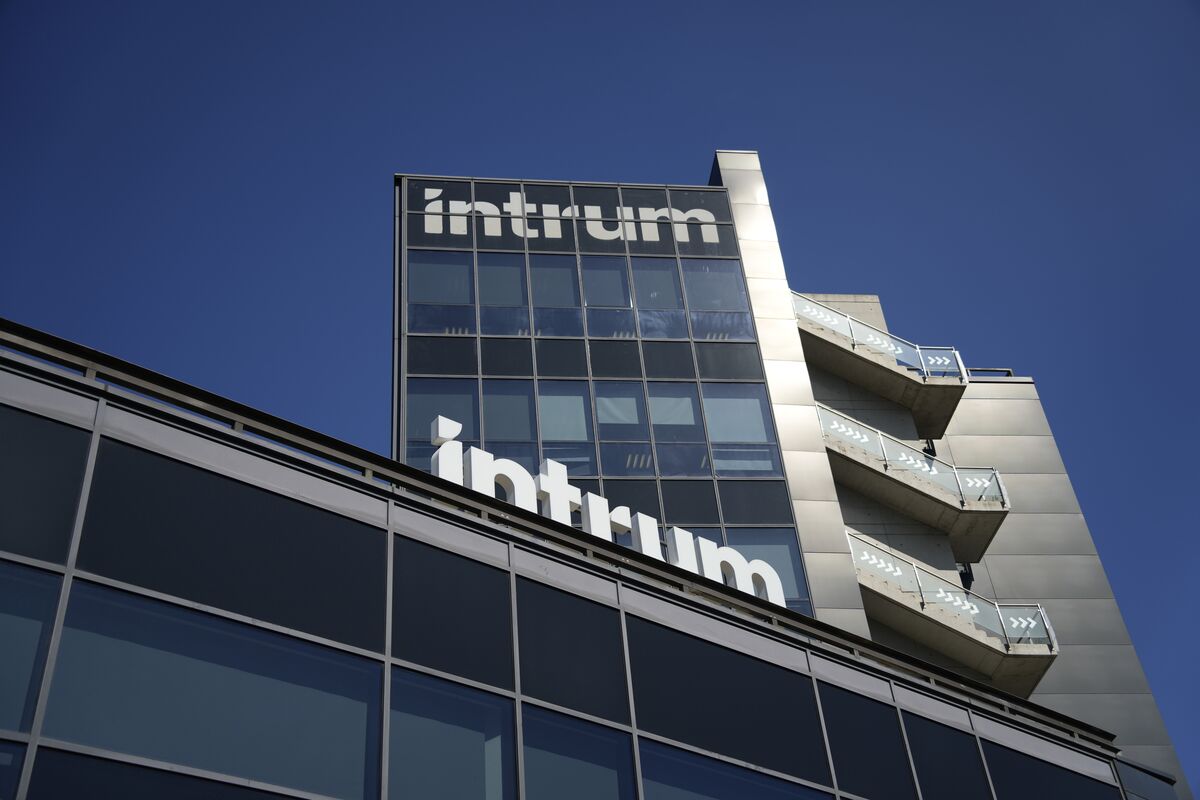
Intrum AB is returning to Europe’s junk bond market with a proposed €525M ($600M) senior secured bond issuance maturing in 2031. The proceeds will be used to redeem its 2027 euro and Swedish kronor senior secured notes, following its earlier restructuring tied to a sharp rise in financing costs. The deal signals improved funding access, though it is primarily company-specific.
This is less a bullish read on European junk than a proof-of-life trade for a single stressed balance sheet. The key mechanism is liability extension after equity repair: that combination lowers near-term default risk, but it usually leaves common equity with limited upside because a bigger share of enterprise value is now trapped behind higher-priority claims. In other words, the bond market is underwriting survival, not necessarily re-valuation.
For competitors and the broader funding ecosystem, the second-order effect is a modest easing of the refinancing clock for other levered European service names, especially those with tangible collateral and willing equity sponsors. That said, this does little for issuers that lack an equity backstop; for them, the market is still effectively closed. Banks involved in distribution get optics and fee flow, but the P&L impact for large lenders is incremental rather than material.
The contrarian risk is that investors over-interpret one rescue refinance as evidence that the European high-yield window has reopened. If the new paper clears only after meaningful concession, the signal is actually that capital is available selectively and only at punitive economics. The near-term catalyst is pricing/book strength over the next 1-2 weeks; the 1-3 month test is whether secondary spreads in other stressed credits tighten or whether this remains an isolated liability-management event.
AI-powered research, real-time alerts, and portfolio analytics for institutional investors.
Overall Sentiment
mildly positive
Sentiment Score
0.25
Ticker Sentiment
