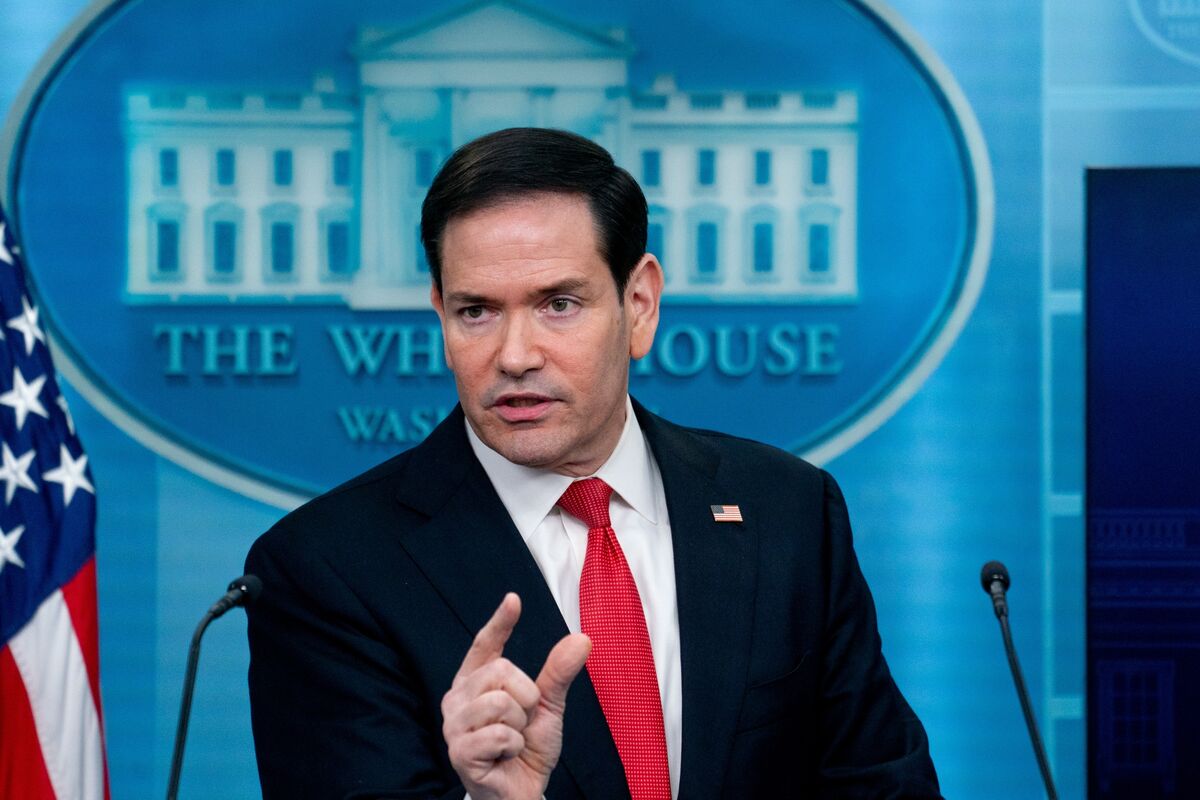
Secretary of State Marco Rubio said his May 6-8 trip to Rome and the Vatican was planned before President Trump’s dispute with Pope Leo XIV and is part of routine engagement with the Holy See. The visit is expected to include meetings with Italian and Vatican leaders, reducing speculation that it was a damage-control mission. The article is largely political and diplomatic, with minimal direct market impact.
This is mostly a signal about damage control discipline rather than a policy pivot. The market should treat the Vatican stop as a low-beta attempt to cap diplomatic noise, which matters because the real risk is not the headline itself but whether allies start pricing in a wider deterioration in U.S.-Europe coordination on sanctions, Ukraine funding, and migration policy. In the near term, that argues for minimal direct asset reaction, but it slightly reduces the probability of an acute transatlantic rift becoming a market event over the next 1-2 weeks.
The second-order effect is on European political risk premia, not on the Holy See. Any perception that Washington is managing optics poorly with Rome can reinforce the idea that Trump-era foreign policy will be more transactional toward allies, which can widen volatility in European domestic politics and defense planning. That would be mildly supportive for European defense and infrastructure localization themes if the narrative hardens over months, because governments hedge by accelerating self-reliance programs.
The contrarian point: the consensus may overestimate the importance of the Vatican angle and underweight how quickly such episodes fade unless they are followed by concrete policy friction. For markets, the key catalyst is not this trip but whether it foreshadows personnel or messaging changes on Europe-facing policy. If no follow-through emerges in the next 2-4 weeks, the episode should be faded as pure noise.
From a trading standpoint, the best expression is not a directional macro bet but a low-cost volatility hedge around Europe-related headlines. The setup favors waiting for a real catalyst before taking exposure, because the expected value of front-running a diplomatic gesture is poor unless it is tied to tariffs, sanctions, or defense spending.
AI-powered research, real-time alerts, and portfolio analytics for institutional investors.
Request DemoOverall Sentiment
neutral
Sentiment Score
0.00
