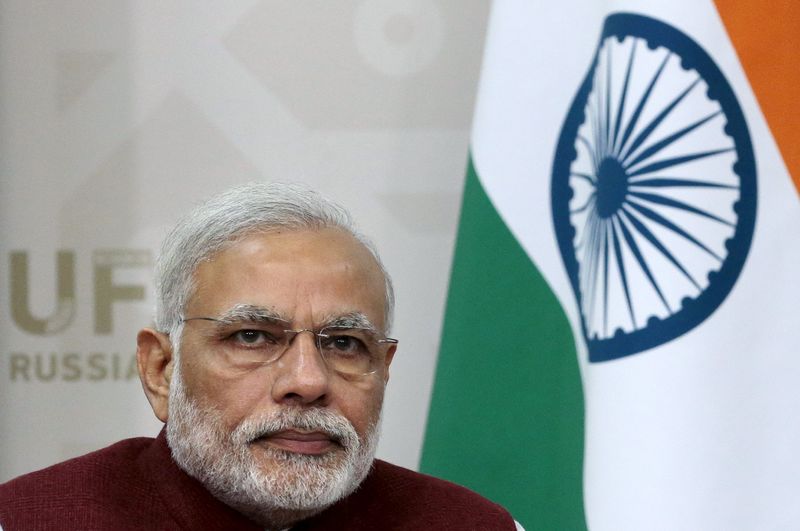
Indian Prime Minister Narendra Modi announced plans to cut Goods and Services Tax (GST) rates by Diwali, aiming to ease consumer and business burdens. These "next-generation" reforms will consolidate the current multi-slab structure and shift common-use items to lower tax brackets, which is intended to stimulate consumption and economic growth, particularly during the festival season. While potentially boosting demand, the move could reduce government GST revenues, with a ministerial panel currently reviewing proposals to balance fiscal discipline with support for economic activity.
The Indian government has signaled a significant fiscal stimulus measure through a planned overhaul of the Goods and Services Tax (GST) system, with reforms slated to be rolled out by the Diwali festival season. According to Prime Minister Narendra Modi, the initiative aims to boost consumption and ease financial burdens by consolidating the current multi-slab structure of 5%, 12%, 18%, and 28%, and moving common-use items into lower tax brackets. This policy is explicitly designed to stimulate economic activity during the country's peak spending period. However, the move presents a critical trade-off: while intended to spur economic growth, the tax cuts could concurrently reduce government GST revenues. A ministerial panel is currently tasked with balancing these competing objectives, suggesting that the final scope of the reforms will be calibrated to manage fiscal discipline against the need for demand support. The announcement carries a moderately positive sentiment and a significant market impact score of 0.65, indicating that markets view this as a potential catalyst, particularly for consumer-centric industries.
AI-powered research, real-time alerts, and portfolio analytics for institutional investors.
Overall Sentiment
moderately positive
Sentiment Score
0.55
