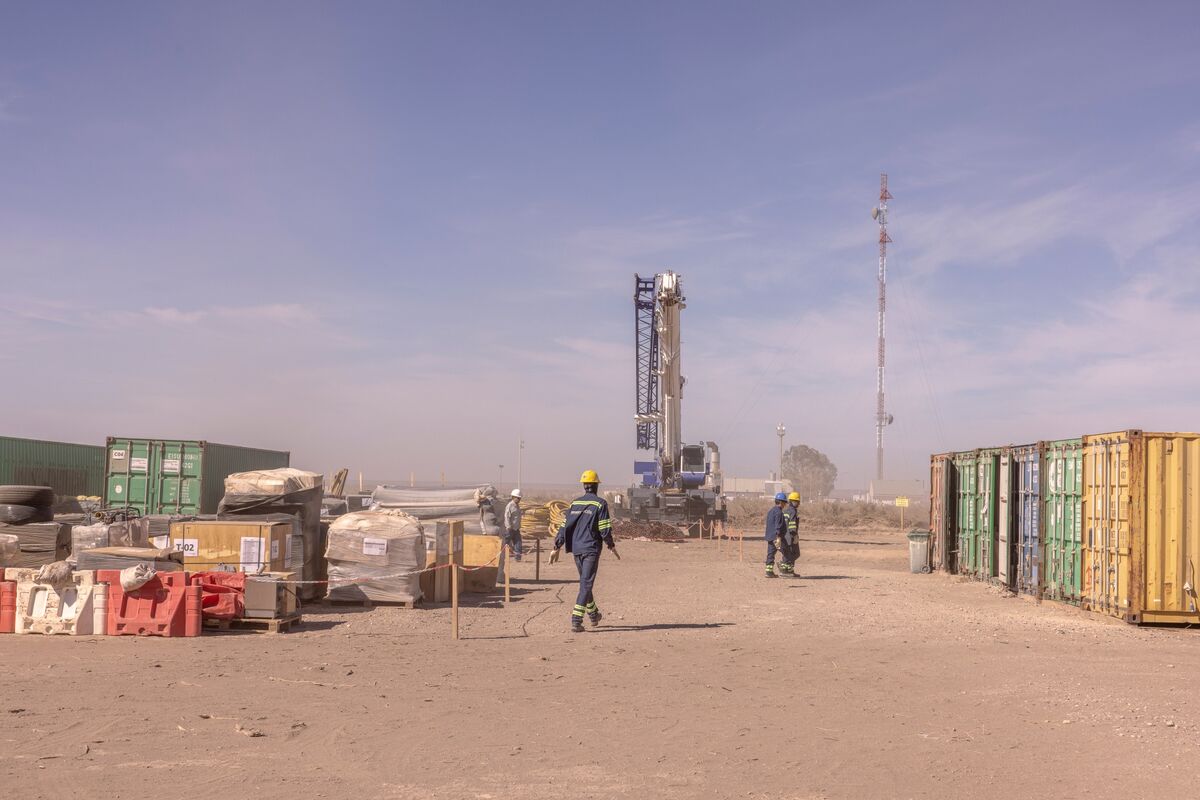
Eni and Adnoc investment arm XRG will each acquire a 32% stake in three upstream blocks in Argentina’s Vaca Muerta basin, with YPF retaining 36%, as part of an integrated LNG development. The deal expands participation in a major LNG export project and supports longer-term gas supply and export capacity in one of the world’s key shale basins. Impact is positive for the companies involved, though the immediate market impact is likely modest.
This is less a near-term cash-flow event for E and more an option on global LNG scarcity. The strategic value is that the consortium is buying embedded optionality on a basin with low-cost gas and long-duration resource life, which can matter disproportionately if Atlantic LNG pricing tightens again over the next 2-5 years. For Eni, the market should care more about reserve replacement and future molecule control than upfront economics, because the upside is levered to a world where Europe still needs flexible non-Russian supply and Asian demand re-accelerates.
The second-order winner may be infrastructure and service providers tied to upstream-to-export buildout, while the likely losers are competing LNG growth projects with weaker balance sheets or higher upstream costs. If this project progresses, it reinforces the trend that capital is migrating toward projects with upstream integration and sovereign backing, which can crowd out higher-cost greenfield LNG in Africa and smaller North American exporters. That dynamic is bullish for long-dated LNG pricing discipline, but it may also compress returns for pure-play developers if financing markets keep rewarding scale and state support.
The biggest risk is timing: these projects tend to re-rate on announcement but only monetize over years, and Argentina adds political, FX, and export-regime risk that can erase headline attractiveness. Consensus may be underestimating execution friction more than geological risk; in emerging markets, the real bottleneck is usually permitting, infrastructure, and contractual stability, not the reservoir. If Argentina’s macro stabilizes and export rules remain predictable, this becomes a meaningful strategic asset; if not, the equity story can remain trapped in a long-duration “story stock” discount.
From a trading perspective, this is a modest positive for E but not a catalyst for aggressive upside on its own, so the cleaner trade is relative rather than outright. The best expression is to own E versus European downstream or high-cost LNG exposure that lacks reserve leverage and project optionality. Near term, any move in the stock is likely to be sentiment-driven over days to weeks, while the fundamental re-rating—if it happens—belongs in the 12-24 month window as project milestones de-risk capex and offtake.
AI-powered research, real-time alerts, and portfolio analytics for institutional investors.
Request DemoOverall Sentiment
mildly positive
Sentiment Score
0.45
Ticker Sentiment
