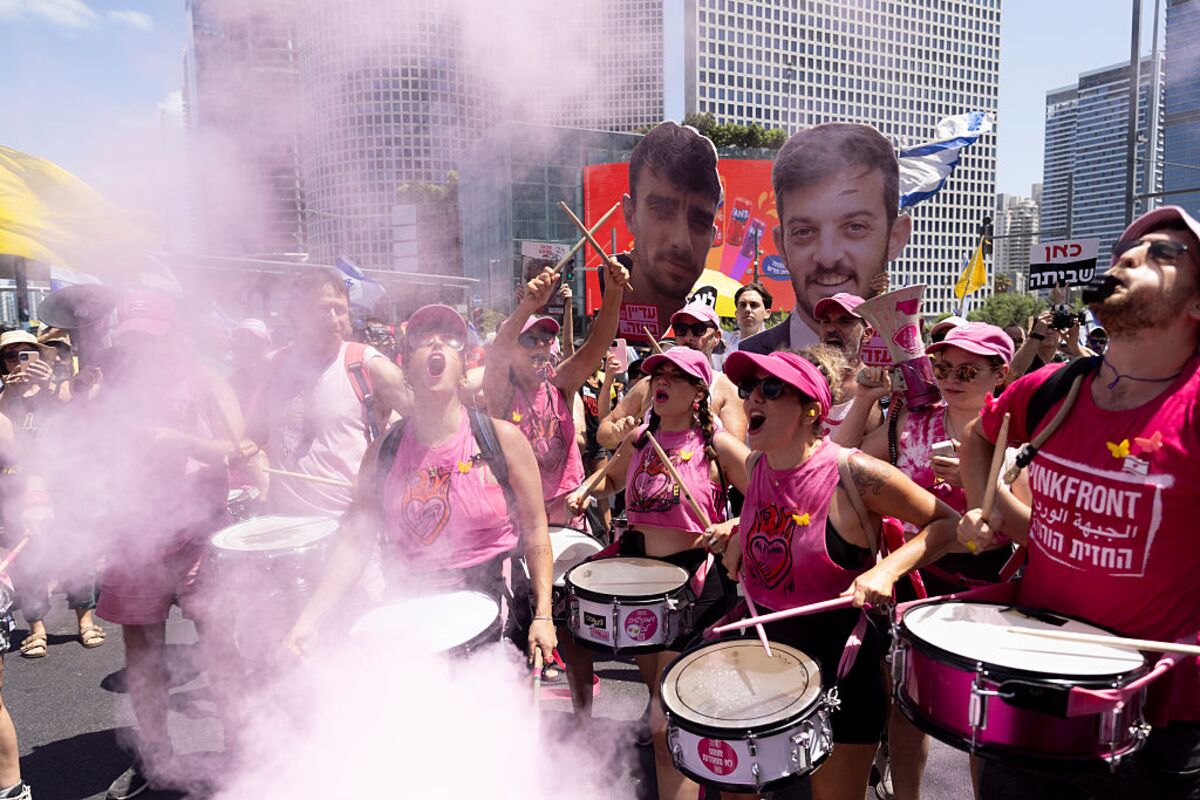
Israeli citizens protested Prime Minister Benjamin Netanyahu's military strategy in Gaza on Sunday, advocating for negotiations to secure hostage releases rather than a full conquest of the territory. Netanyahu dismissed these calls, asserting they would embolden Hamas, leading to police intervention against demonstrators, including 30 arrests and the use of water cannons. This internal dissent underscores growing domestic pressure on the Israeli government regarding its war objectives, potentially influencing the conflict's trajectory and regional stability.
Recent events in Israel highlight growing domestic political friction over the government's military strategy in Gaza. Protests, which saw police make at least 30 arrests and deploy water cannons, indicate significant public opposition to Prime Minister Benjamin Netanyahu's plan for a continued military offensive. The core of the dissent is a push for a negotiated settlement to secure the release of remaining hostages, a path the Prime Minister argues would embolden Hamas. This internal division represents a notable political risk factor for the current administration and could influence the trajectory of the conflict. While the immediate market impact is assessed as low, the situation underscores a potential shift in domestic resolve, which is a critical variable in forecasting the duration, intensity, and ultimate resolution of the regional conflict.
AI-powered research, real-time alerts, and portfolio analytics for institutional investors.
Request DemoOverall Sentiment
neutral
Sentiment Score
0.00
